Carbon monoxide (CO ) is often referred to as the “silent killer,” and for a chillingly good reason. This highly toxic gas is completely invisible, tasteless, and odorless, making it impossible for human senses to detect until dangerous, potentially fatal levels of exposure have already occurred. Produced by the incomplete combustion of fossil fuels—such as natural gas, propane, oil, wood, and coal—carbon monoxide can quickly accumulate in enclosed residential spaces due to malfunctioning appliances, blocked chimneys, or improper ventilation, warns the McKenna & Vane Frederick team. Because the initial symptoms of CO poisoning mimic common illnesses like the flu, victims are often unaware of the true danger until it is too late. The only reliable defense against this invisible threat is the strategic installation of high-quality carbon monoxide detectors throughout your home.
However, simply purchasing a carbon monoxide detector is not enough. The effectiveness of these life-saving devices is entirely dependent on their proper placement. Unlike smoke, which naturally rises and accumulates near the ceiling, carbon monoxide mixes evenly with the air in a room. Therefore, the rules governing where and how to install CO detectors differ significantly from those for standard smoke alarms. Improper placement can lead to delayed warnings, false alarms, or, worst of all, a complete failure to detect a lethal buildup of gas. This comprehensive guide will detail the optimal locations for carbon monoxide detectors in a residential setting, explain the science behind these placement strategies, and highlight common installation mistakes that homeowners must avoid.
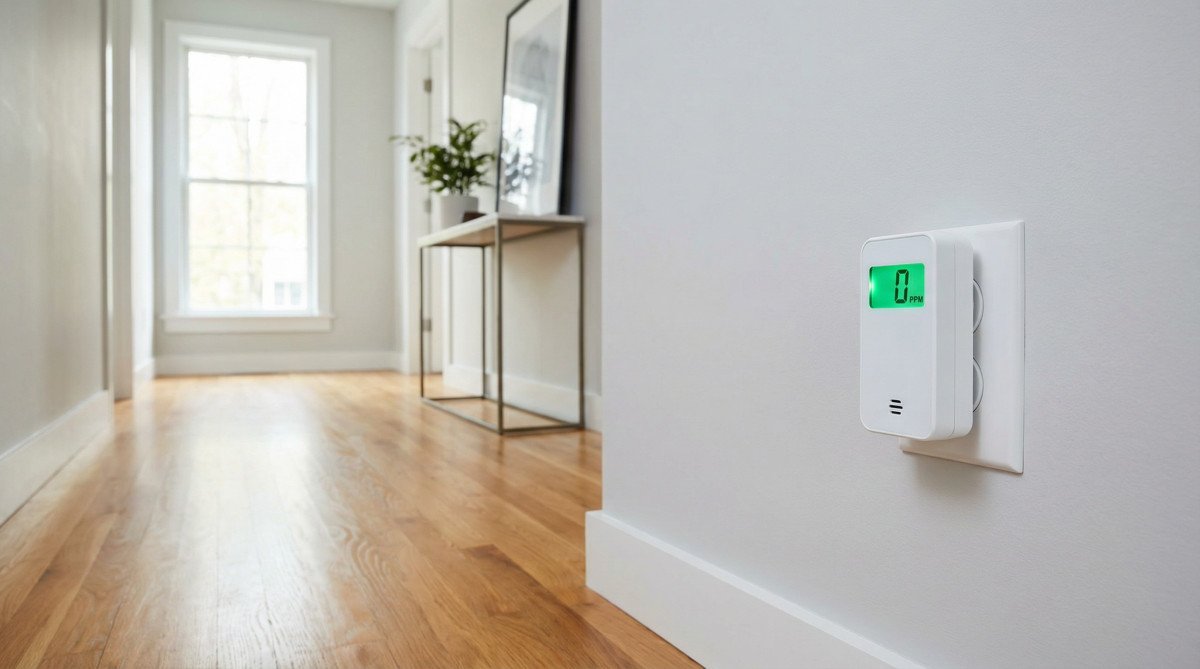
Optimal Locations for Maximum Protection
Answer Capsule: For maximum protection, carbon monoxide detectors should be installed on every level of the home, immediately outside each separate sleeping area, and within the bedrooms themselves if doors are kept closed at night.
The primary objective of a carbon monoxide detector is to alert occupants to danger with enough time to safely evacuate the premises. Because CO poisoning often occurs while people are asleep—when they are most vulnerable and least likely to notice early symptoms like headaches or dizziness—prioritizing sleeping areas is absolutely critical. The National Fire Protection Association (NFPA) and the Consumer Product Safety Commission (CPSC) strongly recommend installing a CO detector in the hallway immediately outside of each separate sleeping area. If a home has multiple bedroom wings or hallways, a detector must be placed in each one. Furthermore, if bedroom doors are routinely kept closed at night, or if a bedroom contains a fuel-burning appliance (such as a gas fireplace), an additional detector should be installed directly inside that specific bedroom to ensure the alarm can be heard clearly.
Beyond the sleeping quarters, comprehensive coverage requires placing at least one carbon monoxide detector on every habitable level of the home, including finished basements and attics. Even if a particular floor does not contain a fuel-burning appliance, CO gas can easily migrate through a home’s HVAC system, stairwells, and natural air currents. Placing a detector on every level ensures that a leak originating in the basement utility room will trigger an alarm before the gas reaches the bedrooms on the upper floors. When installing a detector in a common living area, such as a living room or family room, it should be placed in a central location where the alarm can be heard from adjacent rooms.
Height Considerations: Wall vs. Ceiling
Answer Capsule: Because carbon monoxide mixes evenly with air rather than rising like smoke, CO detectors can be effectively installed at knee height, eye level, or on the ceiling, provided they are not obstructed by furniture or curtains.
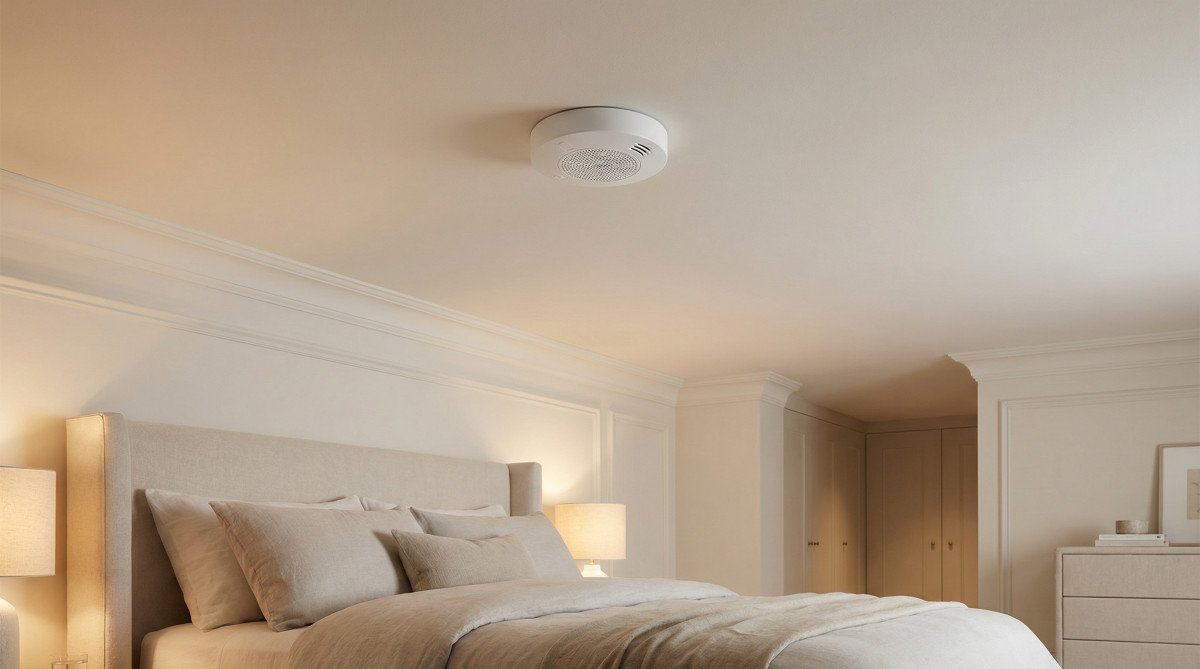
One of the most persistent myths regarding carbon monoxide is that the gas is heavier than air and sinks to the floor, or conversely, that it is lighter than air and immediately rises to the ceiling. In reality, the molecular weight of carbon monoxide is nearly identical to that of standard room air. As a result, CO does not stratify; it diffuses and mixes evenly throughout the atmosphere of an enclosed space. This scientific fact means that the vertical height at which a CO detector is installed is far less critical than its horizontal location relative to sleeping areas and potential gas sources. Detectors can be plugged directly into a standard low wall outlet, mounted at eye level on a wall, or installed on the ceiling alongside a smoke detector.
The optimal installation height often depends on the specific type of detector purchased. Plug-in models with battery backups are naturally restricted to the height of available electrical outlets, which is perfectly acceptable for CO detection. Wall-mounted battery-operated models are often placed at eye level, which makes it easier to read digital displays and perform routine battery checks without requiring a ladder. Combination smoke and CO detectors are typically installed on the ceiling, as smoke does rise rapidly. Regardless of the chosen height, the most important factor is ensuring the detector’s sensors are not obstructed. Detectors should never be placed behind heavy curtains, blocked by large furniture, or hidden inside closets, as restricted airflow will severely impede the device’s ability to sample the room’s atmosphere.
Locations to Strictly Avoid
Answer Capsule: To prevent false alarms and ensure accurate readings, never install CO detectors directly above fuel-burning appliances, in highly humid areas like bathrooms, or in spaces with extreme temperature fluctuations such as garages or unfinished attics.
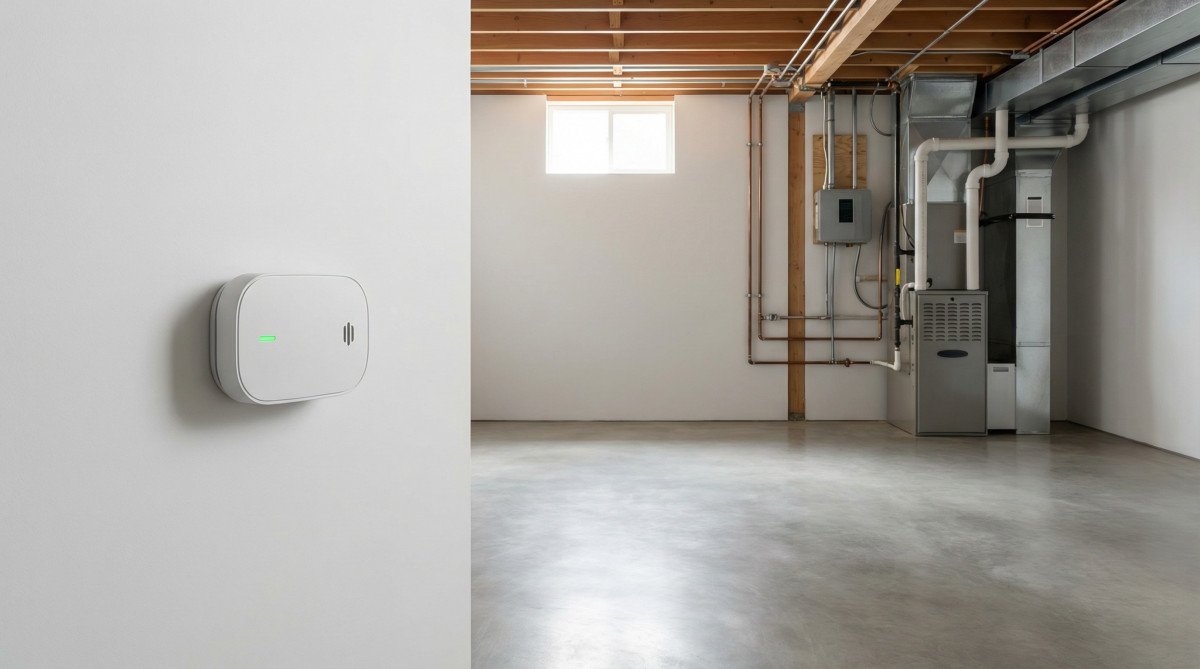
While maximizing coverage is essential, placing carbon monoxide detectors in the wrong locations can be counterproductive, leading to frequent false alarms that may cause homeowners to ignore the device or remove its batteries entirely. The most critical rule is to avoid installing a detector directly above or immediately adjacent to any fuel-burning appliance, such as a gas stove, furnace, or water heater. These appliances often emit a tiny, harmless puff of carbon monoxide upon initial ignition before the draft is fully established. A detector placed too close will constantly trigger false alarms. A minimum distance of 15 to 20 feet from any fuel-burning source is generally recommended to allow these minor, transient emissions to dissipate.
Furthermore, environmental factors can severely impact a detector’s delicate sensors. CO detectors should never be installed in areas with excessively high humidity, such as directly inside full bathrooms with showers, or near dishwashers and laundry machines. High moisture levels can interfere with the chemical or electrochemical sensors, causing false readings or premature device failure. Similarly, extreme temperatures can damage the unit. Avoid placing detectors in unconditioned spaces like garages, unfinished attics, or poorly insulated crawl spaces, where temperatures can drop below freezing or soar during the summer months. Finally, keep detectors away from direct airflow sources, such as ceiling fans, open windows, or HVAC supply vents, as the moving air can blow carbon monoxide away from the sensor, delaying a critical alarm.
Frequently Asked Questions
How often should I replace my carbon monoxide detector?
Unlike standard smoke detectors, the sensors inside a carbon monoxide detector degrade over time and have a strict expiration date. Most modern CO detectors have a lifespan of 5 to 7 years, though some newer models last up to 10 years. You should check the manufacturer’s date printed on the back of the device and replace the entire unit when it expires, regardless of whether it still appears to be functioning.
What should I do if my carbon monoxide alarm sounds?
If your CO alarm sounds, treat it as an immediate life-threatening emergency. Do not attempt to locate the source of the leak or ventilate the house. Immediately evacuate all family members and pets to fresh air outdoors. Once safely outside, call 911 or your local emergency services. Do not re-enter the home until emergency responders have inspected the property, identified the source, and declared it safe.
Can I use a plug-in CO detector if I have toddlers or pets?
While plug-in detectors are effective because CO mixes evenly with air, they can be a hazard if placed in low outlets accessible to curious toddlers or large pets who might unplug or damage them. In homes with small children or active pets, it is generally safer to use wall-mounted battery-operated units placed at eye level or ceiling-mounted combination detectors to keep them out of reach.
Conclusion
Answer Capsule: Proper placement of carbon monoxide detectors—prioritizing sleeping areas, ensuring coverage on every level, and avoiding kitchens and humid spaces—is the foundational strategy for defending your home against this invisible, lethal gas.
Carbon monoxide poses a unique and terrifying threat precisely because it cannot be detected by human senses. A home can be filled with lethal levels of CO without a single visual or olfactory clue, making technological detection the only viable line of defense. However, the efficacy of that defense is intrinsically linked to the strategic placement of the detectors. By understanding that CO mixes evenly with room air, homeowners can focus less on the vertical height of the installation and more on the critical horizontal proximity to sleeping areas and potential sources of combustion.
Ensuring that a detector is stationed outside every bedroom, on every habitable level of the home, and safely distanced from the immediate vicinity of furnaces and stoves creates a comprehensive safety net. It prevents the delayed warnings that occur when detectors are too far away, and it eliminates the false alarms that occur when they are too close to normal appliance ignition. Ultimately, investing in high-quality carbon monoxide detectors and adhering to these strict placement guidelines is one of the most critical, life-saving home improvement tasks any property owner can undertake.