In the world of promotional products and corporate identity, the lanyard is a ubiquitous tool. It carries ID badges, keys, and event credentials, but its most important role is acting as a high-visibility canvas for branding. As companies move away from simple, one-color logos toward complex, multi-colored designs and photographic gradients, the manufacturing process has had to evolve. Among the various printing methods available—such as screen printing or offset printing—dye sublimation has emerged as the undisputed industry standard for high-end, full-color branding.
The Science of the “Dye” Process
To understand “Why” dye sublimation is superior, one must look at the “How” of the chemistry involved. Unlike traditional screen printing, where ink is layered on top of the fabric like a coat of paint, dye sublimation involves a molecular bond. The process uses heat and pressure to turn solid dye into a gas, which then penetrates the fibers of the polyester webbing. As the material cools, the dye reverts to a solid state, becoming a permanent part of the fabric itself.
This molecular integration is the primary reason why sublimated lanyards offer unparalleled durability. Because the “ink” isn’t sitting on the surface, it cannot crack, peel, or fade over time, even with heavy daily use or exposure to the elements. For brands looking for longevity, sourcing from specialists like 4inlanyards ensures that the sublimation process is executed with the precision required for professional-grade results.
Unmatched Color Depth and Complexity
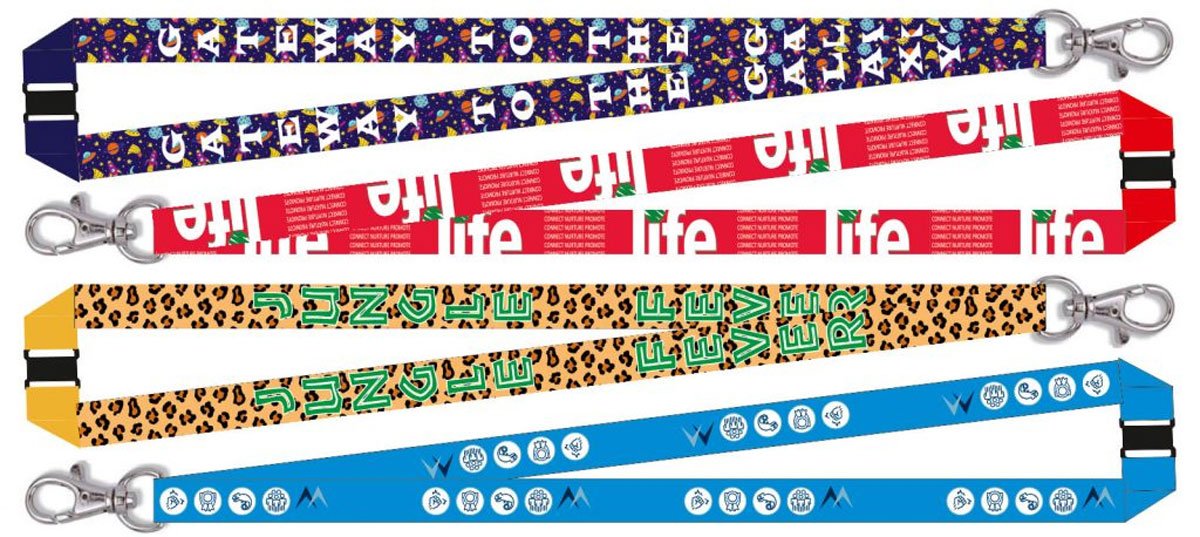
The most significant “Why” for marketing teams is the aesthetic freedom. Screen printing is often limited by the number of colors—each additional color requires a new screen, which increases costs and limits the design to flat, solid blocks of color. Dye sublimation, however, works much like a digital photo printer.
- Unlimited Color Palettes: Whether your logo has three colors or thirty, the cost remains the same. This allows for complex brand guidelines to be followed perfectly.
- Photographic Detail: If your branding involves gradients, shadows, or even actual photographic elements, sublimation is the only method that can reproduce these details with clarity on a narrow fabric strip.
- Edge-to-Edge Printing: Known in the industry as “full bleed,” sublimation allows the design to cover every millimeter of the lanyard. You aren’t restricted to a small print area in the center of the strap; your brand’s patterns and colors can wrap around the entire neckpiece.
The Texture of Quality: The “Feel” Factor
Beyond the visual impact, there is a tactile “Why” that affects user experience. Screen-printed lanyards often have a “raised” or “rubbery” texture where the ink sits. On a 15mm or 20mm strap resting against the back of a neck for eight hours, this texture can become abrasive or irritating.
Sublimated lanyards, because the dye is inside the fibers, maintain a perfectly smooth, “silk-like” finish. This soft-touch texture makes them the preferred choice for multi-day conferences, hospital staff, and corporate offices where employee comfort is a priority. When a lanyard is comfortable, it is worn correctly; when it is itchy or stiff, users tend to tuck it under collars or take it off, hiding your branding.
The Logistics of Professional Branding
From a procurement perspective, the “How” of dye sublimation also offers logistical advantages. Because the process is digital, the setup time is significantly lower than traditional methods. This allows for:
- Faster Turnaround: Without the need to burn physical screens for every color, production can begin almost immediately after a digital proof is approved.
- Precision Consistency: Digital files ensure that the 1,000th lanyard looks exactly like the 1st. This is critical for global brands that need their specific “Pantone” colors to be consistent across various event locations.
- Cost-Efficiency for Complex Art: While screen printing might be cheaper for a simple one-color white-on-black design, sublimation becomes much more cost-effective as soon as a second or third color is added.
Technical Specs: Choosing the Right Webbing
The success of dye sublimation depends heavily on the material. The process requires a high polyester content because the “pores” of synthetic fibers open up under heat to accept the gas. Most premium sublimated lanyards use a smooth, tight-weave polyester. This “flat” surface ensures that even small, 6-point fonts remain legible and sharp—a technical requirement for including website URLs or social media handles on the strap.
Conclusion: Investing in Visual Longevity
When a brand chooses a lanyard, they are choosing how they will be represented in every handshake and hallway conversation at an event. Opting for dye sublimation isn’t just about “fancy colors”; it’s about choosing a manufacturing standard that guarantees durability, comfort, and photographic precision.
By utilizing the advanced printing capabilities at 4inlanyards, businesses can move beyond the limitations of traditional printing and embrace a design that truly reflects their brand’s identity. In the competitive landscape of corporate visibility, the clarity and quality of your “Sunshine Solutions” or “Security Loops” can make all the difference.