
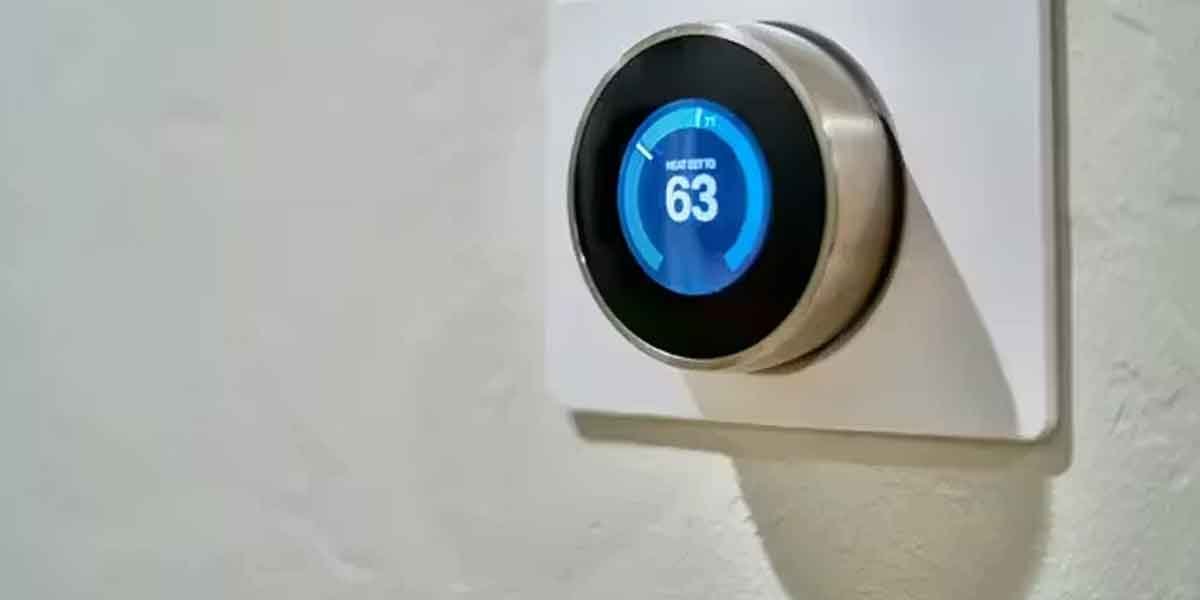
In the modern era, energy efficiency has become a top priority for homeowners and property managers. As utility costs continue to rise and environmental awareness grows, people are increasingly seeking ways to reduce energy consumption and improve the sustainability of their homes. Smart thermostats have emerged as a powerful tool for managing heating and cooling, offering a range of features from remote control and automated schedules to energy-saving algorithms and integration with other smart home devices. This article explores the most important features of smart thermostats, focusing on their impact on monthly utility savings and the role of technology in energy management.
The Importance of Smart Thermostats in Energy Efficiency
Smart thermostats are designed to provide a more precise and efficient way to manage heating and cooling. They use a network of sensors and algorithms to monitor the temperature and adjust the HVAC system accordingly. This can include everything from setting a schedule based on the occupants’ daily routines to automatically adjusting the temperature when the home is unoccupied.
Smart Thermostat Feature
Primary Benefit
Key Metric
Remote Control
Provides access from anywhere
Mobile app usage
Automated Schedules
Reduces energy waste
Schedule frequency
Energy-Saving Algorithms
Optimizes heating and cooling
Energy savings
Integration with Smart Home
Enhances overall efficiency
Device compatibility
The Role of Remote Control and Automated Schedules
One of the most important features of a smart thermostat is remote control. This allows homeowners to access their thermostat from anywhere in the world using a smartphone or tablet. They can view the current temperature, adjust the settings, and even receive alerts if the temperature falls outside of a specified range.
“Smart thermostats are not just about convenience; they are about energy efficiency. By providing a more precise and efficient way to manage heating and cooling, they can significantly reduce monthly utility bills.”
Automated schedules are another key feature of smart thermostats. They allow homeowners to program heating and cooling schedules based on their daily routines. For example, the thermostat can be programmed to lower the temperature at night or when the home is unoccupied, and then raise it again before the occupants return.
The Benefits of Energy-Saving Algorithms and Integration
Energy-saving algorithms are a critical component of smart thermostats. They use machine learning to adapt to the occupants’ preferences and automatically adjust the temperature to save energy. For example, some models can learn how long it takes to heat or cool the home and adjust the start time accordingly.
Integration with other smart home devices can also enhance the overall efficiency of the home. For example, a smart thermostat can be integrated with smart blinds to automatically close them during the hottest part of the day, reducing the workload on the AC system. Similarly, it can be integrated with smart lighting to automatically turn off the lights when the home is unoccupied.
The Evolution of Smart Thermostat Technology
Smart thermostat technology is constantly evolving, with new features and capabilities being added all the time. Some models now offer voice control, allowing homeowners to adjust the temperature using a smart speaker. Others offer advanced energy reporting, providing detailed information on energy consumption and potential savings.
As the demand for energy efficiency continues to grow, smart thermostats will remain a key driver of innovation and success. They provide a simple and effective way for homeowners to reduce their energy consumption and save money on their monthly utility bills.
Conclusion: Investing in a Sustainable and Cost-Effective Home
In conclusion, smart thermostats are a powerful tool for managing heating and cooling and reducing monthly utility bills. By focusing on remote control, automated schedules, energy-saving algorithms, and integration with other smart home devices, homeowners can create a more sustainable and cost-effective living environment. These thermostats not only provide immediate financial benefits through lower utility bills but also enhance the overall comfort and marketability of the home. As technology continues to evolve, smart thermostats will remain a critical factor in determining the success and sustainability of modern residential properties. Investing in a sustainable and cost-effective home is a strategic decision that pays off in the long run through improved energy efficiency and reduced utility costs.





Leave a Reply