
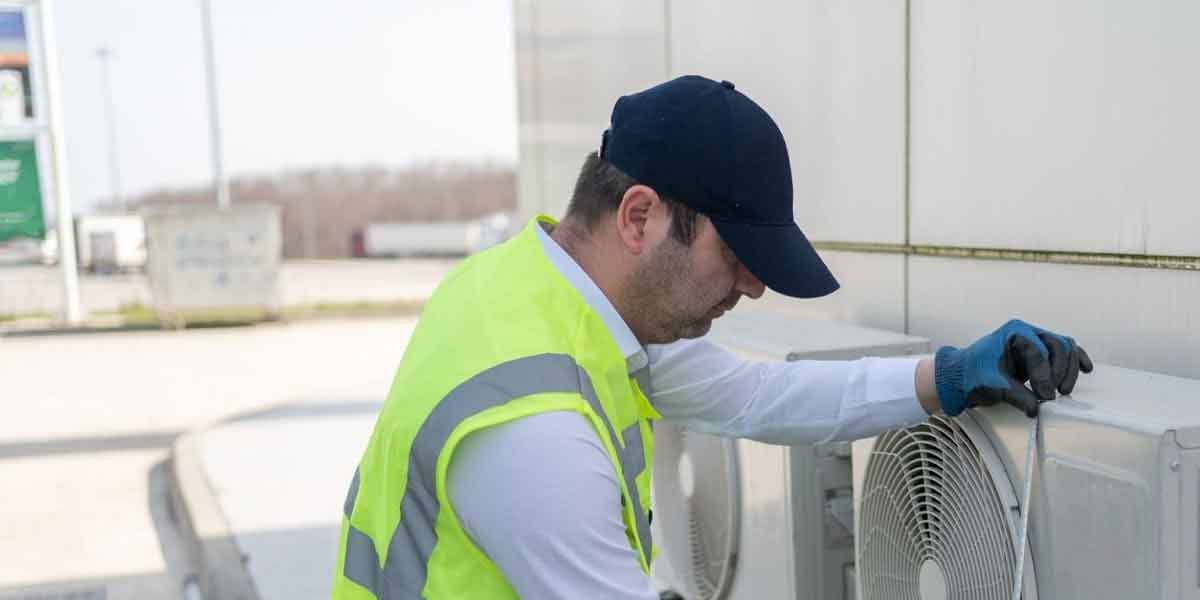
In the modern era, the majority of our time is spent indoors, whether at home, in the office, or in other commercial spaces. As a result, the quality of the air we breathe has a significant impact on our health, comfort, and overall well-being. Heating, ventilation, and air conditioning (HVAC) systems are the primary means of regulating indoor air quality, but they can also be a source of pollutants if not properly maintained. Regular HVAC inspections are critical for ensuring that these systems are functioning correctly and providing clean, healthy air for the occupants. This article explores the most important reasons why regular HVAC inspections are essential for indoor air quality, focusing on the role of filtration, ventilation, and system cleanliness.
The Role of HVAC Systems in Air Quality
HVAC systems are designed to provide a comfortable and healthy indoor environment by regulating temperature, humidity, and air purity. They use a network of filters, ducts, and other components to remove pollutants and circulate fresh air throughout the building. However, over time, these components can become clogged with dust, pollen, mold, and other contaminants, which can then be recirculated into the living space.
HVAC Component
Primary Function
Impact on Air Quality
Air Filters
Removes dust, pollen, and other particles
High
Ductwork
Circulates air throughout the building
Moderate to High
Evaporator Coils
Cools and dehumidifies the air
Moderate
Ventilation System
Provides fresh outdoor air
High
The Importance of Regular Filtration and Cleaning
One of the most important aspects of HVAC maintenance is regular filtration and cleaning. Air filters are the first line of defense against indoor air pollutants, but they must be replaced or cleaned regularly to remain effective. Clogged filters not only reduce the efficiency of the HVAC system but also allow pollutants to bypass the filter and enter the ductwork.
“A clean HVAC system is the foundation of healthy indoor air. By regularly inspecting and cleaning the system, homeowners can ensure that they are breathing clean, fresh air.”
Ductwork is another critical component of the HVAC system that can impact air quality. Over time, dust and other contaminants can accumulate in the ducts, providing a breeding ground for mold and bacteria. Regular duct cleaning can remove these pollutants and improve the overall air quality of the home. Similarly, evaporator coils can become dirty and damp, leading to mold growth and unpleasant odors.
The Role of Ventilation in Air Quality
Ventilation is another critical factor in indoor air quality. HVAC systems are designed to provide a continuous supply of fresh outdoor air, which helps to dilute indoor pollutants and maintain a healthy living environment. However, if the ventilation system is not functioning correctly, indoor air can become stagnant and polluted.
Regular HVAC inspections can identify issues with the ventilation system, such as blocked vents or malfunctioning fans. By ensuring that the system is providing adequate ventilation, homeowners can reduce the risk of respiratory problems and other health issues associated with poor air quality.
The Impact of Humidity on Air Quality
Humidity is another important factor in indoor air quality. High humidity can lead to mold growth and dust mite infestations, while low humidity can cause dry skin and respiratory irritation. HVAC systems are designed to regulate humidity levels, but they must be properly maintained to do so effectively.
Regular HVAC inspections can identify issues with the system’s dehumidification and humidification components. By maintaining optimal humidity levels, homeowners can create a more comfortable and healthy indoor environment.
Conclusion: Investing in Healthy Indoor Air
In conclusion, regular HVAC inspections are critical for ensuring healthy indoor air quality. By focusing on filtration, cleaning, ventilation, and humidity control, homeowners can reduce the risk of respiratory problems and other health issues associated with poor air quality. These inspections not only improve the health and comfort of the occupants but also enhance the overall efficiency and longevity of the HVAC system. As we continue to spend more time indoors, the importance of regular HVAC maintenance will only grow. Investing in healthy indoor air is a strategic decision that pays off in the long run through improved well-being and reduced healthcare costs.





Leave a Reply