
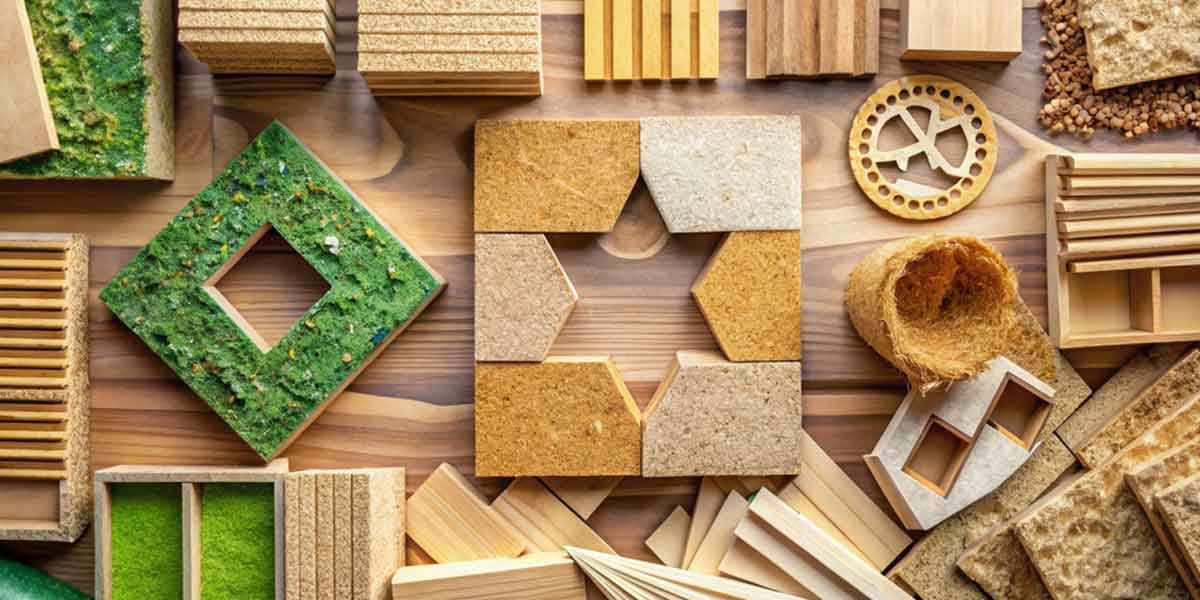
In the contemporary construction industry, sustainability has transitioned from a niche concept to a fundamental requirement for modern building projects. As environmental awareness grows and resource scarcity becomes a pressing concern, architects, engineers, and developers are increasingly seeking ways to reduce the environmental impact of their projects. Sustainable building materials are at the heart of this evolution, offering a range of benefits from reduced carbon emissions and energy consumption to improved indoor air quality and occupant well-being. This article explores the most important sustainable building materials in modern construction, focusing on their benefits and how they are being integrated into a variety of building projects.
The Importance of Sustainable Building Materials
Sustainable building materials are designed to minimize the environmental impact of construction projects throughout their lifecycle. This includes everything from the extraction and processing of raw materials to the transportation, installation, and eventual disposal or recycling of the material.
Sustainable Material
Primary Benefit
Key Metric
Recycled Steel
Reduces energy consumption and waste
Recycled content
Bamboo
Rapidly renewable and durable
Growth rate
Cross-Laminated Timber
Low carbon footprint and strong
Carbon sequestration
Recycled Concrete
Reduces landfill waste and emissions
Recycled aggregate
The Role of Recycled Steel and Concrete
Recycled steel and concrete are two of the most important sustainable building materials in modern construction. Steel is one of the most recycled materials in the world, and using recycled steel in construction projects can significantly reduce energy consumption and greenhouse gas emissions. Similarly, recycled concrete can be used as an aggregate in new concrete, reducing the need for virgin materials and diverting waste from landfills.
“Sustainable building materials are not just about reducing the environmental impact of construction; they are about creating a more resilient and sustainable future for our planet.”
Recycled steel and concrete are also highly durable and can be used in a variety of building projects, from residential homes to large-scale commercial buildings. By using these materials, developers can reduce the environmental impact of their projects while also improving their overall sustainability and longevity.
The Benefits of Rapidly Renewable Materials
Rapidly renewable materials, such as bamboo and cork, are another important category of sustainable building materials. Bamboo is a fast-growing grass that can be harvested every few years, making it a highly sustainable alternative to traditional hardwoods. It is also incredibly strong and durable, making it suitable for a variety of construction applications, from flooring and cabinetry to structural elements.
Cork is another rapidly renewable material that is harvested from the bark of cork oak trees. It is a natural insulator and is also highly resistant to fire and pests. Cork can be used in a variety of construction projects, from flooring and wall coverings to insulation and soundproofing.
The Evolution of Cross-Laminated Timber
Cross-laminated timber (CLT) is a relatively new sustainable building material that is gaining popularity in modern construction. CLT is made by gluing together layers of solid-sawn lumber, with each layer oriented perpendicular to the one below it. This creates a strong, lightweight material that can be used in a variety of structural applications, from walls and floors to roofs and even high-rise buildings.
CLT has a low carbon footprint and can sequester carbon throughout its lifecycle. It is also highly durable and can be prefabricated off-site, reducing construction time and waste. By using CLT, developers can create sustainable and resilient buildings that are both beautiful and functional.
Conclusion: Investing in a Sustainable Future
In conclusion, sustainable building materials are a critical component of modern construction. By focusing on recycled steel and concrete, rapidly renewable materials, and innovative materials like cross-laminated timber, developers can significantly reduce the environmental impact of their projects. These materials not only provide immediate environmental benefits but also enhance the overall sustainability and longevity of the building. As the construction industry continues to evolve, sustainable building materials will remain a key driver of innovation and success. Investing in a sustainable future is a strategic decision that pays off in the long run through improved environmental performance and reduced resource consumption.






Leave a Reply