Maintaining a rental property is not merely a task of addressing issues as they arise; it is a strategic approach to preserving the value of a significant financial asset. For property owners, long-term maintenance represents the intersection of tenant satisfaction, legal compliance, and financial sustainability. A well-maintained property attracts high-quality tenants, reduces turnover rates, and ensures that the physical structure remains resilient against the inevitable wear and tear of time. This guide explores the fundamental pillars of a robust maintenance strategy, emphasizing the transition from reactive to proactive management, according to J. Butler Property Management experts.
The Philosophy of Proactive Maintenance
The most successful property investors understand that maintenance is an investment rather than an expense. A reactive approach—waiting for a component to fail before fixing it—often leads to compounded damages and emergency repair costs that far exceed the price of routine inspections. Proactive maintenance involves a scheduled, systematic review of the property’s critical systems. By identifying minor leaks, aging appliances, or structural vulnerabilities early, owners can plan for repairs during off-peak seasons and avoid the disruption of emergency service calls.
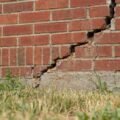
The “bones” of a property—the roof, foundation, and building envelope—require the highest level of vigilance. Water is the primary enemy of structural longevity. Roof inspections should be conducted at least once a year to check for missing shingles, damaged flashing, or signs of moss growth. Similarly, gutters and downspouts must remain clear to ensure water is diverted away from the foundation. Foundation cracks, even minor ones, should be monitored and sealed to prevent moisture from compromising the building’s stability.
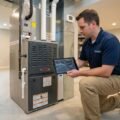
Inside the unit, the plumbing and electrical systems demand regular attention. Slow drains often signal deeper clogs that can lead to pipe bursts, while outdated electrical panels may struggle to handle the load of modern appliances. Flushing the water heater annually to remove sediment buildup can extend its lifespan by several years, representing a significant saving on capital expenditures.
Enhancing the Tenant Experience Through Quality
Maintenance is also a powerful tool for tenant retention. When a property owner demonstrates a commitment to the upkeep of the living space, tenants are more likely to treat the property with respect. High-quality finishes, such as durable flooring and energy-efficient windows, not only reduce the frequency of repairs but also enhance the daily living experience.
“A property that is cared for by the owner is a property that is cared for by the tenant. The psychological impact of a well-maintained environment cannot be overstated in the context of long-term rental success.”
Furthermore, documentation is a critical component of professional maintenance. Keeping detailed records of all inspections, repairs, and warranties provides a clear history of the property’s condition. This transparency is invaluable during lease renewals, property appraisals, or in the event of legal disputes regarding habitability.
Safety and Compliance Standards
Beyond aesthetics and value, maintenance is a matter of safety. Property owners have a legal obligation to provide a habitable environment that meets local building codes and health standards. This includes ensuring that smoke and carbon monoxide detectors are functional, egress points are unobstructed, and lead-based paint or asbestos issues are professionally managed. Regular safety audits should be a non-negotiable part of the maintenance calendar.
In conclusion, the essential guide to long-term rental property maintenance centers on the principle of consistency. By establishing a clear schedule, prioritizing structural integrity, and viewing every repair as a step toward asset preservation, owners can ensure their investments remain profitable and competitive in an ever-evolving real estate market. The transition from a “fix-it-when-it-breaks” mentality to a structured maintenance program is the hallmark of a truly professional property investor.