Ever heard someone described as a “dyed-in-the-wool” fan or a “dyed-in-the-wool” traditionalist and wondered what it really means? You’re not alone. This colorful idiom has a rich history that goes far beyond its simple definition.
This guide will unpack the complete meaning of “dyed in the wool,” from its literal origins in textile making to its modern figurative use, helping you use the phrase with confidence.
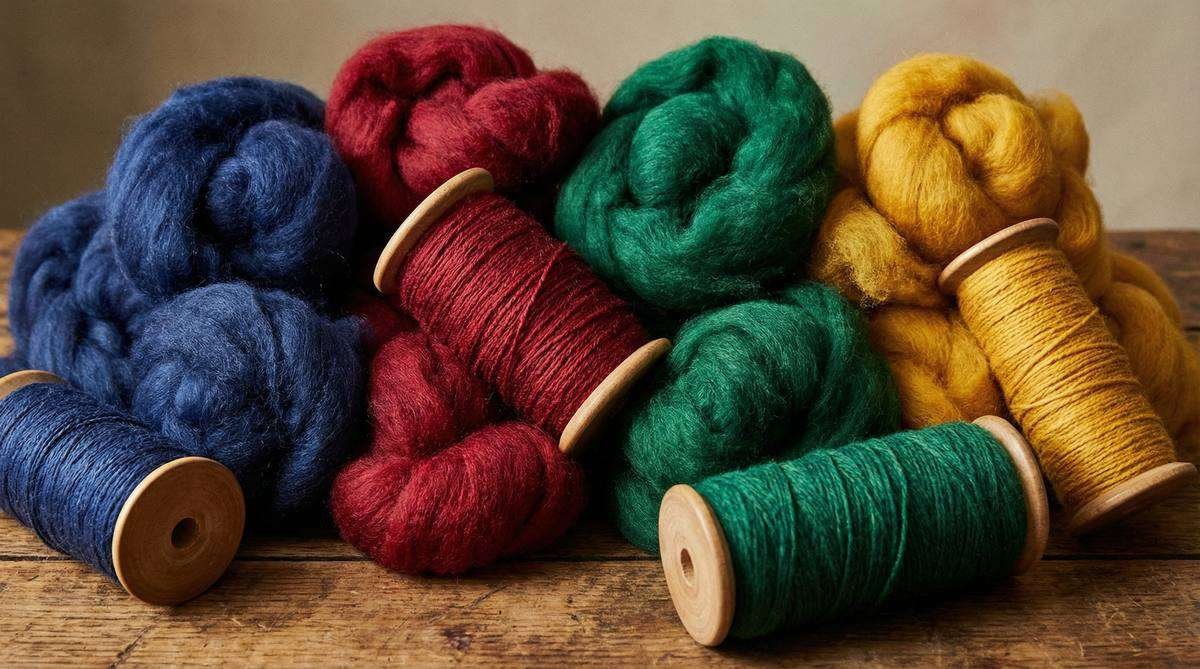
Vibrant colored raw wool fibers and yarn spools representing the dyed-in-the-wool idiom
What Is the Core Meaning of “Dyed in the Wool”?
At its heart, the idiom dyed in the wool describes a person whose beliefs or opinions are so strong, deeply ingrained, and fundamental to their character that they are highly unlikely to ever change. It signifies a thoroughgoing and uncompromising nature, a trait that is simply part of who they are.
Think of it as a belief that is not just a surface-level preference but part of the very fabric of their being. Synonyms often used to capture this sense of permanence include inveterate, confirmed, and deep-rooted. The core metaphor is that, like a color set deep into the fibers of wool before it’s even spun into yarn, the belief is part of the person’s fundamental nature.
The Literal Origin: From Ancient Craft to Modern Idiom
The journey of this phrase begins not in a dictionary, but in the hands of textile workers centuries ago. The literal meaning comes from the wool dyeing process. To achieve the most permanent, fade-resistant color, artisans would dye the raw, unspun wool fleece. This method ensures the color penetrates every fiber, making it far more durable than dyeing the finished yarn or woven cloth.
This powerful and practical process eventually gave rise to its figurative meaning. By 16th-century England, writers began using it as a metaphor for instilling lifelong habits or beliefs in children from a young age. The idea was that, like the color in the wool, lessons taught early would become a permanent part of their character.
The phrase gained significant traction in 19th-century America, particularly in the political arena. Orator and statesman Daniel Webster famously used it to describe certain Democrats whose political stances he saw as unyielding and fixed, as ingrained as the color in dyed wool.
Dyed vs. Died: Correcting a Common Spelling Mistake
One of the most common errors when using this textile idiom is spelling it as “died in the wool.” This is incorrect. The proper spelling is dyed, referring directly to the coloring process that gives the phrase its meaning.
The misspelling “died” makes no sense in the context of the idiom’s origin. To avoid this mistake, simply remember the source: it’s about dyeing clothes and fibers, not about death. Thinking of the vibrant colors of dyed fabric can help solidify the correct spelling in your mind.
How to Use “Dyed in the Wool” in a Sentence
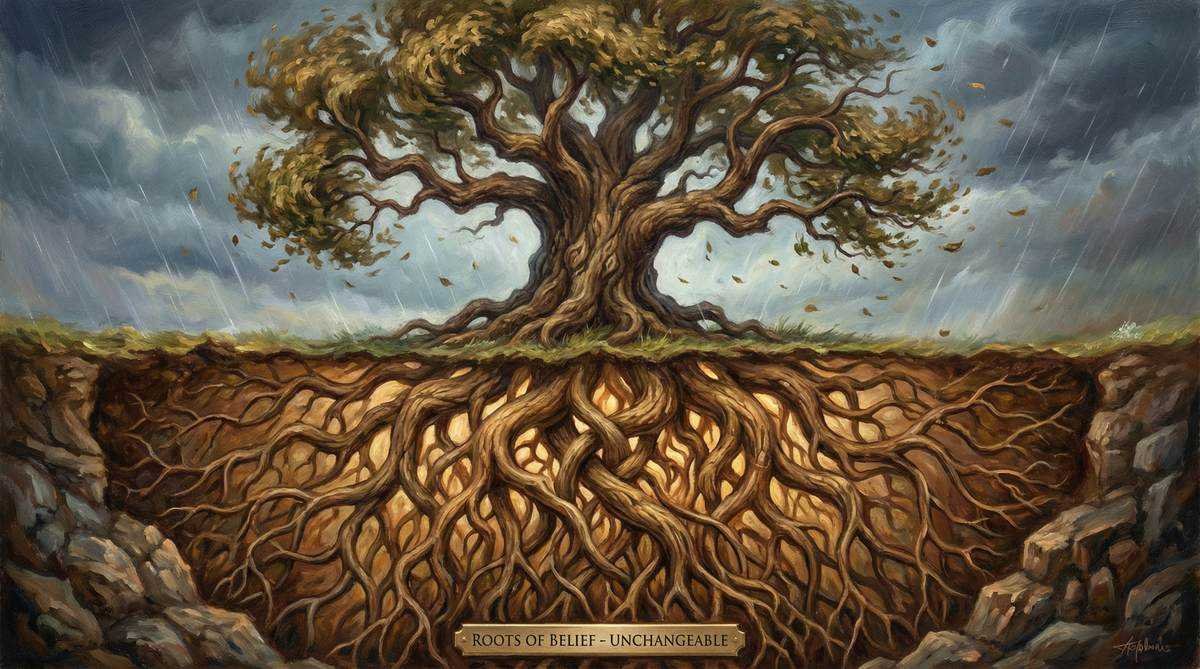
The phrase is versatile and can be applied to a wide range of contexts to describe someone with deeply held, unchanging convictions. Here are a few examples that illustrate its use across different areas of life.
Politics: “My grandfather is a dyed-in-the-wool Republican; he hasn’t missed voting in an election since 1960.”
Sports: “As a dyed-in-the-wool Yankees fan, she refuses to watch a Red Sox game even if it’s the World Series.”
Lifestyle/Habits: “He’s a dyed-in-the-wool traditionalist when it comes to cooking, insisting on using cast-iron pans and no modern gadgets.”
Culture: “Despite living in the city for 20 years, she remains a dyed-in-the-wool country girl at heart.”
Is the Phrase “Dyed in the Wool” Positive or Negative?
Whether “dyed in the wool” carries a positive or negative connotation depends entirely on the speaker’s perspective and the context. It is a neutral term at its core.
It can be used positively to imply loyalty, steadfastness, and strong principles. For instance, you might hear, “We need a leader who is a dyed-in-the-wool defender of justice.” Here, it is a compliment, suggesting unwavering commitment.
Conversely, it can be used negatively to suggest someone is stubborn, close-minded, and unwilling to change. For example: “He’s a dyed-in-the-wool skeptic who refuses to consider any new evidence.” In this case, it highlights a rigid and inflexible mindset.
“Dyed in the Wool” vs. Similar Idioms: A Comparison
English has several idioms to describe strong beliefs or traits, but they have subtle differences. The table below shows how “dyed in the wool” compares to three closely related expressions.
| Idiom | Meaning | Key Difference |
|---|---|---|
| Dyed in the Wool | Beliefs are fundamental and part of one’s core identity from the start. | Implies beliefs are original and deeply ingrained. |
| True Blue | Extremely loyal and faithful to a person, team, or cause. | Focuses more on loyalty and allegiance than the origin of the belief. |
| Set in One’s Ways | Unwilling to change habits or routines, often associated with age. | Focuses on behavior and habits, not necessarily core beliefs. |
| Bred in the Bone | A quality or characteristic that is innate and seems hereditary. | Implies an almost genetic, natural trait rather than a developed belief. |
Frequently Asked Questions (FAQ)
What is a simple definition of dyed in the wool?
It means having very strong beliefs, habits, or opinions that are deeply ingrained and will not change. The phrase describes someone whose convictions are a fundamental part of their identity.
Where did the idiom dyed in the wool come from?
It comes from the old practice of dyeing wool fibers before they were spun into yarn. This made the color more permanent, which became a metaphor for deeply held, lasting beliefs. The figurative use dates back to 16th-century England.
Is it correct to say “died in the wool”?
No, that is a common misspelling. The correct phrase is “dyed in the wool,” referring to the coloring process used in textile making.
Can “dyed in the wool” be used for things other than people?
While it’s most commonly used for people, you might occasionally hear it used to describe the unchangeable character of an organization or a place, such as “a dyed-in-the-wool conservative newspaper.”
What are some good synonyms for dyed in the wool?
Good synonyms include inveterate, confirmed, entrenched, deep-rooted, thoroughgoing, and uncompromising.
From an ancient textile craft to a staple of modern political commentary, the phrase “dyed in the wool” perfectly captures the idea of an unshakable belief or identity. Now that you understand its rich history, correct spelling, and nuanced usage, you can recognize and use this powerful idiom with precision and confidence.
You Might Also Like...
 Pappedeckel: The Sustainable Cardboard Lid Revolutionizing Global Packaging
 Florncelol: The Viral Gaming Username That Redefined Digital Identity in 2026
 Bamboo vs Wheat Straw Plates: Which Eco-Friendly Choice Is Right for You?
 Ashenaletuve: The Emerging Framework Reshaping Creative Innovation, Digital Identity, and Sustainable Growth in 2025 and Beyond