


When you face a physical crisis, your attention often goes to visible injuries. You may focus on broken bones, wounds, or muscle pain. These injuries matter, but they are only one part of the recovery process.
Your nervous system also absorbs the shock of the event. It controls stress responses, sleep patterns, and emotional reactions. During a crisis, this system shifts into survival mode to protect you.
The problem is that the nervous system does not always return to normal quickly. Even after the immediate danger ends, your body may stay alert. You might feel tense, tired, or unable to relax.
Understanding this response can help you take a healthy approach toward recovery. True healing includes giving your nervous system time to stabilize and reset.
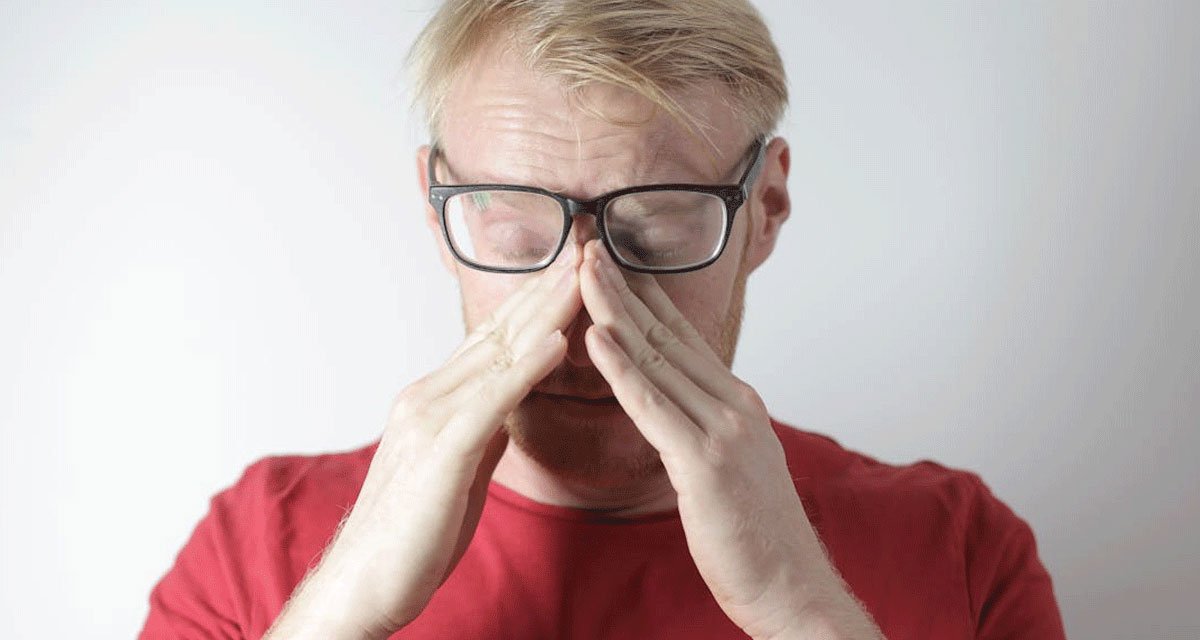
When the Body’s Alarm System Stays Switched On
Your nervous system acts as the body’s emergency response center. When danger appears, it activates the fight-or-flight response. This response releases stress hormones like adrenaline and cortisol.
These chemicals increase heart rate, sharpen awareness, and prepare your body to react quickly. After the crisis passes, the body should return to a calmer state. This balance depends on how the nervous system regulates stress. The recovery phase supports rest, digestion, and repair. Sometimes that shift takes longer than expected.
The Guardian notes that the nervous system controls emotions, thoughts, and automatic actions like breathing and heart rate. To manage these functions, it operates through two main branches. The sympathetic system prepares the body for action. The parasympathetic system restores calm after stress.
When these two systems lose balance, the body struggles to regulate stress. People may feel anxiety, numbness, poor sleep, or trouble shifting emotional states. These reactions show the nervous system remains stuck in a protective mode. However, research also suggests the nervous system has ways to recover.
A 2025 paper also shows that the nervous system can adapt after injury. The research published in The Journal of Neuroscience reveals that surviving neurons can grow small branches that rebuild lost connections between cells. These new pathways restore signal flow and help parts of the visual system function again after damage.
This recovery process takes time. That is why many people still feel unsettled after a crisis.
Sudden Trauma Can Shock the Nervous System
Some crises give you time to prepare, while others happen in seconds. Sudden accidents often create the strongest nervous system shock. Car crashes are a clear example. They happen without warning and place the body under immediate stress. Serious crashes affect communities across the country every year.
One example occurred in Fayetteville, Arkansas. ABC11 News reported that a single-car crash on Rosfield Road left three high school students dead and a 35-year-old driver critically injured. Police said the gray Honda Civic ran off the road, struck a telephone pole, and crashed into a tree.
Events like this leave survivors dealing with both physical trauma and intense stress responses. The body may struggle to calm down after such a sudden shock. Keith Law Group explains that serious car crashes often cause traumatic brain injuries, spinal cord damage, fractures, and other life-altering medical conditions.
Because these crashes often cause severe injuries, survivors may face hospital bills, insurance issues, and legal questions. In situations like this, speaking with a Fayetteville car accident lawyer can help injured individuals understand their options while focusing on recovery.
The emotional and neurological effects of trauma may last longer than the physical wounds.
When dealing with these long-term emotional struggles, professional support can help the body move past the initial shock. Working with experienced guides at Virtuous Circle Counselling allows individuals to process traumatic events in a supportive space. These therapeutic approaches help stabilize the nervous system, giving people the practical tools needed to reclaim their health and long-term well-being.
Recognizing When Nerves Are Still Recovering
Nerve healing does not follow the same timeline as muscle or skin recovery. In many cases, nerves take longer to repair.
You may notice symptoms that seem unusual after an injury. Tingling, numbness, or burning sensations can appear in affected areas. Some people also feel weakness in certain muscles.
These signs often mean the nerve pathways are still repairing themselves. Experts at the University of Utah Health explain that nerve injuries can affect sensory and motor nerves in different ways. Sensory damage may cause burning, tingling, or loss of feeling.
Motor nerve injuries may lead to muscle weakness, twitching, cramps, or reduced coordination. Their guidance also notes that peripheral nerve injuries often occur after physical trauma, compression, tumors, or treatments such as chemotherapy or radiation.
Experts also warn that nerve damage may worsen over time if treatment is delayed, making early diagnosis important for recovery. For this reason, nerve recovery rarely happens overnight. This slow healing process can be frustrating. Yet it also shows that the nervous system is actively rebuilding damaged connections.
The Brain’s Ability to Rewire After Trauma
Your brain has a powerful ability that supports nervous system recovery. Scientists call this ability neuroplasticity. Neuroplasticity allows the brain to reorganize its neural connections after injury. This ability helps the nervous system adapt when pathways become damaged.
Recovery through neuroplasticity is well-documented in neuroscience research. The American Brain Foundation explains that when brain tissue is injured by events such as falls, collisions, or sports injuries, neural pathways can reroute signals around damaged areas.
Neurons may form new connections or strengthen existing ones to restore communication between brain regions. Researchers note that this rewiring helps the brain compensate for damaged cells by creating alternate routes for electrical signals.
As a result, many people regain abilities affected by concussions, traumatic brain injuries, or strokes. You can support this recovery through simple daily habits. Consistent sleep helps regulate stress hormones. Gentle physical activity improves blood flow to both nerves and brain tissue.
Rehabilitation therapy may also strengthen new neural connections. Over time, these adjustments help restore balance across the nervous system. Healing may feel slow, but the brain has a remarkable capacity to adapt.
People Also Ask
1. How long does it take for the nervous system to recover after trauma?
Recovery time varies depending on the type of injury and overall health. Some people begin feeling better within weeks, while others need months for the nervous system to stabilize. Stress management, proper sleep, and gradual physical activity often support the body’s natural recovery process.
2. What are common signs that your nervous system is overwhelmed?
An overwhelmed nervous system often shows through physical and emotional changes. You might notice constant fatigue, trouble sleeping, irritability, or a racing heart during minor stress. Some people also feel mentally foggy or overly sensitive to noise and stimulation during daily activities.
3. What foods help the nervous system recover after trauma?
Fueling your body with Omega-3 fatty acids found in walnuts and salmon helps rebuild protective nerve coatings. B-vitamins from leafy greens and eggs also support neurotransmitter function. Adding these nutrient-dense options to your daily meals provides the raw materials your body needs to repair damaged pathways more efficiently.
Physical crises affect more than bones or skin. They also shock your nervous system. While staying in survival mode protects you during trauma, lingering tension can stall your long-term wellness.
Fortunately, through neuroplasticity and proper support, your brain can rebuild and regain lost balance. By prioritizing rest and professional care, you allow your body to move past the crisis and truly reclaim your health.
You Might Also Like...
 How Brain Injuries Impact Long-Term Compensation in Toronto
 The Science Behind Recovery for Improved Lifestyle Balance
 Gary Woodland’s Wife Gabby Woodland: Their Marriage, Family, and the Story Behind His Comeback
 The Anxious-Avoidant Trap: Why Some Couples Keep Breaking Up and Getting Back Together
