


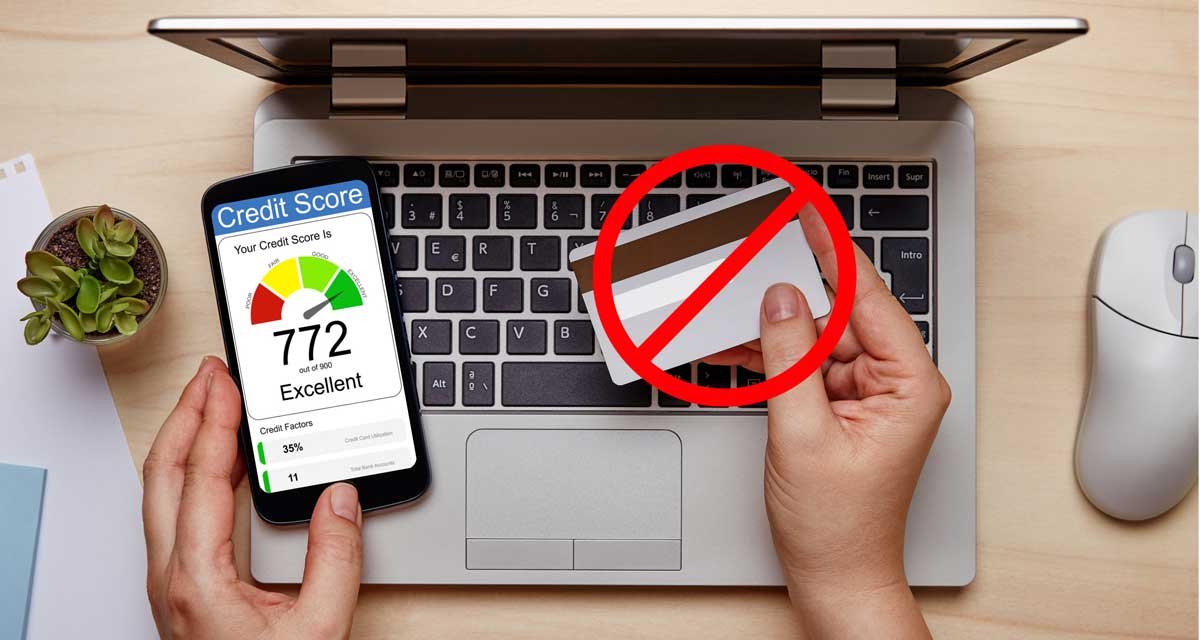
Not everyone starts their financial journey with a credit card. Some people prefer to avoid them altogether, while others might not qualify due to limited income, lack of credit history, or past financial issues. In the Philippines, where many adults remain unbanked or underbanked, getting access to traditional credit can be a challenge in itself, points out Imperial Asset Management.
Maybe you’re still in the process of applying for a credit card with no income requirement Philippines consumers trust. Maybe you’d like to hold off on including one in your financial toolkit for other reasons. Whatever your situation, being without a credit card shouldn’t lock you out of the benefits of borrowing. And creditworthiness is ultimately less about the type of product you use and more about how consistently and responsibly you manage your financial obligations.
Let’s look into several practical ways you can start building or strengthening your credit profile without ever needing a credit card.
1) Explore Digital Lines of Credit
The rise of digital banks and other lending platforms has opened new doors for those looking to access credit on more flexible terms. Lines of credit, in particular, serve as an adaptable borrowing option: you draw only what you need, repay it over time, and reuse the funds as needed. When you make repayments consistently and on time, these tools can support credit growth, especially if the lender reports to a credit bureau.
If you don’t have a long financial history just yet, applying for a virtual credit line can be a practical first step toward establishing a positive track record. Apply for a program like that of Maya Easy Credit, and you’ll be in good hands.
2) Open a Mobile or Postpaid Plan in Your Name
Your mobile phone can do more than keep you connected—it can also help shape your credit history. Postpaid telecom plans, which require monthly payments under your name, are now often reported to the Credit Information Corporation (CIC) in the Philippines.
Choosing a plan you can comfortably afford and paying it on time allows you to demonstrate your ability to manage regular financial commitments. It’s also a low-barrier way to start building credibility with future lenders.
3) Take Out a Small Personal Loan and Repay It Responsibly
When used thoughtfully, even a modest personal loan can serve as a stepping stone toward stronger credit. You can take one out through a bank, cooperative, or licensed digital lender; the key is to ensure the loan fits your budget and repayment schedule.
Lenders report these repayments to the credit bureau, which helps show that you can be trusted to meet your financial obligations. Use this approach for practical needs such as education, emergency expenses, or consolidating smaller debts, all so that you can build your credit profile while addressing real-life goals.
4) Monitor Your Credit Report and Dispute Errors
Errors on your credit report—such as outdated loans, incorrect payment statuses, or unfamiliar accounts—can unfairly drag down your score. You’re entitled to request a copy of your report from the CIC. Review it regularly to spot issues before they become bigger problems. And in case you do find inaccuracies, dispute them promptly to protect your credit standing and ensure your progress reflects reality.
5) Use Installment Products Designed to Build Credit
Financing a new phone or home appliance might not sound like a credit-building strategy, but it can be if you go through the right channels. Many retailers now offer installment plans in partnership with providers that report payments to credit bureaus. These options often come with simple application requirements and manageable terms. As long as you make each payment on time, you can support your credit profile while also managing big-ticket purchases more efficiently.
6) Report Rent, Utility, or Telco Payments When Possible
You’re likely already making payments each month that could strengthen your credit if they’re properly reported. Some services now allow consumers to submit proof of rent, electricity, water, or mobile payments to the credit bureau. While not all landlords or providers offer this by default, it’s worth exploring platforms or tools that do. You might just be able to turn regular bills into verifiable credit activity, without needing to change anything about your regular financial routine.
7) Keep Active Accounts in Good Standing
A long-standing account in good health can quietly do a lot for your credit history. If you already have open accounts—such as a loan, telecom plan, or line of credit—staying on top of payments and avoiding unnecessary closures will send the message that you’re a trustworthy borrower. Lenders often look for signs of stability, and maintaining active, well-managed accounts shows that you’re not just creditworthy once, but over time.
There’s no need to start building your credit history just with a credit card if it’s not right for you. With the right habits and a few strategic choices, you can create a solid financial foundation that grows stronger over time. In the end, the tools you use to strengthen your profile may vary, but the discipline behind them is what matters most.
You Might Also Like...
 FintechZoom NASDAQ: The Complete Guide to Real-Time Trading Insights and Market Intelligence in 2026
 MyGreenBucks Kenneth Jones: The Complete Guide to Smart Money, Financial Freedom, and Sustainable Wealth Building
 What is Miuzo? The Ultimate Guide to a Modern Digital Concept
 Awius: The Future of Digital Identity & Adaptive Solutions
