Carnival games hold a distinctive place in the collective memory. They evoke images of boardwalks, county fairs, and summer evenings lit by strings of bulbs. Yet their appeal goes beyond nostalgia. At their core, carnival games are structured experiences that combine skill, luck, and spectacle in a way few other party activities can match. They create a sense of occasion, transforming an ordinary gathering into something that feels curated and intentional.
The power of these games lies in their simplicity. Toss a ring, knock down a stack of bottles, land a ball in a cup. The rules are intuitive, and the objectives are clear. Guests of all ages understand the challenge almost immediately, which lowers the barrier to participation. When entertainment is easy to grasp, more people engage, and that collective engagement changes the energy of the room.
In a party environment, shared activities are often the difference between polite conversation and genuine connection. Carnival games offer built in structure without feeling rigid. They allow guests to participate at their own pace while still being part of a shared experience. The result is a social atmosphere that feels lively and cohesive rather than fragmented.
A Catalyst for Social Connection
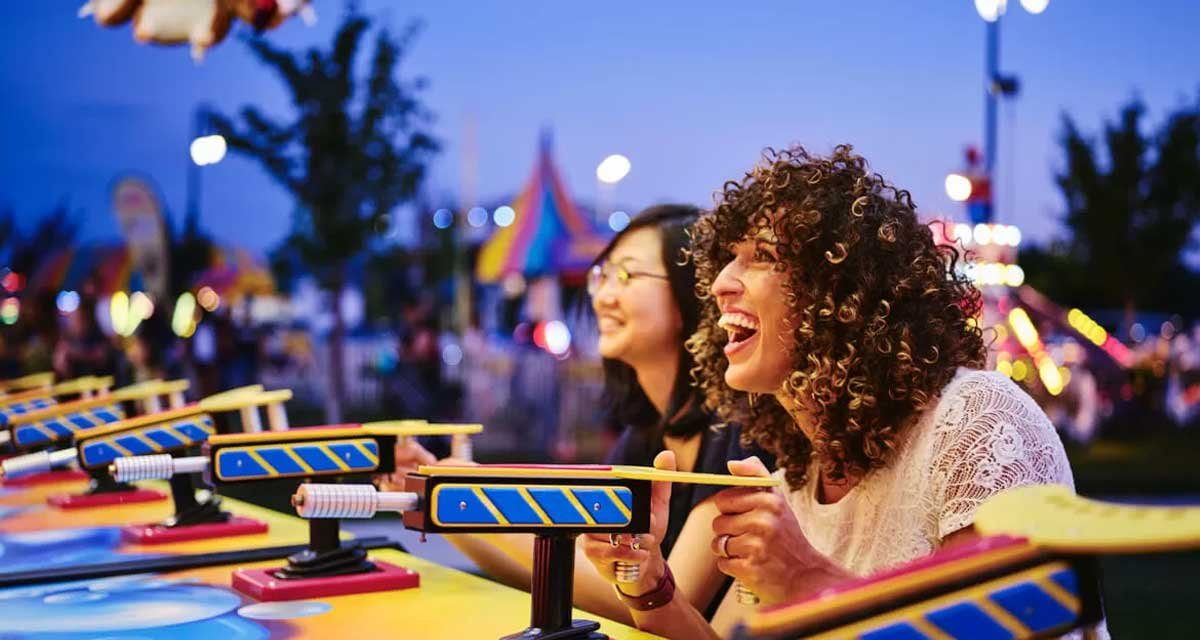
One of the most difficult aspects of hosting a party is ensuring that guests mingle beyond their immediate circles. Carnival games create natural opportunities for interaction. When two strangers find themselves side by side attempting the same challenge, conversation flows more easily. A missed shot or a near win becomes an icebreaker that does not feel forced.
Competition adds another layer to this dynamic. Even lighthearted rivalry can energize a room. People cheer for one another, offer tips, and laugh over near misses. The shared experience of striving for a small, achievable goal builds camaraderie quickly. Unlike more formal team building activities, carnival games keep the mood playful rather than intense.
Importantly, these games are inclusive. Guests who prefer not to dominate a dance floor or hold court in conversation can still participate meaningfully. They can step up to a booth, try their luck, and step back without pressure. That flexibility ensures that introverts and extroverts alike find a comfortable entry point into the party’s social rhythm.
Visual Impact and Atmosphere
Carnival games do more than entertain. They shape the visual language of an event. Colorful booths, bold signage, and tactile props create a sensory experience that standard party rentals rarely achieve. A space outfitted with game stations immediately signals that this gathering is designed to be interactive and memorable.
In recent years, event designers have reimagined carnival setups as visually immersive environments that invite guests to pause, play, and capture the moment. Oversized props, vivid backdrops, and thoughtfully crafted booths turn familiar midway challenges into striking focal points. Within this movement toward design driven play, companies such as Something New have helped define a more elevated standard for modern carnival experiences. Their curated collections of highly shareable carnival games demonstrate how bold craftsmanship and interactive staging can transform simple attractions into memorable features that guests are eager to document and share.
The visual component also influences how guests perceive the event’s scale and ambition. A well designed carnival area suggests investment and creativity. It communicates that the host has considered not just food and music but the overall experience. That attention to detail often translates into higher guest satisfaction and stronger word of mouth long after the party ends.
Adaptable to Any Audience
One of the strongest arguments for carnival games is their versatility. A child’s birthday party and a corporate product launch may appear worlds apart, yet both can benefit from the same foundational concept. By adjusting themes, difficulty levels, and prize structures, hosts can tailor games to suit virtually any demographic.
For family gatherings, games can be simplified and brightly themed. Plush prizes and whimsical signage reinforce a sense of wonder. At corporate events, the same formats can be reimagined with sleek branding, customized prizes, and subtle messaging. The mechanics remain familiar, but the presentation aligns with the event’s objectives.
Even at adult focused celebrations such as milestone birthdays or weddings, carnival games can strike the right note. They offer a structured alternative to traditional reception activities. Guests who might otherwise linger at tables are drawn into shared experiences. The adaptability of these games ensures that they feel intentional rather than gimmicky, regardless of the audience.
Encouraging Healthy Competition and Engagement
Healthy competition has a way of sharpening focus and increasing engagement. Carnival games provide a low stakes environment where guests can test their skills without fear of embarrassment. The possibility of winning a prize, even a symbolic one, adds a layer of excitement that keeps participants returning for another attempt.
Structured challenges also help anchor the event’s timeline. Instead of relying solely on music or speeches to guide momentum, hosts can create mini tournaments or leaderboards. These elements give guests a reason to circulate and revisit different parts of the venue. Engagement becomes continuous rather than confined to a single moment.
Moreover, the blend of skill and chance ensures that outcomes remain unpredictable. A first time player can outperform a seasoned competitor with a bit of luck. This unpredictability levels the playing field and keeps morale high. It reinforces the idea that participation is more important than mastery, which is especially valuable in diverse groups.
Elevating Brand and Event Identity
For corporate hosts and event planners, carnival games can serve a strategic function. Branded booths, customized challenges, and themed prizes create subtle but memorable touchpoints. Instead of handing out promotional materials that may be discarded, companies can embed their message within an experience.
When guests associate a brand with enjoyment and novelty, that association lingers. A well designed game tied to a product launch or company milestone can reinforce key messages without feeling didactic. The experiential nature of carnival games supports storytelling in a way that static displays cannot.
This approach also differentiates events in crowded markets. Trade shows, conferences, and networking receptions often blur together. Introducing interactive elements signals that an organization values creativity and engagement. In competitive industries, that distinction can influence how a company is perceived by clients, partners, and employees alike.
Practical Benefits for Hosts
Beyond the experiential advantages, carnival games offer logistical benefits. They can be modular, allowing hosts to scale up or down depending on space and budget. A few strategically placed stations can animate a small venue, while a full carnival layout can anchor a large outdoor event.
From an operational standpoint, games help distribute guests evenly across a space. Instead of clustering around the bar or buffet, attendees spread out to participate. This natural flow reduces bottlenecks and enhances comfort. It also allows hosts to manage crowd density more effectively.
Finally, carnival games provide measurable value in terms of guest satisfaction. When attendees leave with stories of what they tried, won, or nearly accomplished, the event becomes memorable. In an era when experiences are prized over possessions, that memorability carries significant weight. For hosts seeking to create gatherings that resonate long after the last guest departs, carnival games offer a compelling and practical solution.