At an age when most professionals are hitting their mid-career stride, Wes Watson was starting over. He wasn’t climbing a corporate ladder. He was walking out of a prison cell after a ten-year sentence. This isn’t just a story about a number.
This article unpacks how Wes Watson’s age is the very core of his narrative. It’s the anchor for his radical transformation. From a concrete cell to a multi-million dollar empire, his age marks the chapters of an almost unbelievable comeback story.

We will explore his journey through a timeline shaped by time itself. We’ll dissect his ‘GP Mentality,’ fact-check the controversial claims, and reveal what his age truly represents. This is the full story behind the number.
Wes Watson at a Glance: More Than Just a Number
| Attribute | Detail |
|---|---|
| Full Name | Wesley “Wes” Watson |
| Date of Birth | November 19, 1983 |
| Current Age (as of Feb 2026) | 42 |
| Zodiac Sign | Scorpio |
| Place of Birth | San Diego, California |
| Key Life Event | Released from prison at age 35 (2018) |
| Known For | Watson Fit, “GP Mentality” |
The Timeline: How Wes Watson’s Age Defined His Journey
1983-2008: The Early Years & The Spiral Down (Ages 0-25)
Born on November 19, 1983, in San Diego, California, Wes Watson’s early life was steeped in the city’s iconic skate and surf culture. On the surface, it seemed like a typical Southern California childhood. But beneath that sun-soaked exterior, Watson was drawn to a darker path. By the age of 12, he was experimenting with drugs. By 14, he wasn’t just using—he was selling.
This wasn’t a slow descent; it was a rapid spiral. Watson has spoken openly about how quickly violence became normalized in his life. Fights, assaults, and run-ins with the law became routine. By his early twenties, when most of his peers were finishing college or starting careers, Watson was deep in a lifestyle that could only end one way. The formative years that should have been about building a foundation were instead about tearing everything down.
At 25, the inevitable happened. A violent altercation led to his arrest on charges of battery and assault. The sentence: ten years in the California state penitentiary. For most people, this would be the end of the story. For Watson, it was the beginning of a transformation that would define the rest of his life.
2008-2018: The Decade of Incarceration (Ages 25-35)
His 25th birthday marked the beginning of a ten-year prison sentence. This was not a lost decade; it was a crucible. The California state penitentiary is not a place for the weak. It’s a world governed by its own brutal rules, where respect is earned through strength and consistency. Watson could have let the system break him. Instead, he made a decision that would change everything: he would use this time to rebuild himself from the ground up.
Inside, Watson forged the philosophy that would later make him famous. He turned his cell into a monastery of discipline. Every single day, without exception, he followed a strict routine. Push-ups, pull-ups, burpees—all performed with nothing but his bodyweight and the concrete floor. He read voraciously, devouring books on philosophy, business, and mindset. He studied Stoicism, learning to control what he could and accept what he couldn’t.
This wasn’t just about staying fit or passing the time. Watson was building an operating system for his mind. He was creating a set of non-negotiable standards that would govern every aspect of his life, both inside and eventually outside the walls. It was during this period, from age 25 to 35, that the “GP Mentality” was born from nothing but time, discipline, and an unshakable will to survive and thrive.
By the time Watson walked out of prison at 35, he wasn’t just a free man. He was a weapon. He had spent ten years sharpening his body and mind, and he was ready to unleash that energy on the world.
2018-Present: The Explosive Rise to Fame (Ages 35-42)
Released at 35, Watson re-entered a world he barely recognized. He didn’t just re-integrate; he conquered. Within three weeks of walking out of prison, he appeared on Big Herc’s “Fresh Out” YouTube channel. That single interview, raw and unfiltered, racked up over a million views and changed everything. People weren’t just curious about his story; they were hungry for the mindset that allowed him to survive and thrive in one of the harshest environments imaginable.
Within 18 months, he claimed to have earned his first million dollars. The business model was deceptively simple but brutally effective. He turned his daily Instagram rants into structured coaching programs, pricing them at premium rates that would make most fitness coaches balk. But Watson wasn’t selling workout plans. He was selling transformation, accountability, and a philosophy forged in fire.
This period, from his mid-thirties into his forties, has been a blur of explosive growth, controversy, and the construction of an eight-figure empire. He moved from a modest apartment to a sprawling Miami mansion. His car collection grew to include a Bugatti Chiron, multiple Rolls-Royces, and a fleet of exotic vehicles that became props in his carefully crafted image of success. The speed of his success at this age is a critical part of his legend, and it’s also the source of much of the skepticism that surrounds him.
The “GP Mentality” Explained: A Philosophy Forged by Time

To understand Wes Watson, you must understand the “GP Mentality.” It’s the operating system he built during his ten years in the general population of a California prison. It’s not a workout plan or a motivational slogan; it’s a philosophy of radical self-reliance forged in an environment where you have nothing but time and the choice of how to use it.
The core tenets are brutally simple. First, unwavering discipline. This means doing the work every single day, whether you feel like it or not. Second, total accountability. There are no excuses for your circumstances; you own your decisions and their consequences. Finally, non-negotiable standards. You set a baseline for your behavior, your fitness, and your mindset, and you never, ever dip below it.
“The man who takes more pride in the steps to attain the result than the result itself cannot be stopped. The work truly instills the worth.”
This philosophy is intrinsically linked to his age and time in prison. He didn’t have access to fancy gyms or life coaches. He had a concrete floor for push-ups and a mind to be mastered. The “GP Mentality” is about finding power in powerlessness. It’s a direct response to a decade where his freedom was gone, but his will remained his own.
The Watson Fit Empire: Building Millions from Mindset
At the heart of Wes Watson’s financial success is Watson Fit, a coaching empire that operates on a model fundamentally different from typical fitness businesses. While most fitness influencers monetize through low-cost digital products, supplements, or apparel, Watson went in the opposite direction. He built his business on high-ticket coaching programs that can cost anywhere from three thousand to five thousand dollars for a 90-day transformation.
The psychology behind this pricing is deliberate. Watson understands that people don’t value what comes cheap. By pricing his programs at premium rates, he creates a barrier to entry that filters out the merely curious and attracts those who are genuinely committed to change. This isn’t just smart business; it’s a reflection of the “GP Mentality” itself. If you’re not willing to invest significantly in your transformation, you’re not ready for what Watson is selling.
Beyond the one-on-one coaching, Watson has built multiple revenue streams. His YouTube channel, “GP Penitentiary Life,” serves as a constant content engine, feeding his brand with stories, philosophy, and motivation. His book, “Non-Negotiable,” published in 2022, has sold over 75,000 copies and serves as both a revenue source and a credibility builder. He’s also ventured into lower-ticket offerings like a $47-per-month app, which provides a more accessible entry point for those not ready to commit to the full coaching experience.
What makes Watson’s business model particularly effective is his understanding of personal branding in the social media age. Every post, every video, every public appearance is meticulously crafted to reinforce his image as someone who has conquered the ultimate adversity. His age plays into this narrative perfectly. At 42, he’s old enough to have lived through real hardship but young enough to be relatable to a generation raised on social media and instant gratification.
Fact-Checking the Empire: Age, Wealth, and Controversy
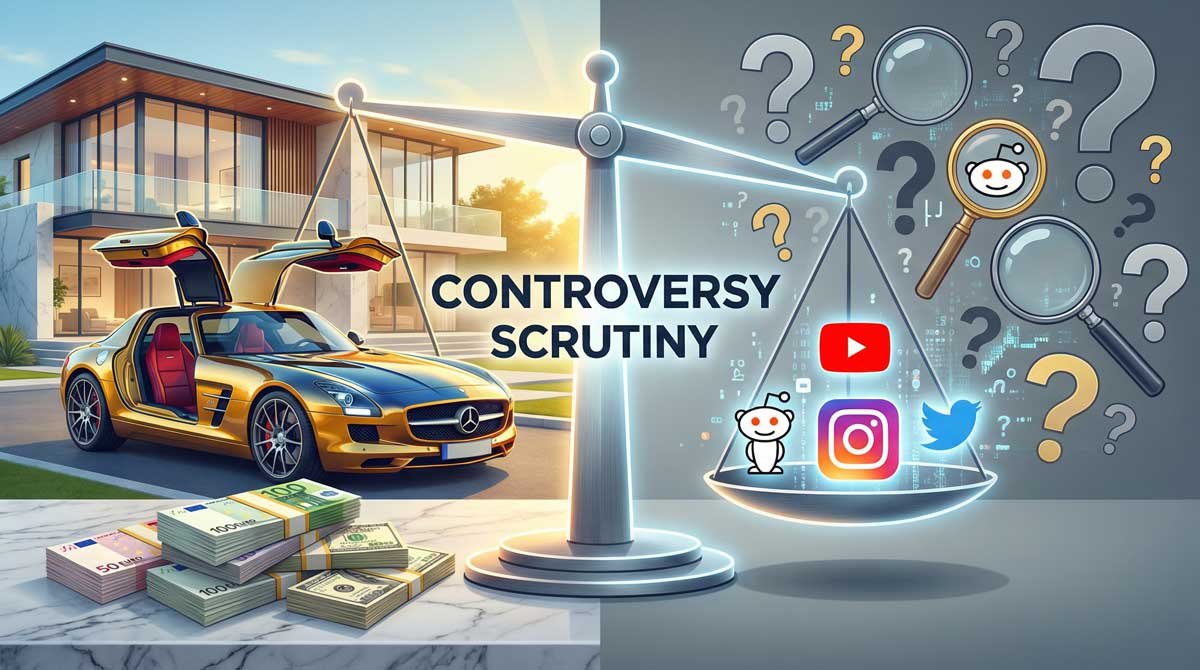
Wes Watson’s rapid ascent has naturally attracted intense scrutiny. A core part of his brand is his extravagant wealth and unflinching confidence, but many of his claims are debated. This section addresses the most common points of contention, providing clarity on what is known versus what is alleged.
The Net Worth Debate
One of the biggest questions surrounding Watson is his true net worth. He projects an image of immense wealth, but official estimates often conflict with his personal claims. The table below breaks down the different figures.
| Source | Claimed Value | Basis |
|---|---|---|
| Independent Analysts | $3 million – $8 million (Net Worth) | Based on public records, visible assets (real estate, cars), and conservative estimates of business revenue. |
| Wes Watson | $24 million+ (Annual Gross Revenue) | Based on his own statements in podcasts and social media. This is a revenue figure, not personal net worth. |
Timeline of Controversies
His journey has not been without significant controversy. These events are a key part of his public narrative and are frequently discussed online.
- Scam Allegations: Numerous threads on platforms like Reddit question the value and refund policies of his high-ticket coaching programs.
- Miami Gym Assault (2023): Watson and several associates were involved in a physical altercation at an Elev8tion Fitness gym, leading to negative press and legal issues. As reported by major news outlets, this incident raised questions about his character and judgment.
- Questionable Claims: He has been repeatedly accused of exaggerating details about his life, including his height (claiming 6′ while appearing closer to 5’8″), the extent of his wealth, and the nature of his prison experience.
Wes Watson vs. The Industry: A New Breed of Fitness Guru
Wes Watson doesn’t fit the typical mold of a fitness influencer. While most of the industry focuses on aesthetics and workout routines, Watson has carved out a unique niche by selling a philosophy born from extreme hardship. His approach, credibility, and target audience are fundamentally different from his peers. The following table highlights these key distinctions.
| Feature | Wes Watson | Traditional Fitness Guru |
|---|---|---|
| Core Message | Brutal accountability, mindset-first transformation. Fitness is a byproduct of discipline. | Aesthetics, specific workout plans, and nutrition tips. |
| Target Audience | Individuals seeking radical life change, often feeling lost or undisciplined. | General fitness enthusiasts looking to improve their physique or performance. |
| Credibility Source | Raw life experience, specifically his 10-year prison sentence. | Formal certifications, bodybuilding competition wins, or academic degrees. |
| Primary Product | High-ticket mindset and life coaching programs. | Supplements, apparel, mobile apps, and lower-cost training plans. |
The Psychology Behind the Success: Why People Follow Wes Watson
Understanding Wes Watson’s appeal requires looking beyond the surface-level story of prison-to-riches. At a deeper level, Watson taps into fundamental psychological needs that resonate with millions, particularly men in their twenties and thirties who feel lost, undisciplined, or stuck in mediocrity.
First, there’s the power of the redemption narrative. Humans are hardwired to love comeback stories, and Watson’s is as dramatic as they come. He didn’t just make a mistake and recover; he spent a decade in one of the most brutal environments imaginable and emerged not just intact but stronger. This narrative offers hope to anyone who feels they’ve wasted time or made irreversible mistakes. If Watson can turn his life around at 35 after ten years in prison, what excuse does anyone else have?
Second, Watson provides something that modern society often lacks: clear, non-negotiable standards. In a world of moral relativism and participation trophies, Watson’s message is refreshingly brutal. There are no excuses. There is no room for weakness. You either do the work or you don’t. This black-and-white thinking appeals to people who are tired of ambiguity and want someone to tell them exactly what they need to do.
Third, there’s the aspirational lifestyle. Watson doesn’t just preach discipline; he shows the rewards. The mansion, the cars, the physique—these are all tangible proof that his philosophy works. Whether or not these assets are fully owned or strategically leveraged for marketing is almost beside the point. The image is powerful, and in the age of social media, the image is often more important than the reality.
Finally, Watson offers a sense of belonging. His followers aren’t just customers; they’re part of a tribe. They’re people who have embraced the “GP Mentality,” who refuse to make excuses, who are committed to being better. This sense of community and shared identity is a powerful motivator, and it’s one of the reasons Watson’s business has been so successful.
Frequently Asked Questions (FAQ)
- 1. How old is Wes Watson right now?
- As of February 2026, Wes Watson is 42 years old. He was born on November 19, 1983, making his age a key marker in a life story defined by distinct chapters: his youth, a decade in prison, and his subsequent rise as an entrepreneur.
- 2. What is Wes Watson’s real story?
- Wes Watson’s story is one of extreme transformation. After a youth involved in crime, he was incarcerated for 10 years from age 25 to 35. In prison, he developed a strict code of discipline he calls the “GP Mentality.” Upon his release, he used this philosophy and his raw storytelling ability to build Watson Fit, a multi-million dollar coaching business.
- 3. Is Wes Watson’s wealth legitimate?
- This is a point of major controversy. While independent financial analysts estimate his net worth between $3 million and $8 million based on public assets, Watson himself claims his business generates over $24 million in annual gross revenue. His wealth is real, but the exact amount is unverified and subject to his own powerful marketing narrative.
- 4. Why is Wes Watson so controversial?
- Wes Watson is polarizing due to his aggressive personality, extravagant claims, and a history of questionable actions. Controversies include allegations of running a “scam” with his high-priced coaching, exaggerating his personal stats (like his height), and a well-publicized physical altercation at a Miami gym in 2023.
- 5. What can we learn from Wes Watson’s journey?
- Regardless of one’s opinion of him, his journey offers powerful lessons on discipline, branding, and the possibility of reinvention. His story demonstrates how a compelling narrative, combined with relentless consistency, can build a massive following and a lucrative empire, proving that it is possible to completely change the trajectory of your life at any age.
Conclusion: A Symbol of Reinvention
Wes Watson’s age—42—is far more than a statistic. It is a symbol of a life restarted, a testament to the raw power of discipline, and the very focal point of his polarizing brand. His story is not just about getting older; it’s about what a person can build in the years following their lowest point.
Whether you view him as a savior or a scammer, his journey from a prison cell at 35 to a mansion-owning entrepreneur at 42 forces a powerful question upon anyone who hears it: what are you capable of accomplishing when you decide your past no longer defines your future? His age isn’t an endpoint; it’s a measure of time since he made the non-negotiable decision to change everything.