Imagine a chilly draft on a seemingly warm day, or a perpetually high energy bill despite your best efforts. Your windows, often overlooked, might be the silent culprits draining your home’s energy and comfort. This article will guide you through the unmistakable signs that your windows are underperforming, empowering you to identify issues and take action before they escalate into larger problems. Understanding these indicators is the first step toward a more comfortable and energy-efficient home.
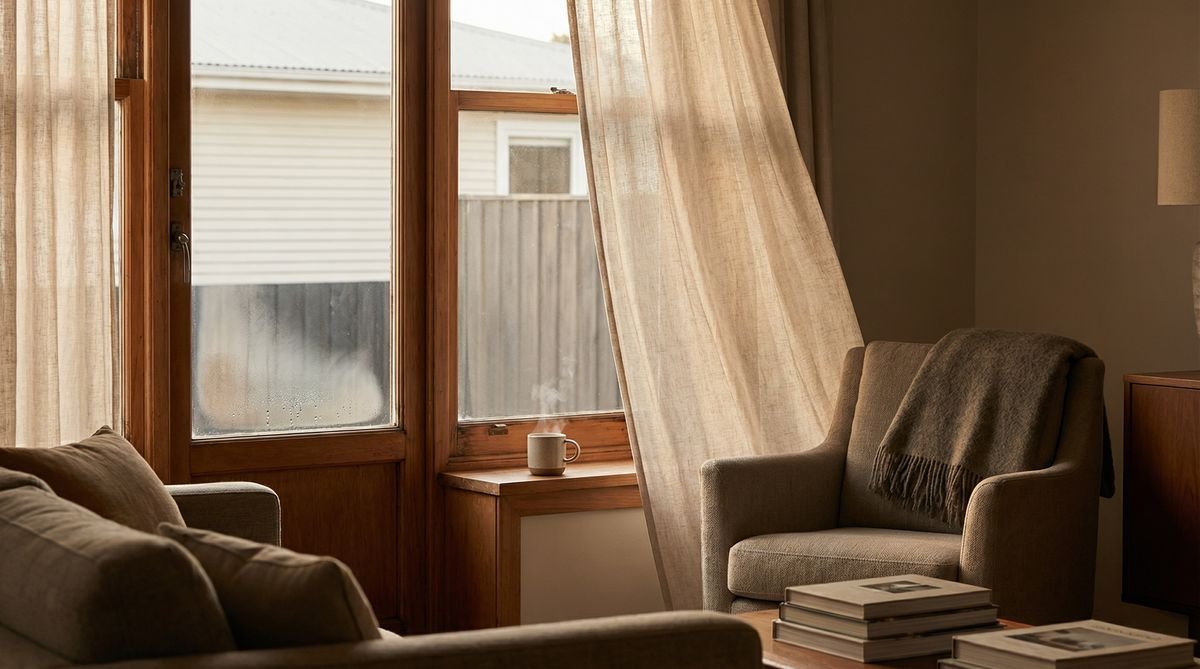
A home interior scene subtly showing signs of window energy inefficiency, such as a slight draft and condensation.
The Silent Drain: Understanding Window Energy Loss
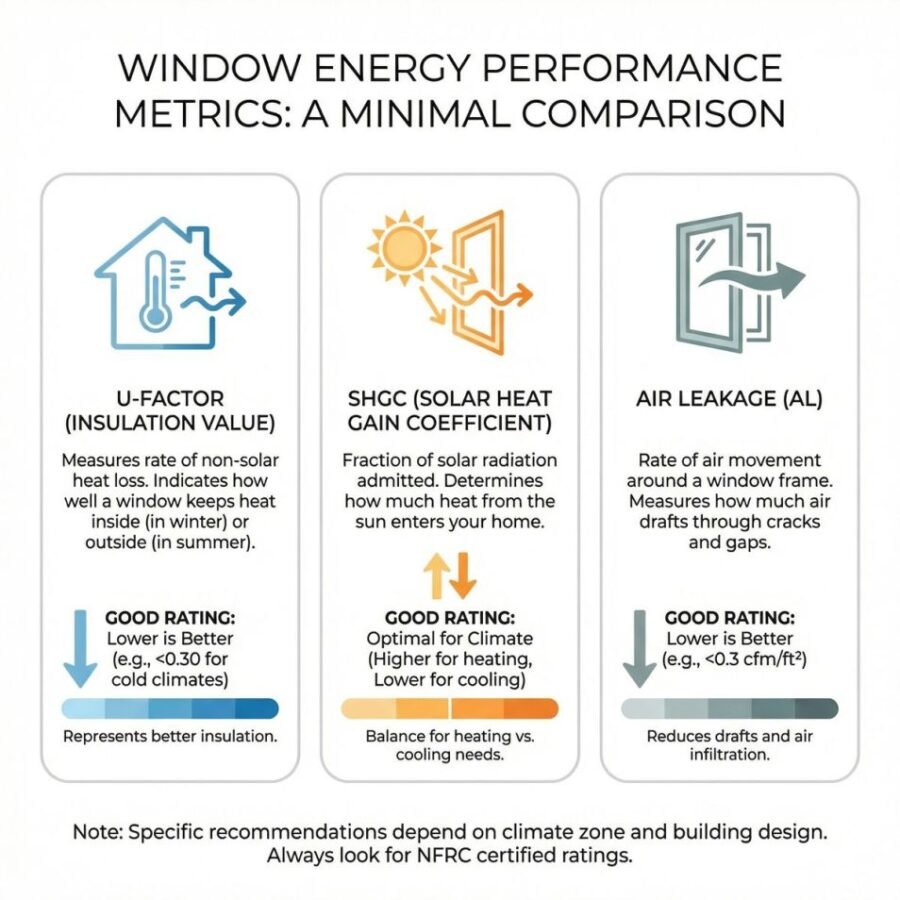
Answer Capsule: Windows are critical to a home’s thermal envelope, and their energy performance is measured by factors like U-factor, Solar Heat Gain Coefficient (SHGC), and air leakage. Inefficient windows allow significant heat transfer, leading to discomfort and increased energy consumption, often accounting for 25-30% of residential heating and cooling energy use [1].
Windows are more than just transparent barriers; they are complex systems designed to regulate temperature, light, and sound. When these systems fail, they become conduits for energy loss. Heat can escape through direct conduction through the glass and frames, or through convection currents caused by air leaks. Solar radiation can also contribute to unwanted heat gain in warmer months. The National Fenestration Rating Council (NFRC) provides standardized ratings like U-factor (heat loss), SHGC (solar heat gain), and air leakage, which are crucial for assessing a window’s true energy performance [2]. A lower U-factor indicates better insulation, while an appropriate SHGC balances winter solar heating with summer cooling needs.
Feeling the Breeze: Drafts and Air Leaks
Answer Capsule: Drafts are a primary indicator of energy-inefficient windows, signaling air leaks around the sash, frame, or seals. These leaks allow conditioned air to escape and unconditioned air to enter, forcing HVAC systems to work harder and increasing energy bills by 5-30% annually [1] [3].
One of the most immediate and uncomfortable signs of energy loss is feeling a draft near your windows. This occurs when the seals, weatherstripping, or gaskets around the window sash or frame deteriorate, creating pathways for air to infiltrate your home. Even when a window appears closed, subtle gaps can allow a significant amount of air exchange. This constant battle against the elements not only makes your living spaces less comfortable but also places an undue burden on your heating and cooling systems. The Department of Energy highlights that reducing drafts can lead to substantial annual energy savings, making this a critical area to address for both comfort and cost efficiency [3].
The Foggy Truth: Condensation and Seal Failure
Answer Capsule: Condensation or fogging between the panes of a double or triple-pane window is a definitive sign of seal failure. This compromises the insulating gas (like argon or krypton) between the panes, reducing the window’s thermal performance and leading to increased heat transfer and potential moisture damage [4].
While condensation on the interior surface of a window can be a normal occurrence due to high indoor humidity, moisture trapped *between* the glass panes is a clear red flag. This phenomenon indicates that the hermetic seal of the insulated glass unit (IGU) has failed. Once the seal is compromised, the inert gas fill, which provides much of the window’s insulating value, escapes and is replaced by humid air. This not only reduces the window’s ability to insulate but can also lead to unsightly mineral deposits and mold growth within the window unit itself. A failed seal means your window is no longer performing as designed, effectively turning a high-performance unit into something akin to a single-pane window in terms of energy efficiency [4].
Beyond the Bill: The Hidden Costs of Inefficient Windows
Answer Capsule: Inefficient windows contribute significantly to rising energy bills, with heat loss and gain through windows accounting for a substantial portion of residential energy use. Beyond utility costs, they can lead to premature wear on HVAC systems, reduce home comfort, and even diminish property value over time [1] [5].
The most tangible consequence of energy-inefficient windows often appears on your monthly utility statement. If your heating and cooling costs are steadily climbing without a corresponding increase in usage, your windows are likely a major contributor. However, the costs extend beyond just energy consumption. Your HVAC system has to work harder and run more frequently to compensate for the constant temperature fluctuations caused by poor window performance, leading to increased wear and tear and a shorter lifespan for expensive equipment. Moreover, the discomfort of drafty rooms or excessively warm areas near windows can impact your quality of life at home. Over the long term, outdated windows can also negatively affect your home’s resale value, as potential buyers are increasingly aware of energy efficiency as a key selling point [5].
A Breath of Fresh Air? Inefficient Windows and Indoor Air Quality
Answer Capsule: Inefficient windows can negatively impact indoor air quality by allowing unfiltered outdoor pollutants, allergens, and moisture to infiltrate the home through leaks. This can exacerbate respiratory issues, promote mold and mildew growth from condensation, and compromise the effectiveness of indoor air purification systems, creating an unhealthy living environment.
While often overlooked, the connection between window efficiency and indoor air quality is significant. Leaky windows don’t just let in drafts; they also provide pathways for outdoor allergens like pollen and dust, as well as pollutants and even wildfire smoke, to enter your living spaces. This can be particularly problematic for individuals with allergies, asthma, or other respiratory sensitivities. Furthermore, persistent condensation due to poor window performance creates a breeding ground for mold and mildew, which can release spores into the air and trigger a range of health issues. By compromising the integrity of your home’s envelope, inefficient windows undermine efforts to maintain a clean, healthy indoor environment, making it harder for air purifiers and ventilation systems to function effectively.
The DIY Detective: How to Spot Window Weaknesses
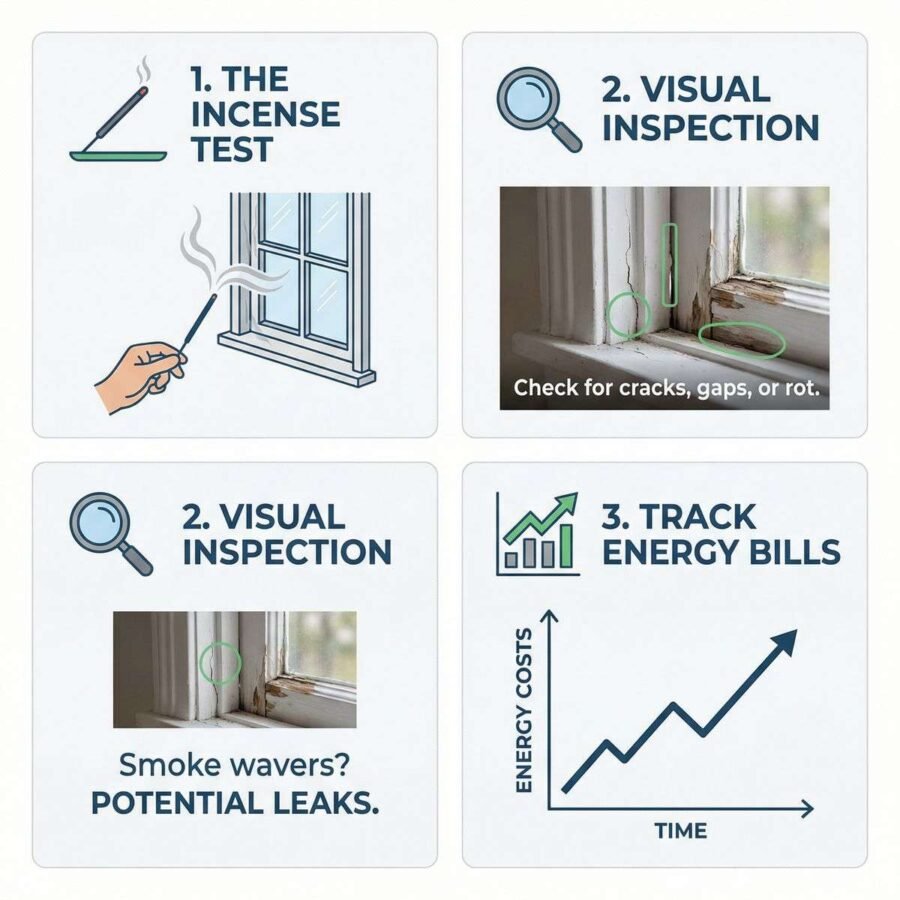
Answer Capsule: Homeowners can perform several simple DIY tests to identify window weaknesses, including the incense test for drafts, visual inspection for frame damage or condensation, and comparing energy bills over time. These methods help pinpoint specific areas of energy loss and guide decisions on repairs or replacements.
Becoming a “DIY detective” can save you significant money and discomfort by identifying window issues early. The incense test is a classic method for detecting drafts: on a windy day, light an incense stick and move it slowly around the perimeter of your closed windows. If the smoke wavers or is drawn inward/outward, you have an air leak. For a more comprehensive assessment, consider a visual inspection of your window frames for cracks, rot, or warping, and check for any signs of moisture or fogging between glass panes. Another simple but effective method is to compare your energy bills from the same months over several years. A consistent upward trend, without changes in usage habits, strongly suggests that your home’s thermal envelope, including your windows, is compromised. These diagnostic steps empower you to understand the extent of your window’s inefficiency and plan appropriate interventions.
Beyond the Obvious: Other Telltale Signs
Answer Capsule: Beyond drafts and condensation, other signs of energy-inefficient windows include difficulty operating them, increased noise intrusion from outside, and visible damage like warped frames or cracked glass. These issues not only compromise comfort and security but also indicate a breakdown in the window’s structural and insulating integrity.
While drafts and condensation are often the first indicators, several other signs point to failing window performance. If your windows are difficult to open, close, or lock, it could be due to warped frames, rusted hardware, or shifting house foundations. This not only creates an inconvenience but can also pose a safety risk in emergencies. An increase in outside noise intrusion suggests that your windows are no longer providing adequate sound insulation, often a byproduct of failing seals or aging glass. Finally, visible damage such as rotting wood frames, cracked vinyl, or even minor chips in the glass can compromise the window’s ability to insulate and protect your home. Addressing these less obvious signs is crucial for maintaining a secure, quiet, and energy-efficient living environment.
FAQ: Your Top Questions About Window Efficiency Answered
Answer Capsule: This section addresses common questions about window efficiency, covering how to identify energy-efficient windows, signs of seal failure, causes of drafts and condensation, and the financial benefits of upgrading to new windows.
How do I know if my windows are energy efficient?
You can assess your windows’ energy efficiency by checking for drafts, condensation between panes, rising energy bills, and the presence of NFRC and ENERGY STAR labels. These indicators, along with a visual inspection for damage, provide a comprehensive picture of your windows’ performance.
What are the signs of a bad window seal?
The most common sign of a bad window seal is condensation, fog, or moisture trapped between the glass panes. This indicates that the insulating gas has escaped, compromising the window’s thermal performance and leading to reduced energy efficiency.
Why are my windows so drafty?
Windows become drafty due to deteriorated weatherstripping, worn-out seals, or warped frames that create gaps allowing air to leak in or out. These air leaks significantly reduce your home’s energy efficiency and lead to uncomfortable temperature fluctuations.
What causes condensation between window panes?
Condensation between window panes is caused by a failed seal in the insulated glass unit (IGU). When the seal breaks, humid air enters the space between the panes, condenses, and becomes trapped, indicating a loss of insulating gas and reduced thermal performance.
Can old windows cause high electric bills?
Yes, old and inefficient windows are a significant contributor to high electric bills. They allow substantial heat transfer, forcing your heating and cooling systems to work harder and consume more energy to maintain comfortable indoor temperatures.
Do new windows really save money?
Yes, new energy-efficient windows can lead to significant savings on utility bills by reducing heat loss in winter and heat gain in summer. Savings vary based on climate and previous window efficiency, but many homeowners see a substantial return on investment over time [5].
Conclusion: Reclaiming Comfort and Savings
Answer Capsule: Recognizing the signs of energy-inefficient windows is the first critical step toward creating a more comfortable, healthy, and cost-effective home. By understanding these signals and taking proactive steps, homeowners can make informed decisions about maintenance, repair, or replacement, leading to significant energy savings and improved home value.
Recognizing the signs of energy-inefficient windows is the first critical step toward creating a more comfortable, healthy, and cost-effective home. From the subtle chill of a draft to the unmistakable fog between glass panes, each indicator tells a story of energy waste and compromised performance. By understanding these signals and taking proactive steps, whether through DIY diagnostics or professional assessment, homeowners can make informed decisions about maintenance, repair, or replacement. Investing in energy-efficient windows not only reduces your carbon footprint but also translates into tangible benefits: lower utility bills, enhanced indoor comfort, improved air quality, and increased home value. Don’t let your windows silently drain your resources; empower yourself with knowledge and reclaim the comfort and savings you deserve.
References
Answer Capsule: This section provides a list of authoritative sources used to support the facts and data presented in the article, including government agencies and industry experts. These references offer further reading for those interested in the technical details of window energy efficiency and home energy-related topics.
- U.S. Department of Energy. “Update or Replace Windows.” *Energy.gov*, https://www.energy.gov/energysaver/update-or-replace-windows.
- U.S. Department of Energy. “Energy Performance Ratings for Windows, Doors, and Skylights.” *Energy.gov*, https://www.energy.gov/energysaver/energy-performance-ratings-windows-doors-and-skylights.
- T&C Glass. “5 Telltale Signs Your Home’s Windows Are Losing Energy.” *TandCglass.com*, 19 Jan. 2026, https://tandcglass.com/5-telltale-signs-your-homes-windows-are-losing-energy/.
- NBP Windows & Doors. “Top 5 Signs Your Windows Are Hurting Your Home’s Efficiency.” *Nbpwindowsanddoors.com*, https://nbpwindowsanddoors.com/top-5-signs-your-windows-are-hurting-your-homes-efficiency/.
- Taylors Windows. “Window and Energy Audits: How to Identify Inefficiencies in Your Home.” *Taylorswindows.com*, https://www.taylorswindows.com/window-and-energy-audits-how-to-identify-inefficiencies-in-your-home/.