
A property inspection is a critical step in any real estate transaction, offering invaluable insights into the condition of a potential home or commercial building. It serves as a protective measure for buyers, identifying potential issues that could lead to significant expenses down the line. For sellers, a pre-listing inspection can streamline the sales process by addressing concerns proactively. This guide delves into the intricacies of property inspections, equipping you with the knowledge to navigate this essential process effectively.

What is a Property Inspection and Why is it Crucial?
A property inspection is a non-invasive visual examination of a property’s physical structure and systems, conducted by a qualified professional. It is crucial because it uncovers defects or potential problems that may not be apparent to the untrained eye, protecting buyers from unforeseen costs and providing sellers with transparency. According to the American Society of Home Inspectors (ASHI) (2023), a thorough inspection can reveal issues ranging from minor repairs to major structural concerns, influencing negotiation strategies and overall transaction decisions.
Key Components of a Comprehensive Property Inspection
A comprehensive property inspection systematically evaluates various elements of a property to assess its overall condition. Inspectors examine the structural integrity, electrical systems, plumbing, HVAC, roofing, and exterior components, providing a detailed report on their findings. Understanding these key areas helps both buyers and sellers appreciate the depth of the inspection process and the value it adds to a real estate transaction. The inspection process ensures that all critical aspects of a property are thoroughly assessed, providing peace of mind and informed decision-making for all parties involved. According to the International Association of Certified Home Inspectors (InterNACHI) (2024), a standard inspection covers over 400 items, ensuring a detailed assessment of the property’s health.
Structural Integrity and Foundation
The foundation is the bedrock of any property, and its integrity is paramount. Inspectors look for cracks, shifts, or signs of water intrusion that could indicate significant structural problems. Issues here can be costly to repair, making this a critical focus area during any property inspection. A compromised foundation can lead to widespread damage throughout the entire structure, affecting walls, floors, and even the roof.
Electrical Systems and Safety
Modern homes rely heavily on safe and efficient electrical systems. Inspectors check wiring, panels, outlets, and grounding to ensure they meet current safety standards and are free from hazards like exposed wires or overloaded circuits. Outdated or faulty electrical systems pose fire risks and can be expensive to upgrade. Ensuring the electrical system is up to code is vital for the safety of occupants and the prevention of property damage.
Plumbing and Water Systems
From faucets to drainage, the plumbing system is vital for daily living. Inspectors examine pipes, fixtures, water heaters, and drainage systems for leaks, corrosion, and proper functionality. Water damage can be extensive and costly, so a thorough plumbing inspection is essential. Even small leaks can lead to significant mold growth and structural decay over time, making early detection crucial.
HVAC: Heating, Ventilation, and Air Conditioning
A functional HVAC system is crucial for comfort and energy efficiency. Inspectors test heating and cooling units, ductwork, and thermostats to ensure they are operating correctly and efficiently. Malfunctioning HVAC systems can lead to high utility bills and uncomfortable living conditions. Regular maintenance and proper functioning of these systems contribute significantly to indoor air quality and overall comfort.
Roofing and Exterior Elements
The roof and exterior protect the property from the elements. Inspectors assess the condition of roofing materials, gutters, flashing, siding, windows, and doors for signs of wear, damage, or improper installation. Exterior issues can lead to water penetration and further damage to the interior. A well-maintained exterior is the first line of defense against environmental factors, preserving the property’s structural integrity and aesthetic appeal.
Understanding the Inspection Report and Its Implications
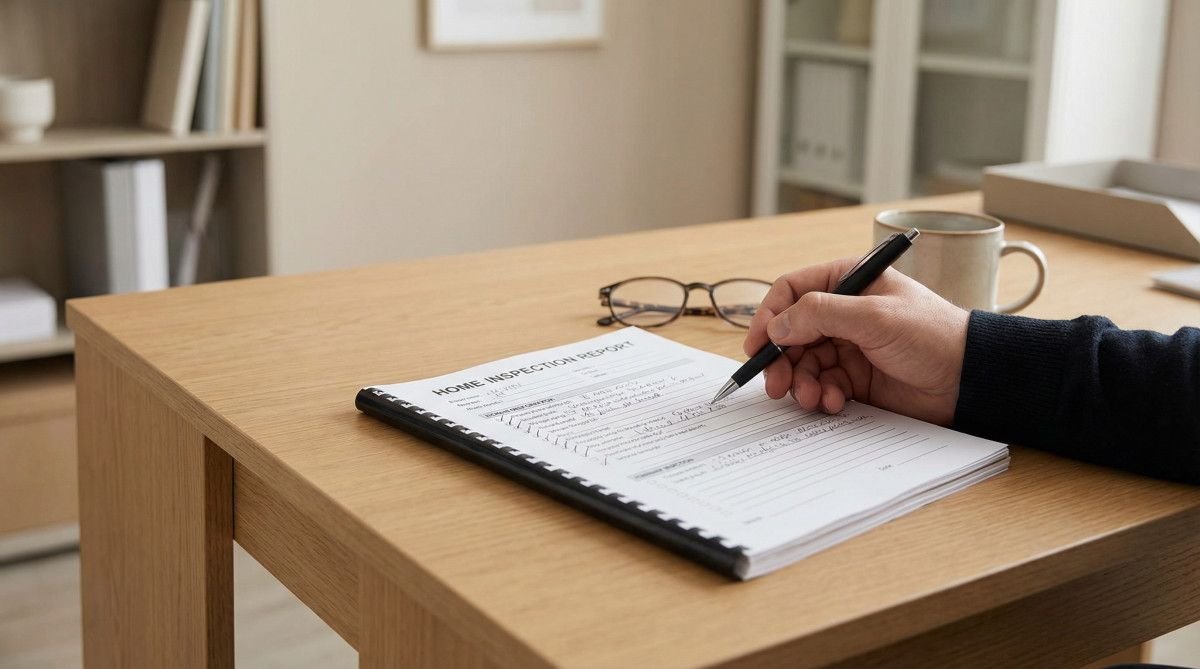
The inspection report is a comprehensive document detailing the inspector’s findings, often including photographs and recommendations. It is vital to read this report carefully, as it outlines both minor and major deficiencies, providing a clear picture of the property’s condition. This report empowers buyers to make informed decisions and can be a powerful tool in negotiations, potentially leading to repairs, price adjustments, or even withdrawal from the purchase if significant issues are present. The report serves as a detailed roadmap for understanding the property’s current state and any necessary actions. For further guidance on interpreting inspection reports, resources like the U.S. Department of Housing and Urban Development (HUD) offer valuable insights: HUD Home Inspection FAQs.
Common Issues Uncovered During Property Inspections
Property inspections frequently reveal a range of issues, from minor cosmetic flaws to significant structural concerns. Understanding these common problems can help buyers anticipate potential challenges and sellers prepare their properties. Issues often include roofing defects, plumbing leaks, electrical hazards, HVAC malfunctions, and foundation cracks, each carrying varying degrees of repair complexity and cost. Awareness of these prevalent issues allows for proactive planning and negotiation. According to a study by HomeAdvisor (2023), the most common home inspection problems include issues with roofing, electrical wiring, and plumbing systems, often requiring immediate attention.
| Issue Category | Common Examples | Potential Impact |
|---|---|---|
| Structural | Foundation cracks, sagging floors, damaged support beams | High repair cost, safety risk, property value decrease |
| Electrical | Outdated wiring, faulty outlets, overloaded circuits | Fire hazard, electrical shock risk, non-compliance with codes |
| Plumbing | Leaking pipes, water heater issues, drainage problems | Water damage, mold growth, increased utility bills |
| HVAC | Malfunctioning furnace/AC, poor ventilation, dirty ducts | Discomfort, high energy costs, poor air quality |
| Roofing | Missing shingles, leaks, damaged flashing, poor drainage | Water damage, structural rot, pest infestation |
Making Informed Decisions After the Inspection
The property inspection is not the end of the process but rather a crucial turning point. Based on the findings, buyers have several options: proceeding with the purchase, negotiating repairs or a price reduction, or withdrawing their offer. It is essential to consult with real estate agents and legal counsel to understand the implications of the report and make decisions that align with your best interests. According to the National Association of Realtors (NAR) (2024), a significant percentage of real estate transactions involve some form of negotiation following a home inspection. Strategic decision-making at this stage can significantly impact the financial and practical outcomes of the property acquisition.
| Decision Path | Description | Considerations |
|---|---|---|
| Proceed with Purchase | Accept the property’s condition as is or with minor agreed-upon fixes. | Minor issues, acceptable risks, strong market. |
| Negotiate Repairs/Credits | Request seller to fix issues or provide financial credit for repairs. | Significant issues, reasonable repair costs, balanced market. |
| Withdraw Offer | Cancel the purchase agreement due to unacceptable inspection findings. | Major structural defects, extensive unforeseen costs, safety concerns. |
FAQ: Frequently Asked Questions About Property Inspections
Q: How long does a typical property inspection take?
A: A standard property inspection for an average-sized home typically takes between 2 to 4 hours, depending on the property’s size and complexity.
Q: What does a property inspector look for?
A: Inspectors examine the structural components, foundation, roof, HVAC, plumbing, electrical systems, and exterior elements for defects or safety concerns.
Q: Should I attend the property inspection?
A: Attending the inspection is highly recommended as it allows you to ask questions directly and gain a clearer understanding of the property’s condition.
Q: Can a house fail a property inspection?
A: A house cannot technically fail an inspection, but significant issues can lead to a buyer withdrawing their offer or renegotiating terms.
Q: What is not included in a standard property inspection?
A: Standard inspections typically do not include specialized assessments like mold, asbestos, radon, or pest inspections, which often require separate experts.
Conclusion:
The property inspection process, while seemingly complex, is a fundamental safeguard in real estate transactions. It provides clarity, reduces risk, and empowers all parties to make informed decisions. By understanding what an inspection entails, what to look for in a report, and how to act on the findings, you can navigate the path to property ownership or sale with greater confidence and peace of mind. Investing in a thorough property inspection is an investment in your future, ensuring the longevity and safety of your valuable asset.
You Might Also Like...
 The Ultimate Guide to Sewer Line Inspection: Protect Your Home and Your Wallet
 Structural Integrity Assessment: Ensuring the Safety and Longevity of Your Property
 The Home Appraisal Process: Your Essential Guide to Valuation
 The Ultimate Guide to Eco-Friendly Plumbing Fixtures: Save Water, Energy, and Money
