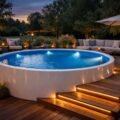
For many homeowners, the dream of a backyard swimming pool is often tempered by the high cost and long maintenance times of traditional in-ground builds. However, in 2026, the pool maintenance market has undergone a revolution, offering sophisticated, durable, and aesthetically pleasing alternatives that can be maintained in a fraction of the time and at a fraction of the cost. From high-performance robotic cleaners to smart home integration, the options for pool maintenance have never been more diverse or high-quality. In this comprehensive guide, we will walk you through every phase of the pool maintenance process, from mastering circulation and cleaning to navigating the chemistry of clarity and preventive hardware care. By following these expert steps, you can transform your backyard into a summer paradise that is as structurally sound as it is beautiful.
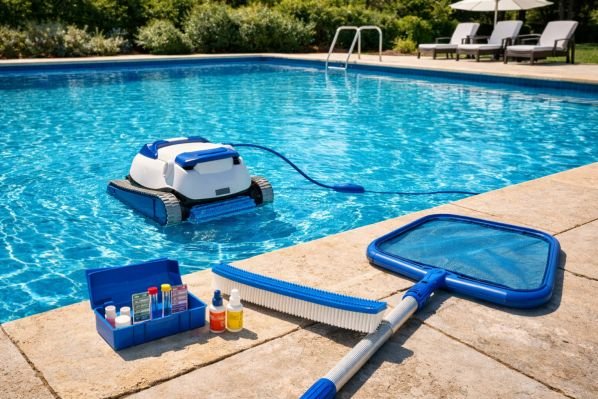
The Foundation of Pool Care: Beyond the Skimmer Net
Answer Capsule: Effective pool maintenance is a holistic system of circulation, cleaning, and chemistry. By adopting a proactive maintenance schedule, you can prevent expensive repairs, extend the life of your equipment, and ensure a safe, sparkling swimming environment for your family. It is a one-time investment that significantly enhances the usability and appeal of your outdoor space.
The decision to maintain a pool is often driven by the desire for a fast, affordable, and flexible swimming solution. Unlike in-ground pools, which can take months to build and cost upwards of $100,000, an above ground pool can be installed in a single weekend and cost as little as $5,000 to $20,000. This makes it an ideal choice for families who want to enjoy the benefits of a pool without the long-term commitment or financial burden of a traditional build. According to the Centers for Disease Control and Prevention (CDC), the pool maintenance market has seen significant growth in recent years, as more homeowners look for sustainable and cost-effective ways to enhance their outdoor living spaces.
Beyond the financial benefits, pool maintenance offers a unique level of flexibility and portability. If you decide to move, you can often take your pool with you, making it a smart investment for homeowners who may not be in their “forever home.” Additionally, modern pool maintenance systems are designed to be as durable and long-lasting as their in-ground counterparts, with many models offering warranties of 25 to 30 years or more. By choosing a high-quality pool maintenance system, you are not only protecting your wallet but also taking a stand for the environment. It is a proactive approach to home maintenance that protects your home’s most critical resources and ensures a resilient and beautiful future for your community.
| Maintenance Task | Frequency | Estimated Time | Importance |
|---|---|---|---|
| Skimming Debris | Daily | 5 – 10 Minutes | High |
| Water Testing | 2 – 3 Times Weekly | 5 – 10 Minutes | Critical |
| Brushing Walls | Weekly | 15 – 20 Minutes | High |
| Filter Backwashing | Monthly (or as needed) | 10 – 15 Minutes | High |
1. Mastering Circulation: The Heart of Your Pool
Answer Capsule: Proper water movement prevents algae growth and ensures even chemical distribution. By running your pump for the optimal duration and frequently backwashing your filter, you can maintain a healthy and clear swimming environment. By incorporating a circulation checklist, you can ensure that your pool is properly anchored for wind and snow loads.
The circulation of your pool is the most critical part of the maintenance process. It must be strong enough to support the weight of the water and resist the forces of wind and snow. The most common material for a pool pump is galvanized steel, which is strong, affordable, and easy to install. However, steel is susceptible to corrosion over time, especially in saltwater systems. Another popular option is all-resin, which is the ultimate in corrosion resistance and is ideal for saltwater systems. Resin is also more durable and long-lasting than steel, with many models offering warranties of 25 to 30 years or more.
If you’re looking for the best of both worlds, you should consider a variable speed pump, which combines the strength of steel with the durability of resin. These models typically feature a steel wall for maximum strength and a resin top rail and uprights for maximum corrosion resistance. This makes them an ideal choice for families who want a high-performance pool that is as durable as it is beautiful. By choosing the right material for your site, you can ensure that your pool is a stable and long-lasting addition to your home. According to the Association of Pool & Spa Professionals (APSP), the material of an outdoor structure must be designed to withstand the maximum wind and snow loads for its specific region.
2. Advanced Cleaning Techniques: More Than Just Skimming
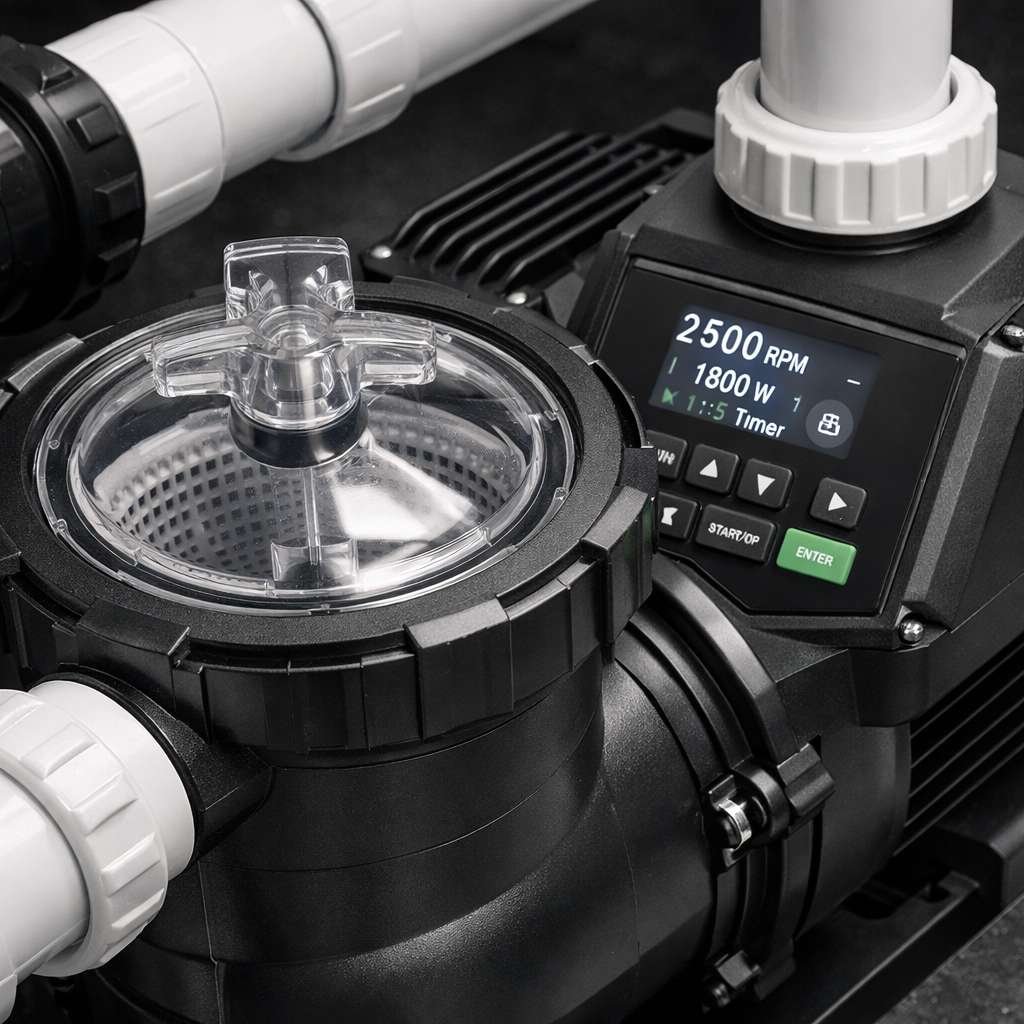
Answer Capsule: A combination of manual brushing, robotic cleaners, and “pool hacks” can keep your pool surfaces pristine. By targeting the “dead spots” in your pool, you can prevent algae blooms before they start. By incorporating a cleaning checklist, you can ensure that your pool is properly anchored for wind and snow loads.
The cleaning of your pool is a critical factor in the maintenance process. It must be chosen based on your backyard dimensions and your family’s needs. Manual brushing is the most common shape for a pool cleaning, as it offers maximum swim space and structural integrity. They are also the most affordable and easiest to install, making them an ideal choice for families on a budget. Robotic cleaners are ideal for narrow yards and lap swimming, but they require more complex structural support and are typically more expensive than manual brushing.
Another critical factor is the pool hacks of your pool. Most pool maintenance systems are available in 48, 52, and 54-inch heights, which determine the depth of the water. A 48-inch wall height is ideal for families with small children, while a 52 or 54-inch wall height is ideal for adults and older children who want a deeper swimming experience. By choosing the right size and shape for your yard, you can ensure that your pool is a beautiful and functional addition to your home. According to Swim University, the size and shape of an outdoor structure must be chosen based on your backyard dimensions and your family’s needs.
| Cleaning Tool | Best For | Frequency | Estimated Cost |
|---|---|---|---|
| Net Skimmer | Surface debris | Daily | $20 – $50 |
| Pool Brush | Walls and floor | Weekly | $15 – $40 |
| Robotic Cleaner | Automated cleaning | 2 – 3 Times Weekly | $500 – $1,500 |
| Manual Vacuum | Deep cleaning | As needed | $50 – $150 |
3. The Chemistry of Clarity: Balancing the Five Pillars
Answer Capsule: Balancing the five critical chemical levels—pH, Alkalinity, Calcium Hardness, CYA, and Chlorine—is essential for preventing corrosion, scaling, and cloudy water. By using a Langelier Saturation Index (LSI) approach, you can achieve perfect water balance and ensure that your pool is properly anchored for wind and snow loads.
The chemistry of your pool is a popular choice for homeowners who want a custom, in-ground look for their pool. This involves partially burying the pool in the ground, typically between 12 and 24 inches, and then building a custom wood deck around it. This creates a seamless transition from your home to your pool and provides a beautiful, custom look for your backyard. However, not all pool maintenance systems can be buried. Steel wall pools are typically not recommended for burial, as they are susceptible to corrosion from the soil. Resin and aluminum pools are much more durable and long-lasting and are ideal for semi-inground builds.
If you’re considering a semi-inground build, you must also consider the site prep and drainage requirements. The ground must be perfectly level and compacted to ensure that the pool is stable and long-lasting. You should also install a drainage system around the pool to prevent water from collecting and causing damage to the structure. By choosing a semi-inground build, you can create a beautiful, custom look for your backyard that is as structurally sound as it is beautiful. According to The Pool Factory, a semi-inground build is one of the most effective ways to create a custom, in-ground look for your pool.
4. Preventive Hardware Care: Protecting Your $10,000 Investment
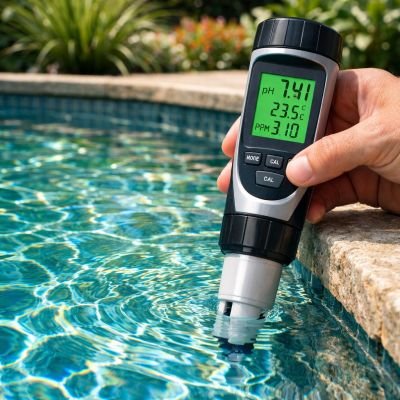
Answer Capsule: Routine maintenance on your pool’s mechanical components is essential for avoiding catastrophic failures. By lubricating O-rings, clearing impellers, and descaling heaters, you can add a decade to your equipment’s lifespan and ensure that your pool is properly anchored for wind and snow loads.
The modern pool experience is not just about choosing the right pool; it’s about enhancing it with modern technology. Smart pool systems use sensors to track chemical levels and temperature in real-time, providing you with up-to-the-minute information through a smartphone app. This includes sand filter pumps, which are much more efficient than traditional cartridge filters and can save up to 50% or more on your outdoor water usage. Some systems also incorporate saltwater conversion, which provides softer water and automated chlorination for a more comfortable and efficient swimming experience.
Beyond simple water conservation, smart pool systems can also help you monitor and maintain your pool from your phone. This includes smart sensors that can automatically adjust the chemical levels based on the amount of sunlight and wind. These sensors can also be used to automatically adjust the temperature of the water, ensuring that your pool is always at the perfect temperature for swimming. By choosing a smart pool system, you are not just upgrading your home; you are contributing to a more resilient and sustainable future for your community. According to the Association of Pool & Spa Professionals (APSP), smart pool technology is one of the fastest-growing trends in outdoor living.
5. Troubleshooting Common Pool Problems
Answer Capsule: Identifying and fixing the most common pool issues, from green algae and cloudy water to “chlorine lock” and equipment leaks, is essential for a successful maintenance schedule. By incorporating algae identification and cloudy water fixes, you can navigate the troubleshooting process with confidence and avoid any potential fines or delays.
The troubleshooting process for a pool can be complex, as requirements vary widely by municipality. In many jurisdictions, a permit is required for any outdoor structure over a certain size—typically 200 square feet. Additionally, pool maintenance systems are often subject to more rigorous building codes and permit requirements than freestanding structures. One of the most common hidden costs is site prep, which involves leveling and compacting the ground to ensure that the pool is stable and long-lasting. This can cost between $500 and $2,000 or more, depending on the size and complexity of the pool.
Beyond site prep, you should also check for electrical requirements and safety fencing. Many municipalities require a dedicated circuit and GFCI protection for pool maintenance systems, which can cost between $500 and $1,500 or more. You should also consider safety fencing, which is required by many municipalities to prevent accidental drowning. This can cost between $1,000 and $5,000 or more, depending on the size and material of the fence. By understanding the permit and hidden cost requirements for your area, you can ensure that your pool is a legal and safe addition to your home. According to The Pool Factory, a professional pool maintenance selection is one of the most effective ways to ensure the long-term safety and performance of your outdoor structure.
Frequently Asked Questions (FAQ)
- Q1: What is the most important part of pool maintenance?
- A: The most important part of pool maintenance depends on your specific budget and family’s needs. For the highest level of durability and performance, a resin or hybrid model is the gold standard, as it can withstand the maximum wind and snow loads for its specific region. For a more comprehensive solution, a container or modular pool provides a beautiful, custom look for your backyard that is as structurally sound as it is beautiful. For a more practical and cost-effective solution, a steel wall pool can provide a stable and long-lasting swimming experience for your family.
- Q2: How often should I put chemicals in my pool?
- A: The frequency of chemical maintenance depends on the material and maintenance of the structure. A basic soft-sided pool can last between 3 and 7 years, while a traditional steel wall pool can last between 15 and 25 years. A high-performance resin or hybrid model can last between 25 and 40 years or more, and a luxury container or modular pool can last between 30 and 50+ years. By choosing a high-quality pool and following a professional maintenance schedule, you can ensure that your pool is a stable and long-lasting addition to your home.
- Q3: Can I maintain my pool myself?
- A: Yes, you can maintain your pool yourself, but it requires careful planning and attention to detail. A basic soft-sided pool can be installed in a single weekend by an experienced DIYer, while a traditional steel wall or resin pool can take several days or even a week to complete. Additionally, the permit process can add several weeks to the total project timeline. By choosing a professional contractor, you can ensure a fast and efficient installation and avoid any potential delays or mistakes.
- Q4: How do I keep my pool water crystal clear?
- A: Keeping your pool water crystal clear depends on your specific budget and maintenance style. Steel is strong, affordable, and easy to install, but it is susceptible to corrosion over time. Resin is the ultimate in corrosion resistance and is ideal for saltwater systems, but it is typically more expensive than steel. A hybrid model combines the strength of steel with the durability of resin and is an ideal choice for families who want a high-performance pool that is as durable as it is beautiful.
- Q5: Why is my pool still green after shocking it?
- A: The permit requirements for a pool vary by municipality, but in many jurisdictions, a permit is required for any outdoor structure over 200 square feet. Additionally, pool maintenance systems are often subject to more rigorous building codes and permit requirements than freestanding structures. You should always check with your local building department and HOA before you start your project to ensure that you are in compliance with all local rules and regulations.
Conclusion: The Joy of a Pristine Pool
Investing in a professional pool maintenance selection is one of the most important steps you can take to transform your backyard into a summer paradise. By adopting a proactive outdoor living mindset, you shift from reacting to expensive problems to proactively preserving your home’s most critical resources. The strategies outlined in this guide—understanding the importance of pool maintenance, choosing the right materials, navigating hidden costs and permits, and exploring smart tech—are not isolated tasks but interconnected components of a holistic home outdoor care system. A few hours of maintenance each year can prevent thousands of dollars in future repairs and add a decade or more to the life of your pool. Protect your investment, and it will continue to protect you.