In an era of increasing environmental awareness and rising utility costs, the concept of “green plumbing” has moved from a niche trend to a mainstream necessity. Your home’s plumbing system is one of the most significant contributors to your daily environmental footprint, with the average American household using over 300 gallons of water per day. However, by upgrading to eco-friendly plumbing fixtures, you can reduce this consumption by up to 60% without sacrificing comfort or performance. In this comprehensive guide, we will explore the latest innovations in sustainable plumbing, from high-efficiency toilets to smart, touchless faucets, and show you how these upgrades can save you thousands of dollars in the long run.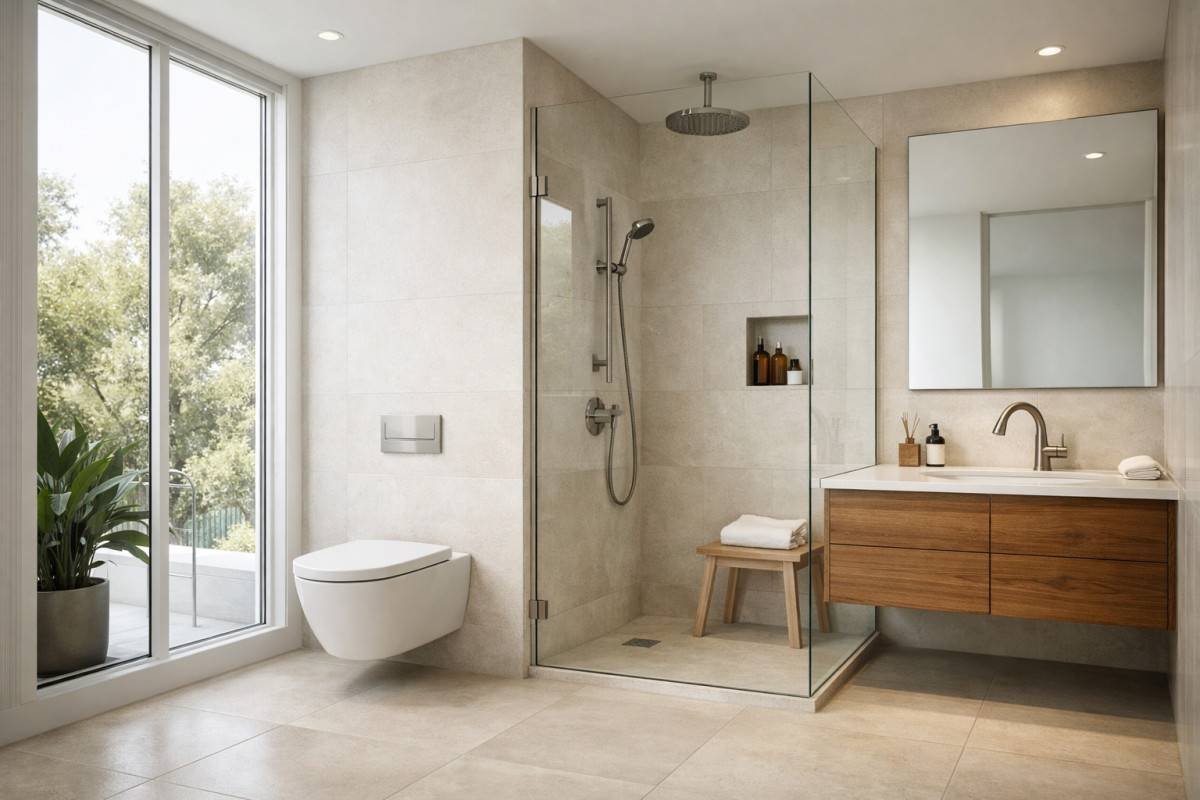
The Rise of Sustainable Plumbing: Why Eco-Friendly Fixtures Matter
Answer Capsule: Eco-friendly plumbing fixtures are designed to minimize water and energy waste through advanced engineering and smart technology. By reducing the volume of water used in daily tasks—such as flushing, showering, and washing—these fixtures help homeowners lower their environmental impact, conserve local water resources, and significantly reduce monthly utility bills.
The importance of sustainable plumbing extends far beyond simple water conservation. It is deeply rooted in the “Water-Energy Nexus,” the intrinsic link between the water we use and the energy required to heat, treat, and transport it. When you save water, you are also saving the energy that would have been used to pump it from its source and heat it for your shower or sink. This dual-saving effect makes eco-friendly plumbing one of the most effective ways to reduce your home’s overall carbon footprint.
According to the Environmental Protection Agency (EPA), if every home in the United States replaced its old, inefficient plumbing fixtures with WaterSense-labeled models, we could save more than 3 trillion gallons of water and more than $18 billion in utility costs annually. Beyond the financial benefits, sustainable plumbing helps protect local ecosystems by reducing the strain on municipal water supplies and decreasing the volume of wastewater that must be treated. By choosing eco-friendly fixtures, you are not just upgrading your home; you are contributing to a more resilient and sustainable future for your community.
| Fixture Type | Standard Flow Rate | Eco-Friendly Flow Rate | Annual Water Savings |
|---|---|---|---|
| Toilet | 3.5 – 5.0 GPF | 1.28 GPF or less | Up to 13,000 gallons |
| Showerhead | 2.5 GPM | 2.0 GPM or less | Up to 2,700 gallons |
| Bathroom Faucet | 2.2 GPM | 1.5 GPM or less | Up to 700 gallons |
1. High-Efficiency Toilets (HETs) and Dual-Flush Technology
Answer Capsule: Modern high-efficiency toilets (HETs) use advanced flushing mechanisms to reduce water consumption by up to 60% compared to older models. By incorporating dual-flush technology and pressure-assisted systems, these toilets provide superior performance while using as little as 1.28 gallons per flush (GPF).
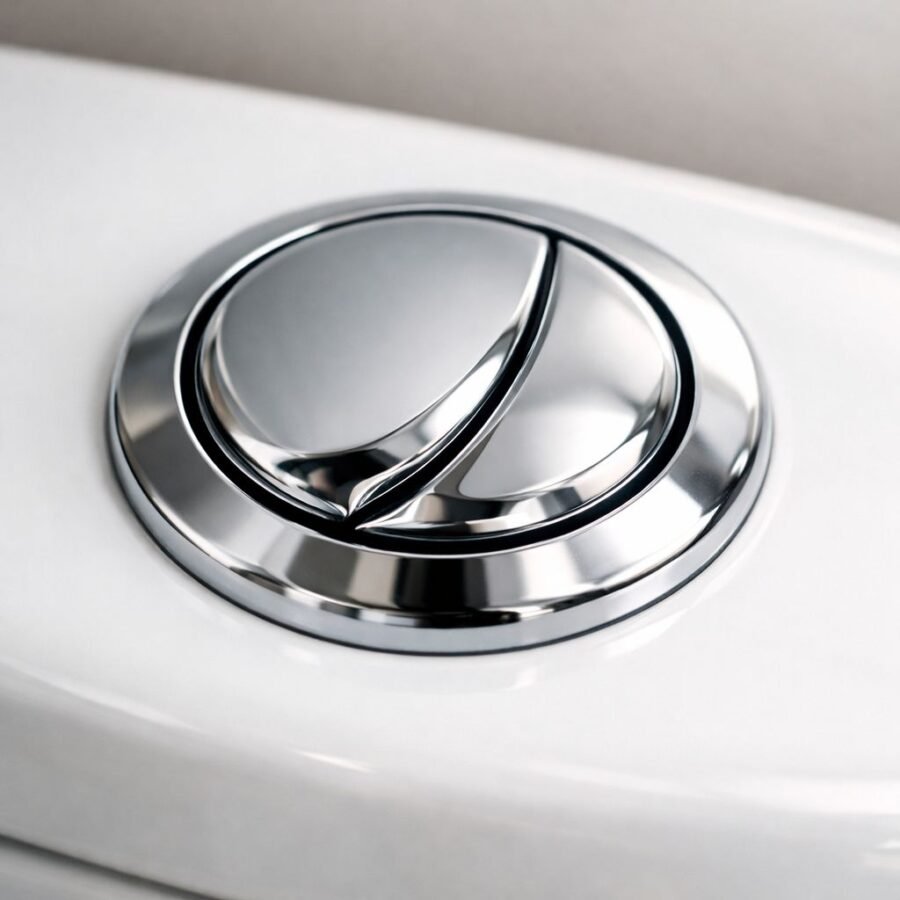
The toilet is the single largest water user in the average home, accounting for nearly 30% of indoor water consumption. Older toilets can use as much as 3.5 to 5.0 gallons per flush, while modern high-efficiency toilets (HETs) are designed to use 1.28 GPF or less. One of the most effective innovations in this area is dual-flush technology, which allows users to choose between a full flush for solids and a reduced flush (often 0.8 GPF) for liquids. This simple choice can save thousands of gallons of water per year for the average family.
Beyond water volume, the mechanics of the flush have also evolved. Pressure-assisted flushing systems use compressed air to force water into the bowl, providing a more powerful flush with less water. For those who prefer a quieter option, gravity-fed systems have been redesigned with larger trapways and more efficient rim jets to prevent clogs. When choosing a new toilet, look for its MaP Score (Maximum Performance), which measures how many grams of waste the toilet can flush in a single go. A score of 600g or higher is considered excellent, ensuring that your eco-friendly toilet doesn’t sacrifice performance for efficiency.
2. Low-Flow Showerheads and Faucet Aerators
Answer Capsule: Low-flow showerheads and faucet aerators maintain high pressure while using significantly less water per minute (GPM). By incorporating laminar flow and aerated flow technologies, these simple upgrades can reduce water and energy consumption by up to 50% without affecting the user experience.
Showering is another major contributor to residential water use, but it’s also an area where eco-friendly upgrades are incredibly simple and cost-effective. Standard showerheads use 2.5 gallons per minute (GPM), while WaterSense-labeled showerheads use 2.0 GPM or less. Many homeowners worry that low-flow means low pressure, but modern engineering has solved this problem. Aerated flow showerheads mix air with water to create a fuller, more powerful spray, while laminar flow showerheads use individual streams of water to provide a more drenching experience without the mist.
For bathroom and kitchen faucets, the most effective upgrade is the faucet aerator. This small, inexpensive device screws onto the end of the faucet and mixes air into the water stream, reducing the flow rate from 2.2 GPM to 1.5 GPM or less. This simple change can save the average family 700 gallons of water per year. For even greater efficiency, consider installing a thermostatic mixing valve (TMV). This device maintains a consistent water temperature, preventing the need to run the water while waiting for it to heat up, which saves both water and the energy used to heat it. These small, DIY-friendly upgrades are among the most impactful steps you can take toward a more sustainable home.
3. Smart Faucets and Touchless Technology
Answer Capsule: Smart faucets and touchless technology prevent water waste through precise control and automatic shut-off. By incorporating sensor-based technology and smart leak detection, these fixtures can alert you to hidden problems and integrate with home automation systems for maximum efficiency.
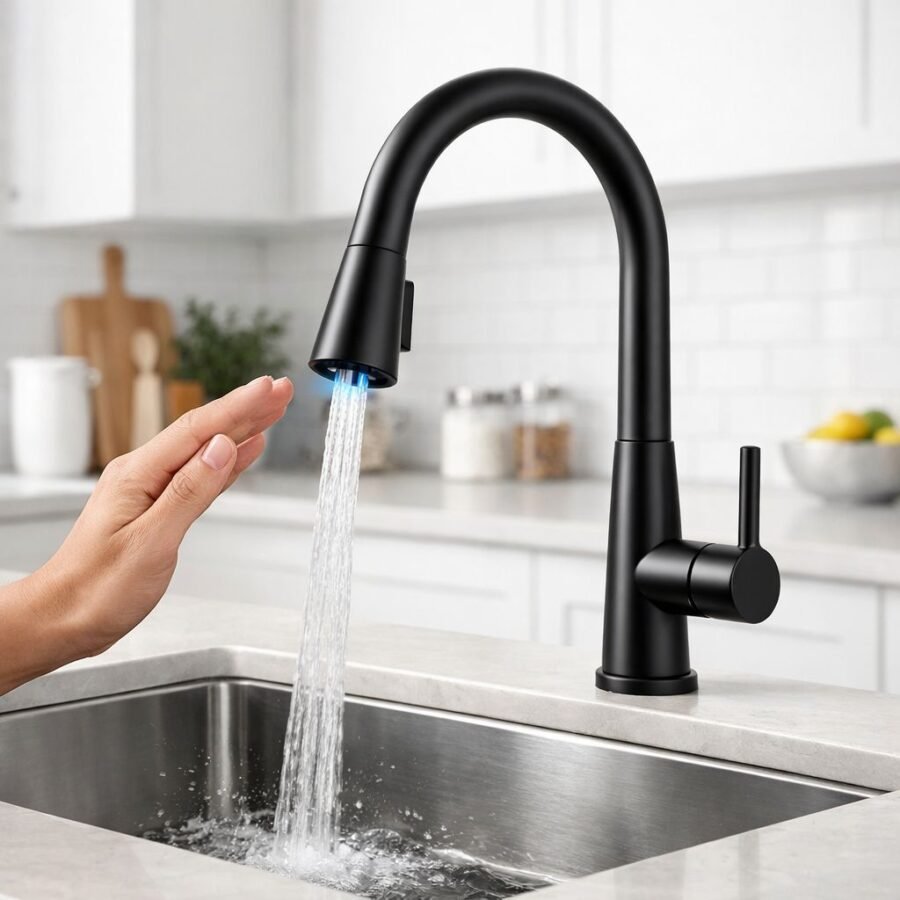
The kitchen and bathroom are the most common areas for water waste, but smart technology is changing that. Touchless faucets use sensors to detect the presence of hands, automatically turning the water on and off as needed. This simple feature can save thousands of gallons of water per year by preventing the faucet from running while you’re brushing your teeth or washing dishes. Additionally, smart faucets can be programmed to dispense a specific volume of water, such as a cup or a gallon, which is perfect for cooking and baking.
Beyond simple water conservation, smart plumbing systems can also help you detect hidden leaks. Smart leak detection devices can be installed on your main water line or on individual fixtures, and they can alert you to even the smallest leaks through a smartphone app. Some systems can even automatically shut off the water supply if a major leak is detected, preventing extensive water damage and saving you thousands of dollars in repair costs. By integrating these smart fixtures with your home automation system, you can monitor your water usage in real-time and make informed decisions about how to conserve water and energy.
4. Tankless and Point-of-Use Water Heating
Answer Capsule: Tankless and point-of-use water heating systems eliminate standby heat loss and provide on-demand hot water for maximum energy efficiency. By heating water only when it’s needed, these systems can reduce energy consumption by up to 30% compared to traditional tank-style water heaters.
Traditional tank-style water heaters are a major source of energy waste, as they constantly heat and store water even when it’s not needed. This process, known as standby heat loss, can account for a significant portion of your home’s energy consumption. Tankless water heaters, on the other hand, heat water only when it’s needed, providing a continuous supply of hot water without the energy waste. These systems are also much smaller than traditional tanks, saving valuable space in your home.
For even greater efficiency, consider point-of-use water heaters. These small, compact units are installed directly at the fixture, such as under a sink or in a bathroom, and they provide hot water instantly. This eliminates the need to run the water while waiting for it to travel from a central water heater, which saves both water and the energy used to heat it. While the initial cost of a tankless or point-of-use system can be higher than a traditional tank, the long-term energy savings and increased comfort make them a wise investment for any eco-friendly home. According to the Department of Energy (DOE), tankless water heaters can be 24% to 34% more energy-efficient than traditional tanks in homes that use 41 gallons or less of hot water daily.
5. The Future of Green Plumbing: Greywater and Beyond
Answer Capsule: Exploring advanced sustainable solutions like greywater recycling and rainwater harvesting for residential use is the next step in green plumbing. These systems reuse sink and shower water for toilet flushing and irrigation, reducing the environmental impact of fixture manufacturing and conserving local water resources.
The future of green plumbing is not just about saving water; it’s about reusing it. Greywater recycling is a process by which water from sinks, showers, and washing machines is collected, filtered, and reused for toilet flushing and irrigation. This simple system can reduce a home’s water consumption by up to 50% and decrease the volume of wastewater that must be treated. While greywater systems are still relatively new in the residential market, they are becoming increasingly popular as water scarcity becomes a major concern in many parts of the world.
Another advanced sustainable solution is rainwater harvesting. This process involves collecting rainwater from the roof and storing it in a cistern for later use in irrigation and toilet flushing. By using rainwater for these tasks, you can reduce your reliance on municipal water supplies and decrease the volume of stormwater runoff that can cause erosion and pollution. Additionally, many local governments offer rebate programs and financial incentives for homeowners who install greywater and rainwater harvesting systems. By choosing these advanced sustainable solutions, you are not just upgrading your home; you are contributing to a more resilient and sustainable future for your community.
Frequently Asked Questions (FAQ)
- Q1: What are the most eco-friendly plumbing fixtures?
- A: The most eco-friendly plumbing fixtures are those that carry the WaterSense label, which indicates that they meet the EPA’s criteria for water efficiency and performance. This includes high-efficiency toilets (HETs), low-flow showerheads, and faucet aerators. Additionally, smart faucets and touchless technology can prevent water waste through precise control and automatic shut-off. Tankless and point-of-use water heaters are also excellent choices for maximum energy efficiency.
- Q2: Do low-flow fixtures really save money?
- A: Yes, low-flow fixtures can save the average family hundreds of dollars per year in water and energy costs. By reducing the volume of water used in daily tasks, these fixtures help homeowners lower their monthly utility bills and conserve local water resources. Additionally, many local governments offer rebate programs and financial incentives for homeowners who upgrade to eco-friendly plumbing fixtures, which can help offset the initial cost of the upgrade.
- Q3: What is the WaterSense label?
- A: The WaterSense label is a voluntary program sponsored by the EPA that helps consumers identify water-efficient products and programs. Products that carry the WaterSense label are certified to be at least 20% more efficient than average products in that category and to perform as well as or better than their less-efficient counterparts. This includes toilets, showerheads, faucets, and irrigation controllers.
- Q4: Are touchless faucets more eco-friendly?
- A: Yes, touchless faucets are more eco-friendly than traditional faucets because they prevent water waste through precise control and automatic shut-off. By incorporating sensor-based technology, these fixtures can detect the presence of hands and automatically turn the water on and off as needed. This simple feature can save thousands of gallons of water per year by preventing the faucet from running while you’re brushing your teeth or washing dishes.
- Q5: How long do eco-friendly fixtures last?
- A: Eco-friendly plumbing fixtures are designed to be as durable as or more durable than traditional fixtures. High-efficiency toilets and low-flow showerheads can last for 15 to 20 years or more with proper maintenance. Smart faucets and touchless technology may have a slightly shorter lifespan due to the electronic components, but they are still designed to provide many years of reliable service. By choosing high-quality, eco-friendly fixtures, you can ensure that your home remains sustainable and cost-efficient for years to come.
Conclusion: Building a Sustainable Home, One Fixture at a Time
Building a sustainable home is an active process, not a passive hope. By adopting a green plumbing mindset, you shift from reacting to expensive problems to proactively preserving your home’s most critical resources. The strategies outlined in this guide—understanding the importance of sustainable plumbing, upgrading to high-efficiency toilets and low-flow showerheads, incorporating smart technology, and exploring advanced sustainable solutions—are not isolated tasks but interconnected components of a holistic green plumbing system. A few hours of maintenance each year can prevent thousands of dollars in future repairs and add a decade or more to the life of your plumbing system. Protect your investment, and it will continue to protect you.