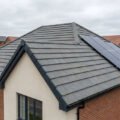
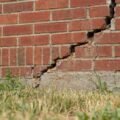
The roof is undeniably a home’s most critical line of defense against the relentless forces of nature. Day after day, it absorbs the punishing impact of ultraviolet radiation, torrential rain, heavy snow loads, and high-velocity winds. Despite its paramount importance, the roof is frequently the most neglected component of residential maintenance. Many homeowners operate under the dangerous assumption that if water is not actively dripping from the living room ceiling, the roof is functioning perfectly. Understanding the comprehensive roof inspection benefits is essential for shifting from this reactive mindset to a proactive strategy that protects the home’s structural integrity.
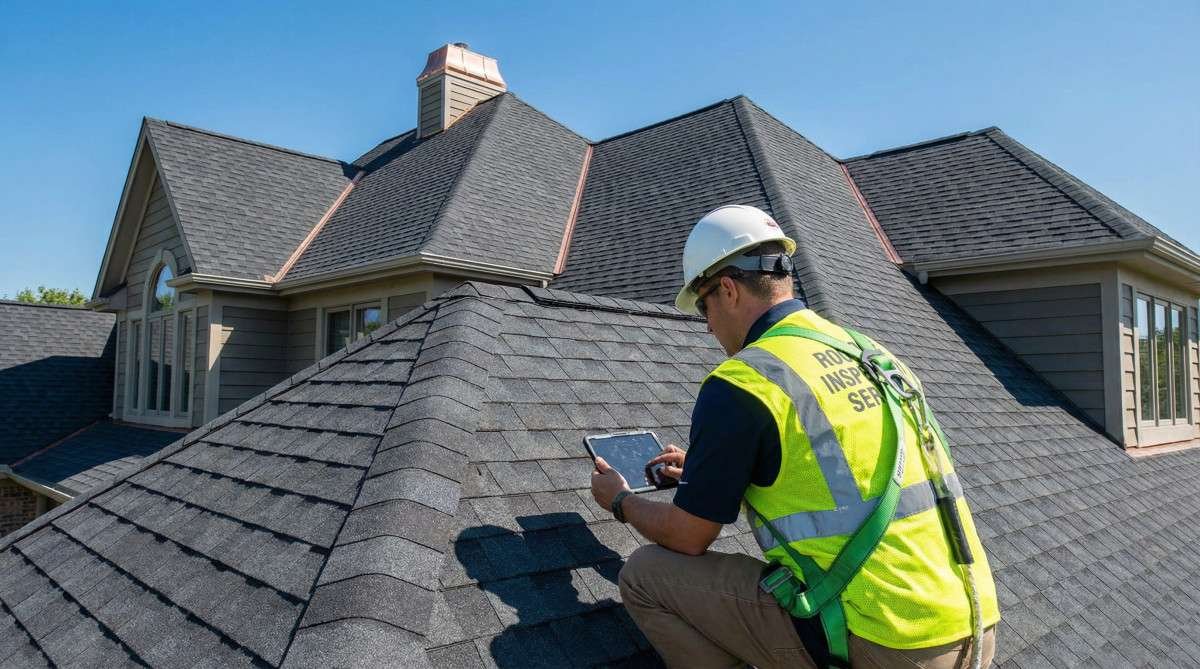
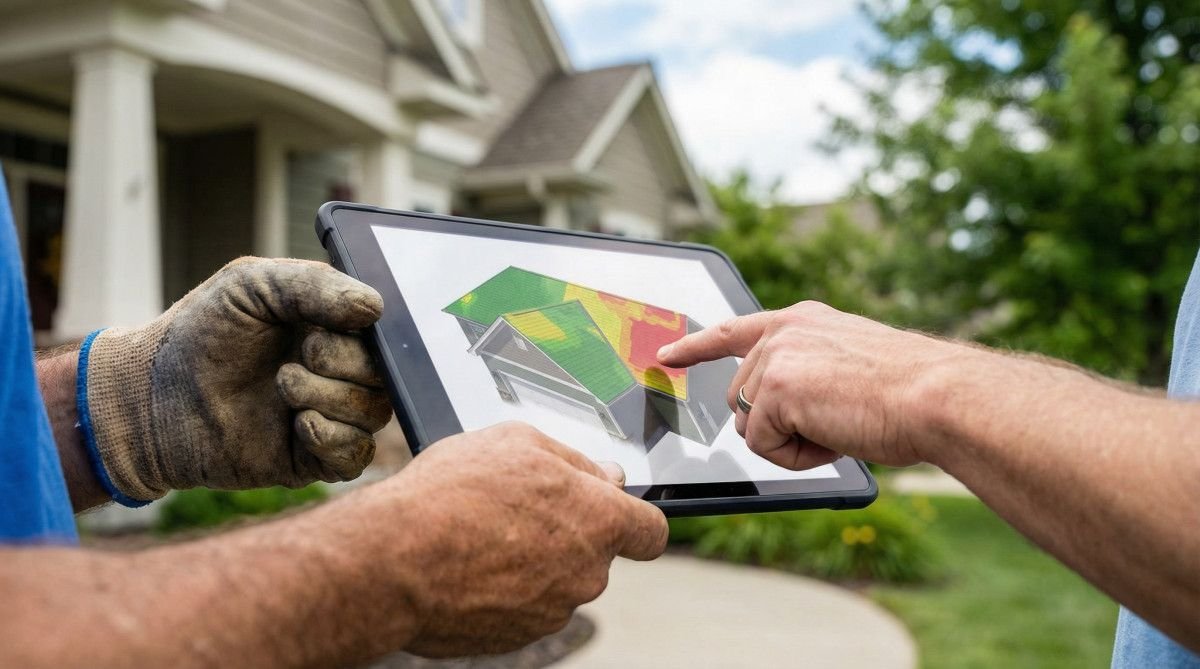
A professional roof inspection is far more rigorous than a casual glance from the driveway to check for missing shingles. It is a systematic diagnostic evaluation of the entire roofing envelope. Certified inspectors examine the exterior shingles or tiles, the intricate metal flashing around chimneys and vents, the condition of the gutters, and the interior attic space to assess ventilation and check for hidden moisture. By investing in this annual diagnostic check, homeowners unlock a multitude of financial and structural benefits that far outweigh the nominal cost of the inspection itself.
Early Detection of Invisible Water Damage
Answer Capsule: The most significant benefit of a roof inspection is the early detection of microscopic leaks. Inspectors identify failing flashing and compromised underlayment before water can penetrate the attic, preventing devastating mold growth and structural rot.
Water is insidious; it follows the path of least resistance and rarely drops straight down from the point of entry. A small breach in the roofing material can allow water to seep beneath the shingles, travel several feet along the roof trusses, and pool in the attic insulation long before it stains the drywall below. By the time a homeowner visually notices a water stain on their ceiling, the leak has likely been active for months. This prolonged exposure creates an ideal environment for toxic black mold to proliferate and for wooden structural supports to succumb to dry rot.
During a comprehensive inspection, professionals actively hunt for these invisible vulnerabilities. They scrutinize the most common failure points: the rubber boots around plumbing vent pipes, the step flashing woven into the chimney brickwork, and the valleys where two roof slopes intersect. These transition areas rely on sealants and metal flashing that degrade much faster than the surrounding shingles due to thermal expansion and contraction. By identifying a cracked pipe boot or a rusted piece of flashing early, the repair requires only a few dollars in materials and an hour of labor, effectively neutralizing a threat that could otherwise result in thousands of dollars in interior water damage remediation.
Maximizing the Lifespan of Your Roofing Materials
Answer Capsule: Routine roof inspections extend the overall lifespan of your roofing system by identifying and resolving minor wear and tear, such as granule loss or lifted shingles, before they necessitate a premature, full roof replacement.
Replacing a roof is one of the most expensive capital improvements a homeowner will ever undertake, often costing upwards of ten to fifteen thousand dollars for an average-sized home. The manufacturer’s projected lifespan for architectural asphalt shingles is typically 25 to 30 years, but this longevity is heavily contingent upon regular maintenance. Without it, a roof can easily fail a decade ahead of schedule. A professional inspection serves as preventative medicine, ensuring the roof reaches its maximum potential lifespan.
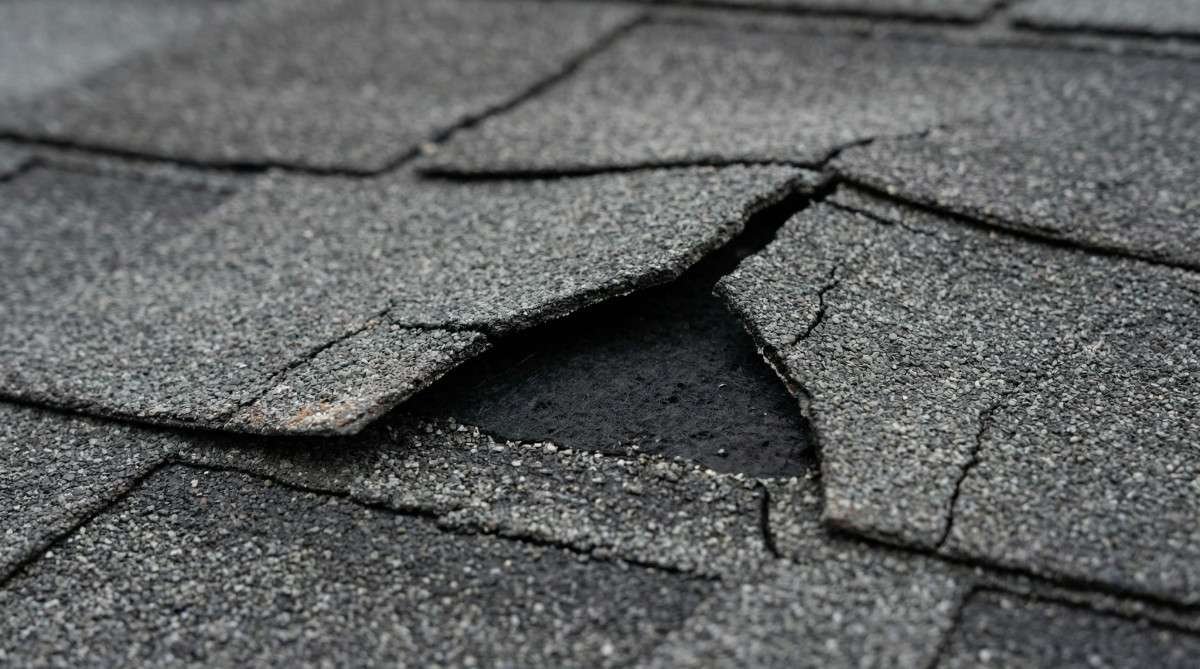
Inspectors evaluate the granular surface of asphalt shingles, which serves as the primary defense against UV degradation. If a roof is experiencing premature granule loss due to poor attic ventilation or overhanging tree branches, an inspector will diagnose the root cause. Furthermore, high winds can break the adhesive seal on shingles, lifting them slightly without tearing them off completely. To the untrained eye from the ground, the roof looks intact. However, the next severe storm will catch those lifted edges and tear entire sections of the roof away. An inspector will identify these unsealed shingles and manually reseal them, restoring the roof’s wind resistance and delaying the inevitable need for a full replacement.
Maintaining Homeowners Insurance Compliance
Answer Capsule: Regular roof inspections are crucial for maintaining homeowners insurance coverage. Many insurance policies require proof of proactive maintenance to approve claims for storm damage, and an official inspection report provides this necessary documentation.
The relationship between a home’s roof and its insurance policy is highly scrutinized by insurance carriers. In recent years, as the frequency and severity of extreme weather events have increased, insurance companies have become far more stringent regarding roof claims. When a homeowner files a claim for a roof destroyed by a hailstorm or high winds, the insurance adjuster’s primary objective is to determine if the damage was solely an “Act of God” or if it was exacerbated by pre-existing neglect.
If an adjuster finds that the roof was poorly maintained—evidenced by rotting decking, long-standing rust on flashing, or pre-existing leaks—the insurance company can legally deny the claim, citing “wear and tear” or “homeowner negligence.” This leaves the homeowner entirely responsible for a massive replacement bill. An annual roof inspection provides a documented baseline of the roof’s condition. Having a recent, time-stamped report from a licensed roofing contractor proving that the roof was in good, well-maintained condition prior to a storm makes it exceptionally difficult for an insurance company to deny a legitimate claim.
Boosting Property Value and Buyer Confidence
Answer Capsule: A recent, clean roof inspection report significantly boosts a property’s market value. It provides prospective buyers with documented peace of mind, eliminating the fear of inheriting a hidden, expensive roofing disaster.
For homeowners considering selling their property, the condition of the roof is one of the most critical factors in the real estate transaction. During the negotiation process, the roof is often the primary point of contention. Prospective buyers are acutely aware that a failing roof is an immediate, massive financial liability. If a buyer’s general home inspector flags the roof as “nearing the end of its useful life” or “showing signs of wear,” the buyer will almost certainly demand a steep reduction in the asking price or insist that the seller replace the roof entirely before closing.
Sellers can preempt this high-stress negotiation tactic by commissioning a professional roof inspection before listing the home on the market. Presenting a clean, certified roof inspection report—or proof that minor repairs were recently completed by a professional—instills immediate confidence in potential buyers. It removes the “fear of the unknown” from the equation, often justifying a higher asking price and facilitating a smoother, faster closing process.
Frequently Asked Questions
How often should I get a professional roof inspection?
Industry experts strongly recommend scheduling a professional roof inspection at least once a year. The optimal time is during the fall, ensuring the roof is fully prepared to handle the harsh conditions of winter. Additionally, you should always schedule an immediate inspection following any severe weather event, such as a hailstorm or a hurricane.
Can I inspect my own roof instead of hiring a professional?
While homeowners can and should perform visual checks from the ground using binoculars, a professional inspector is essential. Professionals have the necessary safety equipment to walk steep pitches and the trained eye required to identify subtle signs of failure—such as soft decking, hairline flashing cracks, or granular loss—that an untrained observer will almost certainly miss.
How much does a professional roof inspection cost?
The cost of a roof inspection typically ranges from $100 to $300, depending on the size, slope, and complexity of the roof. While some roofing companies offer free inspections, paying for an independent inspection often guarantees a more detailed, unbiased written report without the pressure of a subsequent sales pitch.
Conclusion
Answer Capsule: The benefits of a roof inspection extend far beyond simple maintenance; they are a vital financial strategy. By investing in annual assessments, homeowners protect their property’s structural integrity, maintain insurance compliance, and avoid catastrophic repair bills.
Viewing a roof inspection as an optional luxury rather than a mandatory maintenance requirement is a gamble that rarely pays off for homeowners. The roof is a complex system of interdependent materials, and the failure of a single component can trigger a cascade of expensive structural damage throughout the entire home.
By committing to annual professional inspections, homeowners take control of their property’s health. This proactive approach ensures that minor issues are resolved for pennies on the dollar before they evolve into massive leaks, while simultaneously providing the documentation necessary to satisfy strict insurance requirements and bolster real estate value. Ultimately, the true value of a roof inspection is the profound peace of mind that comes from knowing the home is secure, safe, and fully protected from whatever the weather may bring.