A home’s exterior serves as its primary defense against the elements, and the quality of its coating plays a crucial role in that protection. Understanding exterior paint longevity is essential for homeowners who want to maintain their property’s structural integrity and visual appeal. Far beyond simply choosing an attractive color, selecting the right paint and understanding how it ages can save thousands of dollars in premature repairs and structural damage. When a protective coating begins to fail, it exposes the underlying materials to moisture, ultraviolet radiation, and biological growth, accelerating the deterioration of the entire facade.
The lifespan of an exterior coating is not a fixed number; it is a dynamic equation influenced by the type of surface being painted, the local climate, the quality of the materials used, and the level of ongoing maintenance. While some homeowners might expect a single paint job to last indefinitely, the reality is that all architectural coatings eventually succumb to environmental stress. By recognizing the factors that dictate how long these finishes last, property owners can make informed decisions, implement proactive maintenance strategies, and significantly extend the time between costly full-scale repainting projects.
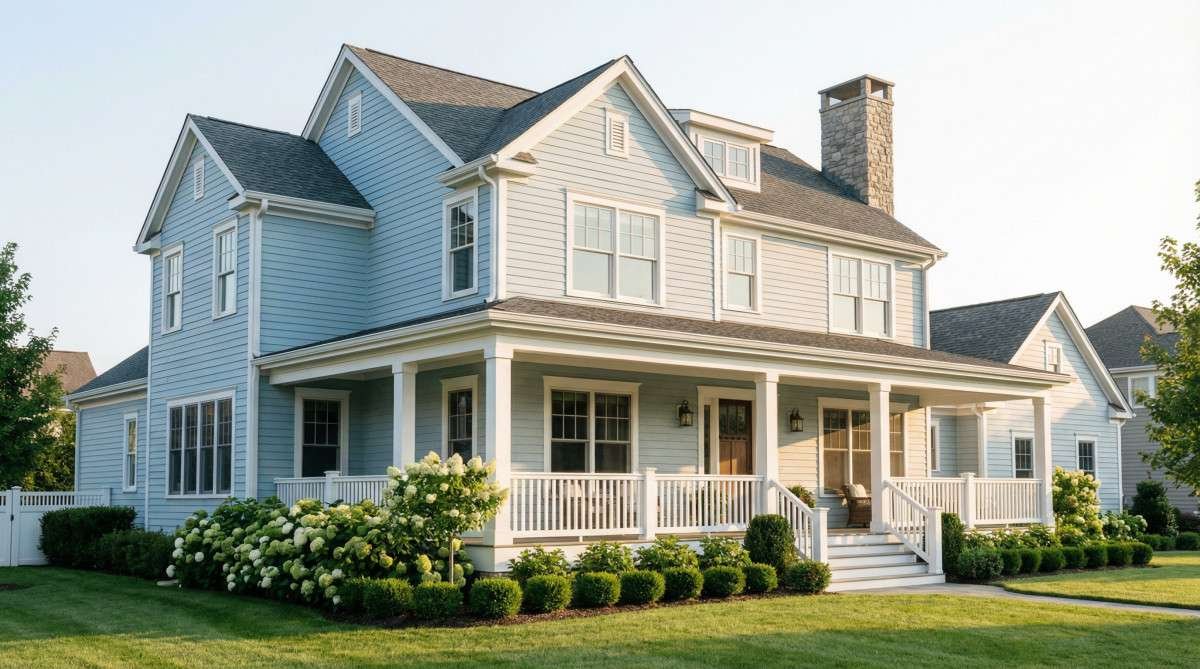
Average Lifespan of Exterior Paint by Siding Material
Answer Capsule: Exterior paint generally lasts 5 to 10 years, but this varies significantly by siding material. Wood typically requires repainting every 5 to 7 years, stucco every 7 to 10 years, and durable materials like fiber cement or brick can maintain their finish for 10 to 15 years.
The substrate—the underlying material to which the paint is applied—is perhaps the most significant determinant of how long a finish will endure. Different architectural materials possess distinct physical characteristics, such as porosity, expansion rates, and moisture retention, all of which directly impact paint adhesion and durability. Wood siding, for instance, is highly susceptible to the environment. It naturally expands and contracts with changes in humidity and temperature. This constant movement places immense stress on the paint film, often leading to cracking and peeling. Consequently, homes with natural wood exteriors generally require a fresh coat every five to seven years to maintain adequate protection.
Stucco presents a different set of challenges and advantages. As a rigid, masonry-based material, it does not experience the same degree of thermal expansion as wood. However, its textured, porous surface can trap dirt and moisture if not properly sealed. When coated with high-quality, breathable masonry paint or elastomeric coatings, stucco surfaces typically hold their finish for seven to ten years. The key to longevity on stucco is ensuring the paint allows trapped moisture vapor to escape; otherwise, the accumulated moisture will cause the paint to blister and peel away from the masonry.
Modern composite materials and traditional brick offer some of the longest lifespans for exterior finishes. Fiber cement siding is engineered for stability and moisture resistance, providing an excellent canvas for paint. Because it does not warp or rot like natural wood, paint applied to fiber cement can easily last ten to fifteen years before requiring attention. Similarly, while unpainted brick requires virtually no maintenance, painted brick can retain its coating for fifteen years or more, provided the initial application involved proper cleaning and the use of specialized masonry primers that establish a permanent bond with the porous clay.
The Impact of Paint Quality and Type on Durability
Answer Capsule: The type and quality of paint directly dictate its longevity. High-quality 100% acrylic latex paints offer superior flexibility and UV resistance, often outlasting cheaper alternatives and traditional oil-based paints by several years while resisting fading and chalking.
Not all architectural coatings are manufactured to the same standards, and the chemical composition of the paint plays a definitive role in its long-term performance. The primary battle for any exterior finish is maintaining its elasticity and color integrity against relentless environmental exposure. According to the American Coatings Association, the shift toward advanced water-based technologies has significantly improved the durability of exterior finishes. High-quality, 100% acrylic latex paints are currently regarded as the gold standard for residential exteriors. The acrylic resins in these formulas remain highly flexible long after curing, allowing the paint film to expand and contract seamlessly with the underlying siding as temperatures fluctuate.
In contrast, traditional oil-based paints, while offering a smooth and hard finish, become increasingly brittle as they age. This rigidity makes them highly susceptible to cracking and flaking, particularly on dynamic surfaces like wood. Furthermore, premium acrylic formulations contain higher concentrations of titanium dioxide and advanced colorants, which provide superior resistance to ultraviolet (UV) radiation. Cheaper paints, which often contain higher levels of inexpensive fillers and lower-quality binders, degrade much faster. This degradation manifests as chalking—a powdery residue on the surface—and rapid color fading, forcing homeowners into an earlier repainting cycle than if they had invested in premium materials initially.
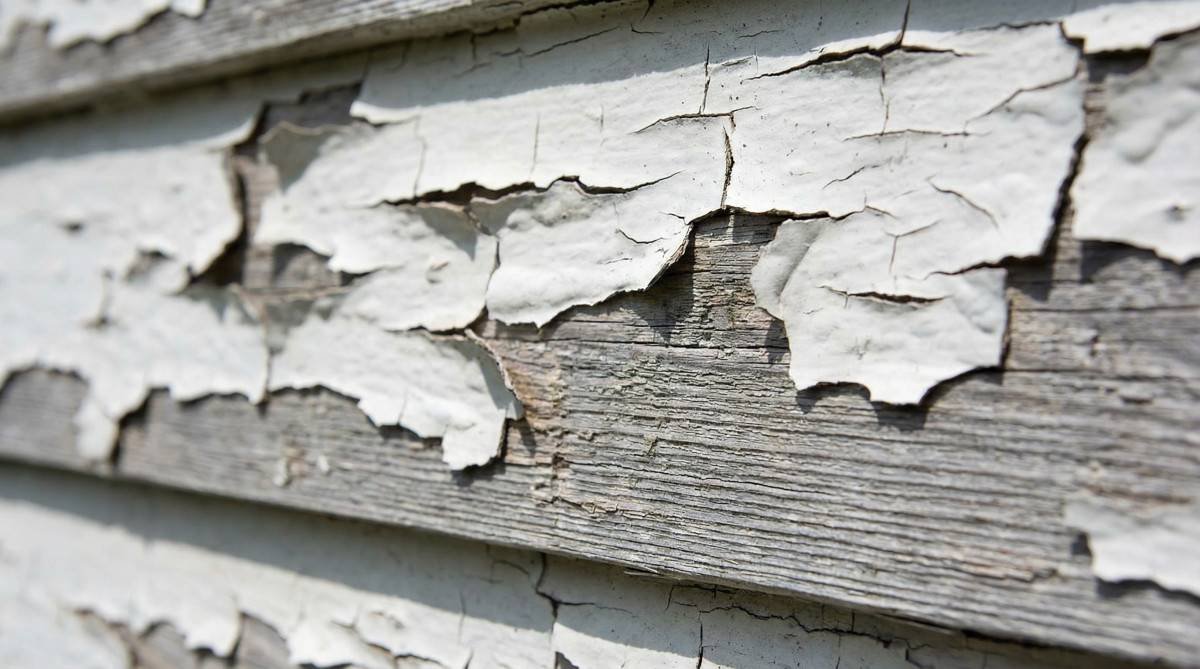
How Climate and Weather Conditions Accelerate Wear
Answer Capsule: Harsh environmental conditions, including intense UV radiation, extreme temperature fluctuations, and coastal salt air, significantly accelerate the degradation of exterior paint, requiring more frequent maintenance and repainting schedules to prevent structural damage.
The geographic location of a property exerts an unavoidable influence on the lifespan of its exterior finish. Weather acts as a constant abrasive force, slowly breaking down the chemical bonds within the paint film. In regions characterized by intense, year-round sunlight, such as the American Southwest, ultraviolet radiation is the primary antagonist. UV rays aggressively break down paint binders and bleach color pigments. Darker colors absorb more heat and UV energy, causing them to fade and deteriorate significantly faster than lighter, more reflective shades.
Conversely, in climates with high humidity, heavy rainfall, or significant snowfall, moisture becomes the leading cause of paint failure. When water penetrates behind the paint film—often through microscopic cracks or poorly sealed joints—it compromises the adhesion. As temperatures rise, the trapped moisture attempts to evaporate, creating pressure that causes the paint to blister and eventually peel away. Furthermore, coastal environments introduce airborne salt, which acts as a corrosive agent, rapidly degrading both the paint and the underlying substrate if not frequently washed. Homes in areas with extreme seasonal temperature swings face the dual threat of moisture intrusion during wet seasons and severe expansion and contraction during temperature shifts, demanding the most resilient, flexible coatings available.
Proactive Maintenance to Extend Exterior Paint Longevity
Answer Capsule: Homeowners can significantly extend their exterior paint’s lifespan through proactive maintenance, including annual gentle washing to remove contaminants, immediate touch-ups of minor chips, and inspecting and replacing damaged caulking around windows and trim.
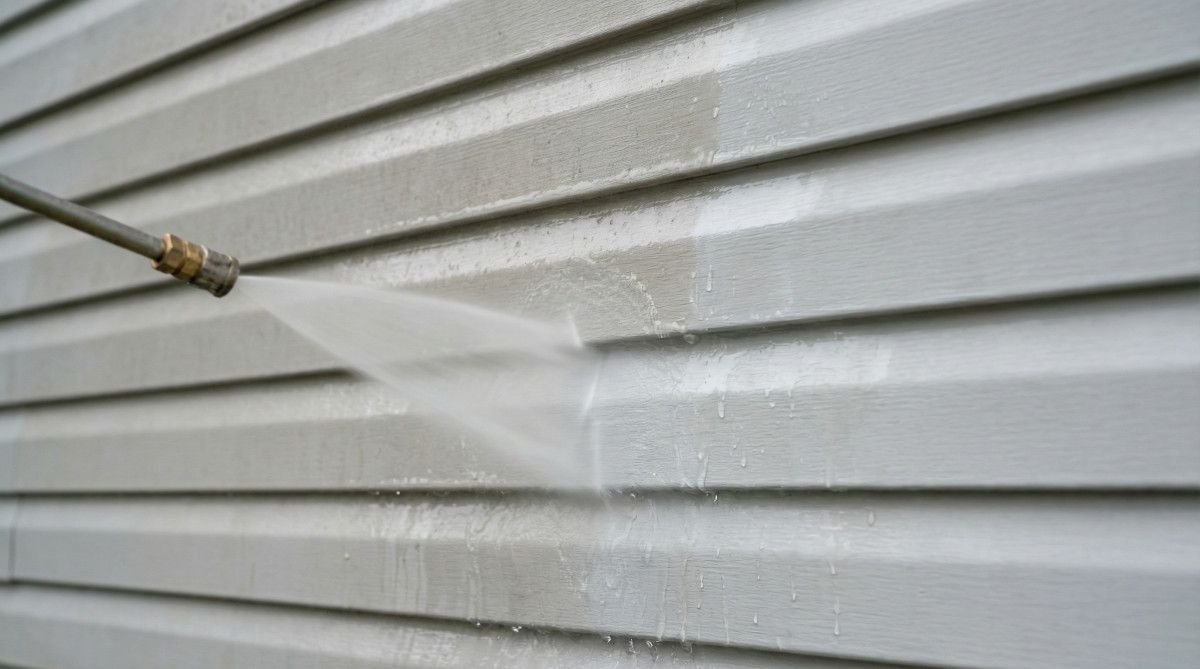
While selecting premium materials and ensuring proper application are foundational to a long-lasting finish, ongoing maintenance is the variable over which homeowners have the most control. A passive approach to exterior care guarantees a shorter lifespan for the paint job. The most effective maintenance strategy begins with an annual cleaning. Using a soft-bristle brush and a mild detergent, or a pressure washer set to a very low, fan-spray setting, removes accumulated dirt, airborne pollutants, and biological growth like mildew and algae. These contaminants, if left unchecked, can slowly eat away at the paint’s protective barrier and hold moisture against the siding.
Vigilance is equally important when it comes to physical damage. Inspecting the exterior at least twice a year—typically in the spring and fall—allows homeowners to identify and address minor issues before they escalate. Small chips or scratches from flying debris should be cleaned and touched up immediately with leftover paint to seal the breach. Additionally, the caulking around windows, doors, and trim joints degrades faster than the paint itself. Inspecting these seals and re-caulking any cracked or shrinking areas prevents water from seeping behind the siding, which is the leading cause of widespread paint failure and underlying wood rot.
Frequently Asked Questions
How long should exterior paint last on a house?
On average, a quality exterior paint job should last between 5 and 10 years. However, this lifespan is heavily dependent on the type of siding material, the severity of the local climate, the quality of the paint formulation used, and how meticulously the surface was prepared prior to application.
What is the most durable outdoor paint?
High-quality, 100% acrylic latex paint is widely considered the most durable option for home exteriors. It remains flexible after drying, allowing it to expand and contract with the siding during temperature changes, which prevents cracking and peeling far better than rigid oil-based paints.
How do I know it is time to repaint my house?
Key indicators that it is time to repaint include visible peeling, cracking, or blistering of the current finish. Additionally, significant color fading, severe chalking (a powdery residue that wipes off on your hand), or exposed bare wood are clear signs that the protective barrier has failed and requires immediate attention.
Conclusion
Answer Capsule: Maximizing exterior paint longevity requires a strategic combination of high-quality materials, thorough surface preparation, and consistent ongoing maintenance. By addressing minor issues early, homeowners can protect their investment and maintain their property’s value for years.
The longevity of an exterior paint job is not merely a matter of chance; it is the result of informed choices and diligent care. From understanding how different siding materials interact with various paint formulations to recognizing the specific environmental threats present in a local climate, homeowners possess the ability to significantly influence how long their property remains protected. Investing in premium, 100% acrylic latex paints and ensuring rigorous surface preparation lays the groundwork for a durable, resilient finish.
Ultimately, the true value of a high-quality exterior coating is realized through proactive maintenance. By committing to annual cleanings, prompt touch-ups, and regular inspections of vulnerable areas like caulked joints, property owners can intercept minor damage before it cascades into widespread failure. Treating exterior paint not just as a cosmetic upgrade, but as a vital component of the home’s structural defense system, ensures lasting curb appeal and defends the home against the relentless forces of nature.