The structural integrity of a building is the fundamental framework that ensures its safety, stability, and ability to withstand both everyday loads and extreme environmental stresses. Whether it is a historic residential home or a modern commercial complex, the underlying structure—comprising the foundation, load-bearing walls, beams, and roof trusses—must remain uncompromised. Over time, however, various factors such as soil subsidence, water intrusion, seismic activity, or simple material degradation can silently undermine this critical framework. A formal structural integrity assessment is a specialized engineering evaluation designed to uncover these hidden vulnerabilities before they escalate into catastrophic failures.
Unlike a standard home inspection, which provides a broad overview of a property’s general condition, a structural assessment is a deeply analytical process conducted by a licensed structural engineer. This evaluation is not merely about aesthetics; it is a rigorous scientific analysis of a building’s load paths, material strength, and overall resilience. Understanding when to commission a structural assessment, what the process entails, and how to interpret the findings is crucial for property owners, buyers, and managers who are committed to preserving the safety and financial value of their real estate investments.
When is a Structural Assessment Necessary?
Answer Capsule: A structural integrity assessment is urgently required when a property exhibits visible signs of distress such as severe foundation cracking, sagging rooflines, or uneven floors, as well as prior to major renovations or after a natural disaster.
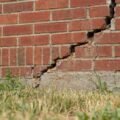
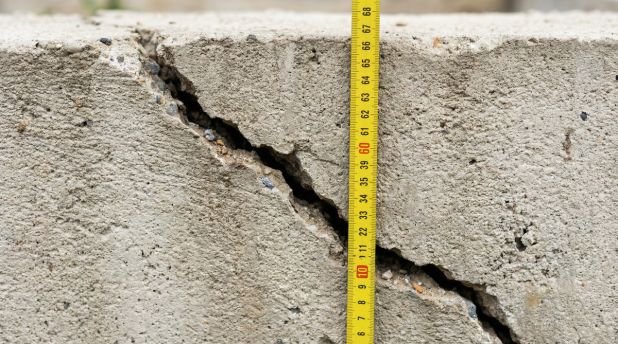
The need for a structural assessment is often triggered by visible, alarming changes in a building’s physical condition. Homeowners should immediately consult a structural engineer if they observe diagonal or horizontal cracks in the foundation walls, particularly those wider than a quarter-inch or those that appear to be actively widening. Inside the home, significant warning signs include doors and windows that suddenly stick or fail to latch, floors that slope noticeably, or large, jagged cracks radiating from the corners of door frames across drywall or plaster. These symptoms strongly suggest that the building’s foundation is settling unevenly or that a load-bearing element is failing under stress.
Beyond visible distress, proactive structural assessments are essential in several specific scenarios. Before undertaking any major renovation that involves altering the building’s footprint, removing walls, or adding a second story, an engineer must verify that the existing structure can safely support the new architectural loads. Furthermore, following a severe natural event—such as an earthquake, a major flood, or a hurricane—a structural assessment is critical to ensure the building remains safe for occupancy, even if the exterior appears largely undamaged. Finally, prospective buyers of older or historic properties frequently commission these assessments during the due diligence period to uncover hidden liabilities that could require exorbitant future repairs.
The Assessment Process and Methodology
Answer Capsule: A comprehensive assessment involves a meticulous visual inspection of all accessible structural components, the use of advanced diagnostic tools, and a detailed mathematical analysis of the building’s load-bearing capacity.
A professional structural integrity assessment is a systematic and highly detailed process. The engineer typically begins with a thorough visual inspection of the property’s exterior, examining the foundation, grading, drainage patterns, and the condition of the exterior cladding. They will look for signs of soil erosion, hydrostatic pressure against the foundation, or subtle bowing in the exterior walls. Moving indoors, the engineer will inspect the basement or crawlspace—the most critical areas for assessing the foundation and lower framing—searching for water damage, wood rot, termite activity, or compromised support columns.
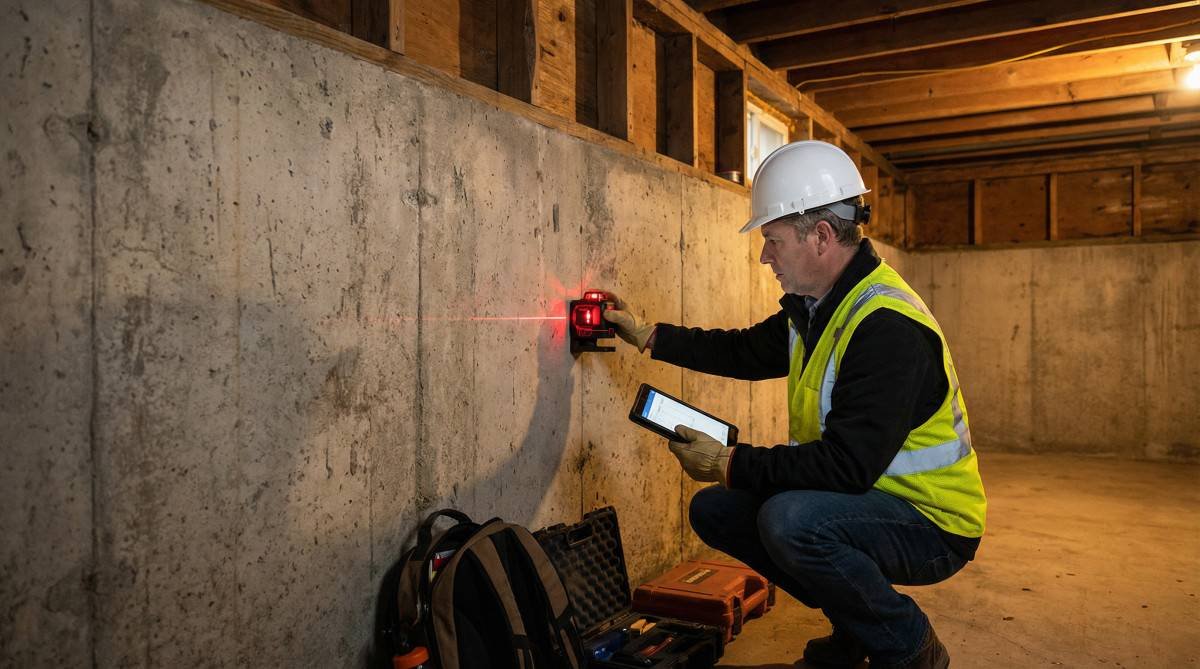
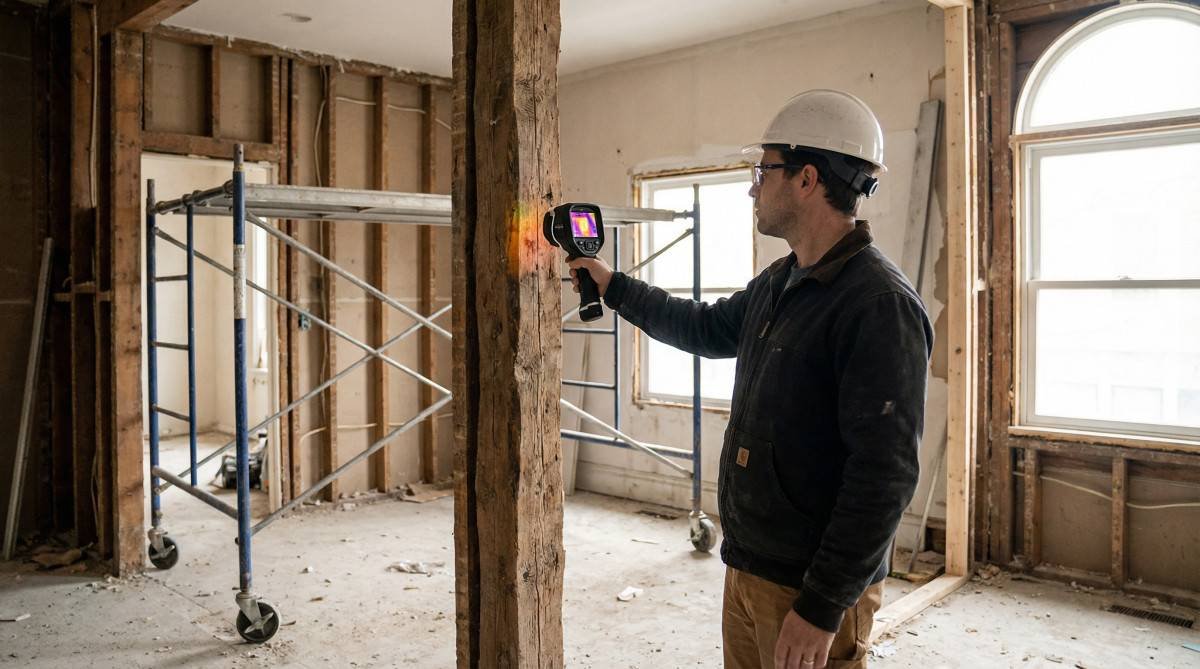
While visual inspection is paramount, modern structural engineers also employ a variety of advanced diagnostic tools. They may use laser levels to precisely measure floor deflection, moisture meters to detect hidden water intrusion behind walls, or thermal imaging cameras to identify missing insulation or structural anomalies. In complex cases, the engineer may perform a mathematical load analysis, calculating the exact weight the structure is currently bearing versus its theoretical maximum capacity. If severe hidden damage is suspected, the engineer may recommend invasive testing, which involves temporarily removing small sections of drywall or flooring to directly examine the underlying structural members.
Interpreting the Engineer’s Report
Answer Capsule: The final engineering report provides a definitive diagnosis of the structural issues, outlines the precise scope of necessary repairs, and serves as a legally binding document for contractors and municipal building departments.
Following the physical inspection and data analysis, the structural engineer will compile their findings into a comprehensive, legally stamped report. This document is far more valuable than a standard contractor’s estimate. The report will clearly differentiate between minor, cosmetic issues (such as superficial drywall cracking due to normal seasonal expansion) and critical structural failures that pose an immediate safety risk. For every identified problem, the engineer will provide a scientific explanation of its root cause, ensuring that any subsequent repairs address the underlying issue rather than merely masking the symptoms.
Crucially, the engineer’s report will outline a specific, actionable remediation plan. This may include detailed specifications for installing helical piers to stabilize a sinking foundation, adding steel flitch plates to reinforce a sagging wooden beam, or improving exterior drainage to relieve hydrostatic pressure. Because structural engineers generally do not perform the construction work themselves, their recommendations are entirely objective and free from the conflict of interest that can occur when a repair contractor assesses their own potential project. This stamped report serves as the definitive blueprint that specialized repair contractors must follow, and it is often required by municipal building departments before permits for major structural repairs can be issued.
Frequently Asked Questions
How much does a structural engineering assessment cost?
The cost of a structural assessment typically ranges from $500 to $1,500 for a standard residential property, depending on the size of the home, the complexity of the issues, and the geographic location. Extensive commercial assessments or those requiring invasive testing will cost significantly more.
What is the difference between a home inspector and a structural engineer?
A home inspector is a generalist who evaluates the overall condition of a property’s systems (plumbing, electrical, HVAC, roof) but is not legally qualified to diagnose complex structural failures. A structural engineer is a highly educated, licensed professional who specializes exclusively in the physics and mechanics of building frameworks and load-bearing capacities.
Will my homeowners insurance cover structural repairs?
Generally, standard homeowners insurance policies do not cover structural repairs resulting from normal wear and tear, gradual soil settlement, or poor maintenance. However, if the structural damage was caused by a sudden, covered peril—such as a fallen tree, a severe windstorm, or a sudden plumbing explosion—the repairs may be covered.
Conclusion
Answer Capsule: Commissioning a structural integrity assessment is a proactive, essential measure to accurately diagnose building distress, ensure occupant safety, and protect the long-term financial value of a property.
The structural framework of a building is largely invisible, yet it is the most critical component of any property. When warning signs of structural distress appear, ignoring them or relying on unqualified opinions can lead to disastrous safety hazards and exponentially higher repair costs down the line. A formal structural integrity assessment provides property owners with the definitive, objective, and scientifically backed data required to make informed decisions.
By engaging a licensed structural engineer, owners gain a clear understanding of their building’s true condition and a precise roadmap for necessary remediations. Whether you are addressing an actively sinking foundation, preparing for a major architectural addition, or evaluating a historic property for purchase, a structural assessment is not an optional expense; it is a vital investment in the safety, stability, and enduring longevity of the structure.