Ever wonder why that golden ring of dough tastes so different from regular bread? The secret lies in a centuries-old process, a journey from Polish kitchens to your breakfast plate. It’s a story worth telling.
On January 15, we celebrate National Bagel Day. This isn’t just another food holiday. It’s a nod to a cultural icon, a breakfast staple that has conquered the world. For many, especially New Yorkers who reportedly eat over 100 bagels a year, it’s a way of life.
This article goes beyond the basics. We’ll uncover the fascinating history of the bagel, dive into the science of that perfect chew, and settle the great New York vs. Montreal bagel debate. Get ready to become a true bagel expert and find the best bagels to celebrate National Bagel Day.
What Is National Bagel Day and When Is It Celebrated?
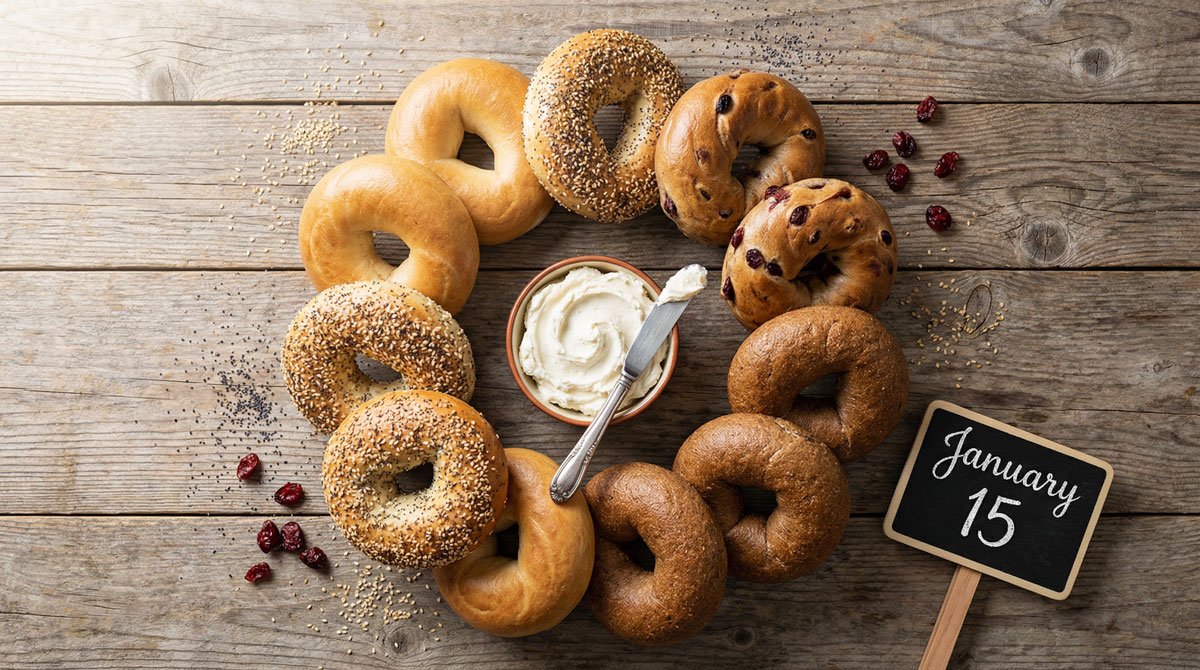
Mark your calendars. National Bagel Day falls on January 15 every year. It’s a day for everyone to honor this iconic looped bread. From coast to coast, bakeries and cafes join the celebration.
This special day wasn’t always on the calendar. It originally shared the spotlight with National Lox Day on February 9. But in 2020, the bagel finally got its own day, a testament to its standalone popularity. Now, January 15 is all about the bagel.
On National Bagel Day, you’ll find special deals and freebies. Major chains like Einstein Bros. and Panera often participate. It’s the perfect excuse to indulge in your favorite schmear or try some new bagel toppings.
| Year | Date | Day |
|---|---|---|
| 2026 | January 15 | Thursday |
| 2027 | January 15 | Friday |
| 2028 | January 15 | Saturday |
| 2029 | January 15 | Monday |
| 2030 | January 15 | Tuesday |
The Rich History Behind Your Favorite Breakfast Ring
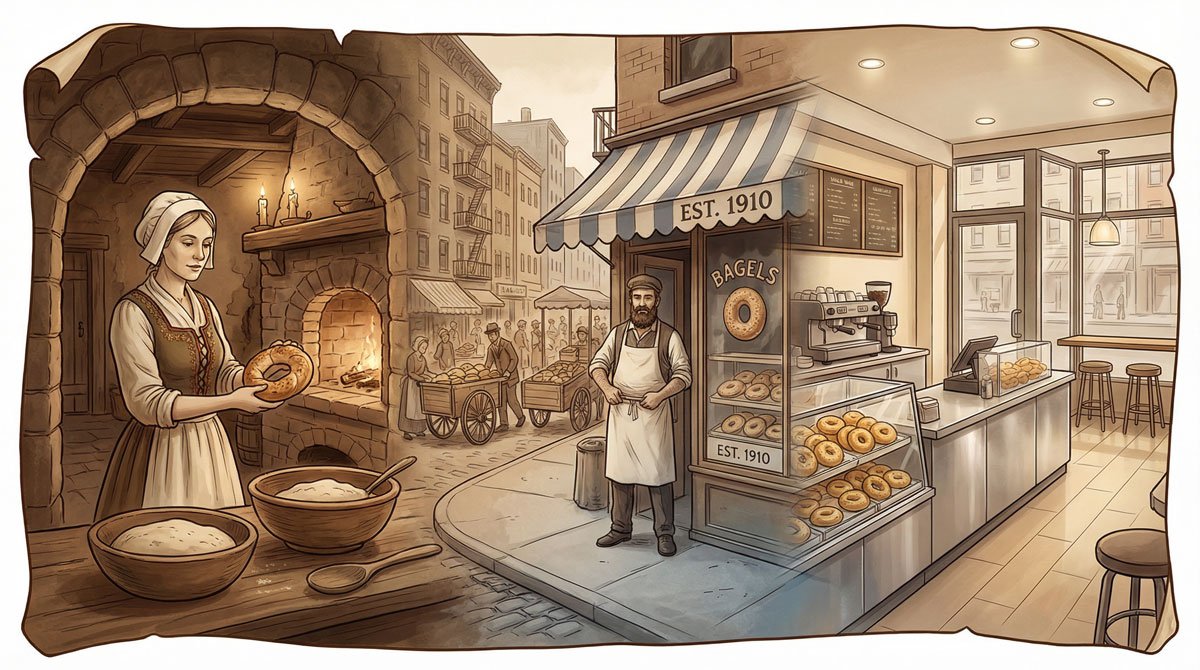
The bagel’s story begins not in New York, but in medieval Poland. Its ancestor, the obwarzanek, was a similar ring-shaped bread. The first written mention of the bagel appeared in 1610 in Krakow, Poland. City regulations stated that bagels were to be given as a gift to women after childbirth.
This humble bread was deeply woven into Jewish culture. When millions of Eastern European Jews immigrated to America in the 1800s, they brought their beloved bagels with them. New York City became the epicenter of bagel culture. The city’s water, some say, is the secret ingredient.
In the early 1900s, the Bagel Bakers Local 338 union was formed. This powerful group controlled bagel production for decades. It wasn’t until the 1950s that automation made mass production possible. Suddenly, bagels were everywhere.
A Bagel Timeline
- 1300s: The bagel’s ancestor, the obwarzanek, appears in Poland.
- 1610: First written record of bagels in Krakow, Poland.
- 1683: A Viennese baker supposedly creates a stirrup-shaped bagel to honor the king.
- 1800s: Polish-Jewish immigrants bring bagels to America.
- Early 1900s: The powerful Bagel Bakers Local 338 union is formed in New York.
- 1950s: Automation makes mass production of bagels possible.
- 1984: Lender’s frozen bagels become a national sensation.
- 2020: National Bagel Day moves to its own dedicated date, January 15.
What Makes a Bagel a Bagel? The Science Behind the Chew
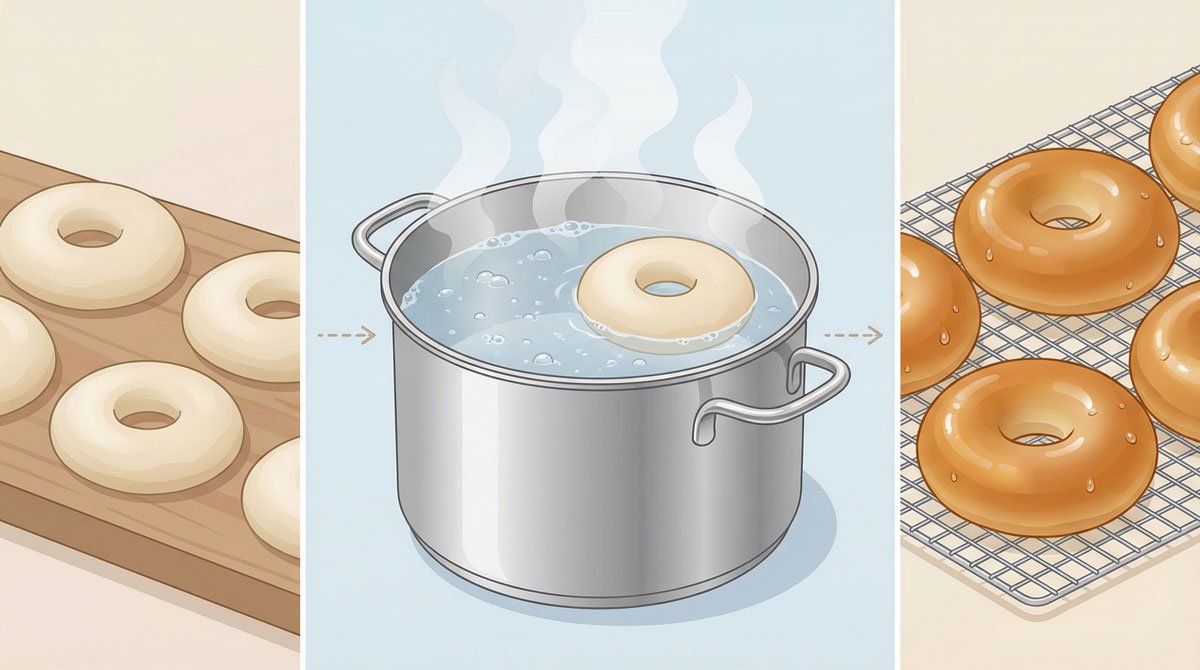
That distinctive chewy texture doesn’t happen by accident. It’s science. The key is boiling the bagel before baking. This simple step makes all the difference. It’s what separates a real bagel from just a round piece of bread.
When the dough is dropped into boiling water, the starches on the surface immediately gelatinize. This creates a thin, protective crust. This crust prevents the bagel from rising too much in the oven, resulting in a denser, chewier interior. The water temperature is crucial, ideally between 180-190°F.
Many traditional recipes also include malt barley in the water. This adds a subtle sweetness and helps create that classic golden-brown color. The boiling process also inactivates some of the yeast, further contributing to the bagel’s dense texture.
| Feature | Bagel | Bread | Donut |
|---|---|---|---|
| Preparation | Boiled, then baked | Baked | Fried |
| Texture | Dense and chewy | Soft and airy | Light and spongy |
| Crust | Shiny and firm | Varies | Soft and glazed |
| Key Ingredient | High-gluten flour | All-purpose flour | Cake or pastry flour |
New York vs Montreal Bagels: What’s the Difference?
The bagel world has its own rivalries. The most famous is the battle between New York and Montreal. Both cities have a rich bagel tradition, but their styles are distinctly different. It’s a matter of local pride.
New York bagels are larger and puffier, with a less dense interior. They are boiled in plain water and contain salt, giving them a more savory flavor. They are the quintessential bagel for a hearty sandwich.
Montreal bagels, on the other hand, are smaller, sweeter, and denser. They are boiled in honey-sweetened water before being baked in a wood-fired oven. This gives them a unique, slightly sweet taste and a crispier crust. They have a larger hole and are often enjoyed on their own.
| Feature | New York Style | Montreal Style |
|---|---|---|
| Size | Larger, puffier | Smaller, denser |
| Boiling Water | Plain or salted water | Honey-sweetened water |
| Dough | Contains salt | No salt, contains egg |
| Baking Method | Standard oven | Wood-fired oven |
| Taste | Savory, bread-like | Sweeter, slightly malty |
| Hole Size | Smaller | Larger |
| Best For | Sandwiches | Eating plain or with CC |
From Everything to Rainbow: Popular Bagel Flavors Today
The world of bagels is vast and delicious. It starts with the classics. Plain, Sesame, and Poppy Seed are the timeless trio. They offer a pure, unadulterated bagel experience. Then there’s the Everything bagel, a fan favorite loaded with a mix of seeds and spices.
Beyond the basics, you’ll find traditional flavors like Pumpernickel, Cinnamon Raisin, and Whole Wheat. These have been staples in bagel shops for generations. Each offers a unique taste profile, from earthy and dark to sweet and spicy.
But the innovation doesn’t stop there. The modern bagel scene is full of creativity. Rainbow bagels became a viral sensation, brightening up breakfast with their vibrant colors. You can also find charcoal bagels, gluten-free options, and even the “flagel,” a flat bagel with more surface area for toppings.
Bagel Lingo: Essential Terms Every Bagel Lover Should Know
Stepping into a traditional bagel shop can feel like entering a new world, with its own language. To help you order like a pro, here’s a quick glossary of essential bagel terms.
- Schmear: This Yiddish word simply means “to spread.” It refers to a generous layer of cream cheese applied to your bagel.
- Lox: A fillet of brined salmon. It is not smoked. The name comes from the Yiddish word for salmon, “laks.”
- Nova: This refers to cold-smoked salmon, which has a less salty and more delicate flavor than lox. It’s named for Nova Scotia, a traditional source for the fish.
- Bialy: A close cousin of the bagel. It’s a chewy, round bread that is baked, not boiled, and has a depressed center filled with cooked onions and poppy seeds instead of a hole.
- Flagel: A portmanteau of “flat bagel.” It’s a bagel that has been flattened before baking, resulting in a crispier, crunchier texture.
- Kettle-boiled: The traditional method of boiling bagels in a large kettle of water before baking. This is the key to an authentic bagel texture.
Are Bagels Healthy? Nutrition Facts You Should Know
Bagels often get a bad rap in the health world. But can they be part of a balanced diet? The answer is yes, with a little mindfulness. A plain, medium-sized bagel contains around 250-350 calories, primarily from carbohydrates. This makes them a great source of energy.
Choosing whole wheat or multigrain bagels can boost the nutritional value. These options provide more fiber, which aids in digestion and helps you feel full longer. They also offer more vitamins and minerals compared to their plain white counterparts.
The real nutritional impact often comes from the toppings. A thick schmear of full-fat cream cheese can add significant calories and fat. Opting for lighter cream cheese, hummus, or avocado can be a healthier choice. Piling on fresh vegetables is another great way to add nutrients.
| Bagel Type (Medium) | Calories (approx.) | Fiber (g) | Protein (g) |
|---|---|---|---|
| Plain | 290 | 2.4 | 11 |
| Everything | 300 | 3 | 12 |
| Whole Wheat | 250 | 4 | 10 |
Creative Ways to Celebrate National Bagel Day
Ready to celebrate National Bagel Day on January 15? Here are some creative ways to honor this delicious holiday. The easiest way is to visit local bagel shops near you. Support a small business and enjoy a fresh, authentic bagel on National Bagel Day.
Why not try something new? Step out of your comfort zone and order a flavor you’ve never had before. Or experiment with different toppings. Think beyond cream cheese. Avocado, smoked salmon, and even pizza toppings can elevate your bagel experience.
Feeling adventurous? A good bagel recipe can be found online. Try making your own bagels at home. It’s a rewarding process, and nothing beats the taste of a bagel fresh from your own oven. You can also host a bagel brunch to celebrate National Bagel Day. Get a variety of bagels and toppings and let your friends and family build their own creations. Don’t forget to share your bagel masterpieces on social media with the hashtag #NationalBagelDay.
National Bagel Day: Your Questions Answered
Got questions about bagels? We’ve got answers. Here are some of the most frequently asked questions about National Bagel Day and this iconic bread.
Ready to Celebrate National Bagel Day?
From its humble origins in Poland to its status as a global breakfast icon, the bagel has a rich and flavorful history. It’s more than just bread; it’s a cultural touchstone, a canvas for culinary creativity, and a source of daily comfort for millions.
This National Bagel Day, on January 15, take a moment to appreciate this remarkable food. Visit a local bakery, try a new flavor, or even attempt to make your own. There’s a whole world of bagels waiting to be explored.
So go ahead, grab a bagel, add your favorite schmear, and join the celebration. You’ve earned it.