Planning a winter wedding can feel intimidating at first, mostly because the season adds a few extra variables into the mix. However, winter also gives you built-in atmosphere, cozy energy, and plenty of opportunities to create something memorable. When you plan with intention from the start, each decision supports the next one. From dates and venues to attire and décor, a winter wedding rewards thoughtful planning and realistic expectations every step of the way.
Selecting a Weather-Smart Venue
A winter wedding venue should work with the season rather than fight it. Reliable indoor space becomes essential, not optional. Guests need warmth, shelter, and smooth transitions between ceremony and reception. When the venue handles winter well, everything else flows naturally without constant adjustments or last-minute fixes.
Heating and insulation deserve close attention during site visits. A beautiful venue loses its charm quickly if guests feel cold all evening. Ask direct questions, spend time inside the space, and trust your instincts. Comfort affects mood more than décor ever could, especially during long winter evenings.
Backup plans matter even when everything seems perfect. Snow delays, icy parking lots, or blocked entrances can occur, so having clear contingency options protects your timeline. Knowing there’s a solid plan B reduces stress and helps everyone involved respond calmly if conditions change unexpectedly.
According to the staff of a renowned Minneapolis wedding venue, accessibility often gets overlooked, but it becomes crucial in winter. Guests appreciate well-lit paths, nearby parking, and easy entrances. Also, venues that handle snow removal efficiently show experience and professionalism. When guests arrive without hassle, they start the celebration feeling welcome rather than frustrated.
Setting the Winter Wedding Vision
Planning a winter wedding starts with locking in the seasonal mood you want to create. Winter gives you a natural atmosphere that feels intimate and intentional, so lean into that. Think candlelight, warm tones, and soft textures. This early vision helps every subsequent decision feel connected rather than random, saving time and avoiding unnecessary stress.
Once the season sets the tone, you need to decide how formal or relaxed the celebration should feel. A winter wedding works just as well for a black-tie evening as it does for a cozy, fireside gathering. However, clarity matters here because your choice affects everything from venue style to dress codes and even how guests mentally prepare.
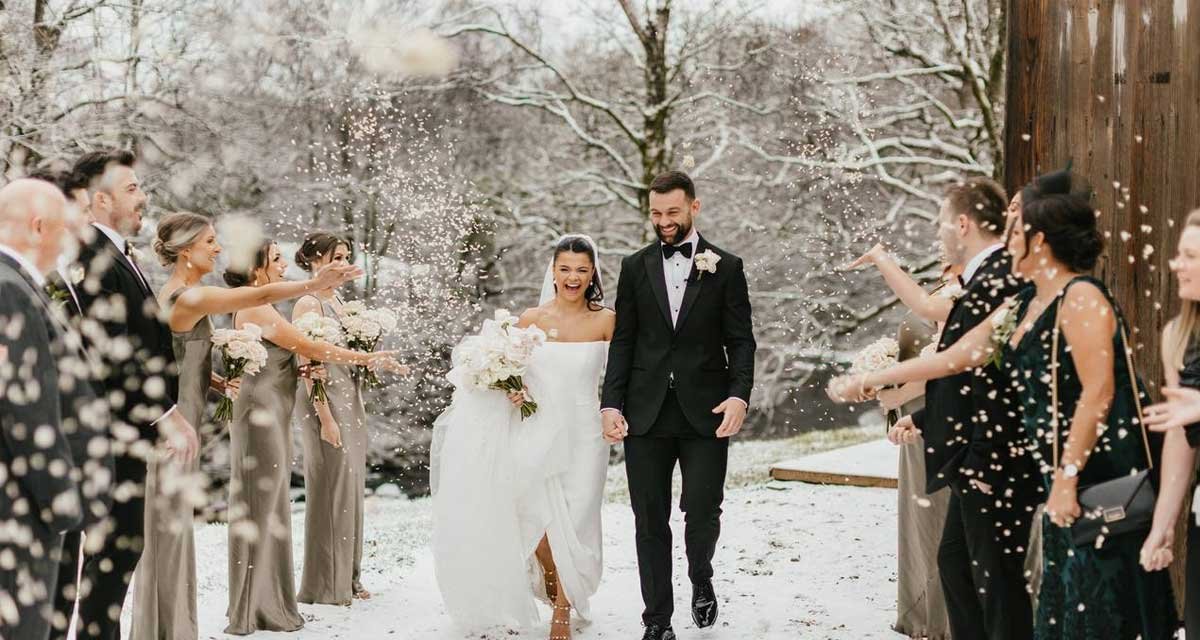
Another key decision involves indoor versus outdoor priorities. Winter weddings usually rely on indoor spaces, but that does not mean outdoor elements disappear completely. You can still plan snowy photo moments or brief outdoor transitions, you see, as long as comfort stays front and center and timing remains realistic.
Your color palette ties the entire vision together. Winter allows richer colors, layered neutrals, and metallic accents that feel natural instead of forced. Also, choosing colors early makes vendor conversations easier, since florists, rental companies, and designers can align their ideas with a clear direction instead of guessing your preferences.
Choosing the Right Winter Date
Picking the right winter date requires more thought than simply circling a weekend on the calendar. Winter comes with holidays, long weekends, and family traditions that can either boost attendance or complicate it. You want a date that feels special without competing too heavily with major commitments guests already have locked in.
Guest availability matters even more during colder months. Travel takes longer, weather causes delays, and people plan earlier than usual. When you give guests enough notice, they can book time off, plan transportation, and feel confident committing. That consideration goes a long way toward creating a relaxed, supportive atmosphere around your plans.
Winter dates often come with financial perks that couples overlook. Venues and vendors frequently offer offseason pricing, which can stretch your budget without cutting corners. However, saving money should never come at the cost of comfort or logistics, so balance discounts with practical realities that affect the overall experience.
Weather tolerance plays a quiet but important role in date selection. Snowstorms and icy roads happen, you see, so choosing a date with buffer days or flexible schedules helps reduce pressure. Planning with weather in mind keeps you calm and confident instead of anxious as the big day approaches.
Winter-Appropriate Wedding Attire
Winter wedding attire balances style with comfort, and that balance matters more than people expect. Heavier fabrics like velvet, satin, and layered lace not only look elegant but also provide warmth. Choosing season-appropriate materials keeps you comfortable throughout the day without sacrificing the overall aesthetic you want.
Outerwear becomes part of the outfit in winter, not an afterthought. Capes, shawls, tailored coats, and faux-fur wraps can elevate the look rather than hide it. When planned intentionally, these pieces enhance photos and allow you to move between spaces without rushing or feeling exposed.
Footwear choices need practicality alongside style. Slippery surfaces, snow, and long indoor hours all factor in. Many couples opt for ceremony shoes and backup options for later, which keeps things smooth. You see, happy feet make long celebrations far more enjoyable.
Accessories tie everything together and offer extra warmth. Gloves, tights, scarves, and layered jewelry add personality while serving a purpose. Also, coordinating accessories across the wedding party creates a cohesive look that feels thoughtful rather than overly styled or forced.
Seasonal Décor and Styling
Winter décor works best when it feels intentional rather than overly themed. Natural elements like evergreen branches, pinecones, and dried florals bring warmth without overwhelming the space. These details feel authentic to the season and photograph beautifully under soft lighting and candle glow.
Lighting becomes one of the most powerful styling tools during winter. Shorter days mean more time indoors, so candles, string lights, and warm uplighting create atmosphere instantly. When lighting feels layered and soft, the entire space feels welcoming instead of dim or cold.
Textures play a bigger role in winter styling than many couples realize. Linen runners, velvet accents, wooden elements, and metallic details add depth. Moreover, texture keeps neutral palettes from feeling flat and allows simple color schemes to feel rich and visually engaging.
Color choices set emotional tone as much as visual tone. Deep greens, warm neutrals, muted blues, and soft metallics work naturally in winter. Also, committing to a cohesive palette early helps rentals, florals, and stationery align smoothly, reducing decision fatigue later on.
Wrap Up
A successful winter wedding comes down to preparation, comfort, and clarity. When you account for weather, guest experience, and seasonal advantages early, everything feels more manageable. Winter does not complicate weddings by default; rushed decisions do. You see, when each choice supports your overall vision, the season works in your favor. With smart planning and flexibility, a winter wedding can feel warm, effortless, and genuinely unforgettable.