A crackling fireplace is often the heart of a cozy home during the colder months, providing both physical warmth and a comforting ambiance. However, the chimney that makes this experience possible is a complex architectural structure that requires diligent, ongoing upkeep. Understanding the fundamentals of chimney repair and care is not merely about preserving the aesthetic appeal of your home’s exterior; it is a critical safety requirement. A neglected chimney poses two distinct and severe threats to a household: the internal risk of a catastrophic house fire and the external risk of profound water damage caused by structural decay.
Because the inner workings of a chimney are largely hidden from view, and the exterior structure is often high above eye level, problems can develop silently over several years. By the time a homeowner notices smoke billowing back into the living room or water pooling in the firebox, the damage is usually extensive and expensive to mitigate. A proactive approach to chimney maintenance involves a combination of responsible burning practices, visual vigilance, and scheduled professional interventions. By mastering these elements, homeowners can ensure their fireplace remains a source of comfort rather than a hidden liability.
Understanding and Preventing Creosote Buildup
Answer Capsule: The most critical aspect of chimney care is the removal of creosote, a highly flammable byproduct of burning wood. Scheduling an annual professional chimney sweep prevents this tar-like substance from igniting and causing a devastating house fire.
Whenever wood is burned, it releases smoke, water vapor, gases, and unburned wood particles. As these byproducts travel up into the relatively cooler environment of the chimney flue, condensation occurs. The resulting residue that coats the inner walls of the chimney is known as creosote. Creosote is black, highly combustible, and develops in three distinct stages. Stage one is a flaky, easily removable soot. Stage two is a crunchy, tar-like substance. Stage three, the most dangerous, is a thick, hardened glaze that is nearly impossible to remove without specialized chemical treatments.
If the internal temperature of the flue rises sufficiently, this creosote glaze can ignite, resulting in a chimney fire. These fires burn at incredibly high temperatures—often exceeding 2,000 degrees Fahrenheit. This intense heat can crack the clay flue tiles, melt mortar, and allow the flames to spread directly to the combustible wooden framing of the house. To minimize creosote production, homeowners should only burn well-seasoned hardwood that has been dried for at least six months. Wet or “green” wood produces significantly more smoke and, consequently, much more creosote. Regardless of burning habits, hiring a certified chimney sweep annually is the only guaranteed method to safely remove this hazardous buildup.
Maintaining the Exterior Masonry and Mortar
Answer Capsule: Exterior chimney repair focuses on maintaining the masonry. Over time, weather cycles cause the mortar joints between bricks to crack and crumble. Repointing or tuckpointing these joints prevents water from infiltrating and destroying the chimney’s structural integrity.
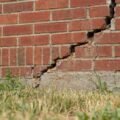
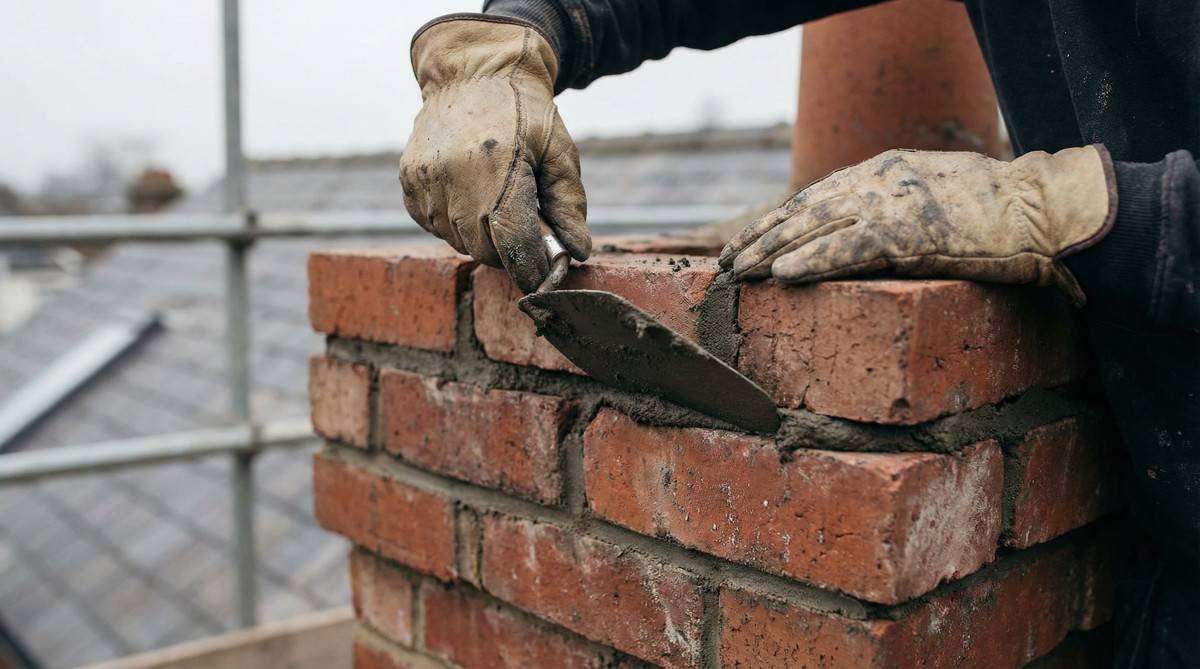
While the inside of the chimney battles intense heat, the outside battles the relentless forces of weather. Brick and mortar are naturally porous materials, meaning they absorb water from rain and melting snow. In regions that experience freezing temperatures, this absorbed moisture becomes a destructive force. When the trapped water freezes, it expands, causing the faces of the bricks to pop off—a process known as spalling—and forcing the mortar joints to crack and deteriorate. Left unchecked, a chimney can lose its structural stability and eventually collapse under its own weight.
The primary repair method for deteriorating mortar is a process called tuckpointing or repointing. This involves a skilled mason carefully grinding out the damaged, crumbling mortar to a specific depth and replacing it with fresh mortar that matches the original color and composition. This not only restores the structural integrity of the chimney stack but also seals it against further water intrusion. Once the masonry is repaired and fully cured, applying a high-quality, breathable siloxane-based water repellent is highly recommended. Unlike standard sealers that trap moisture inside the brick, a breathable repellent allows internal water vapor to escape while preventing exterior rain from soaking in.
The Importance of Chimney Caps and Crowns
Answer Capsule: A functional chimney cap and a solid concrete crown are your first lines of defense against the elements. They prevent rainwater, snow, and nesting animals from entering the flue, which can cause severe internal water damage and dangerous blockages.
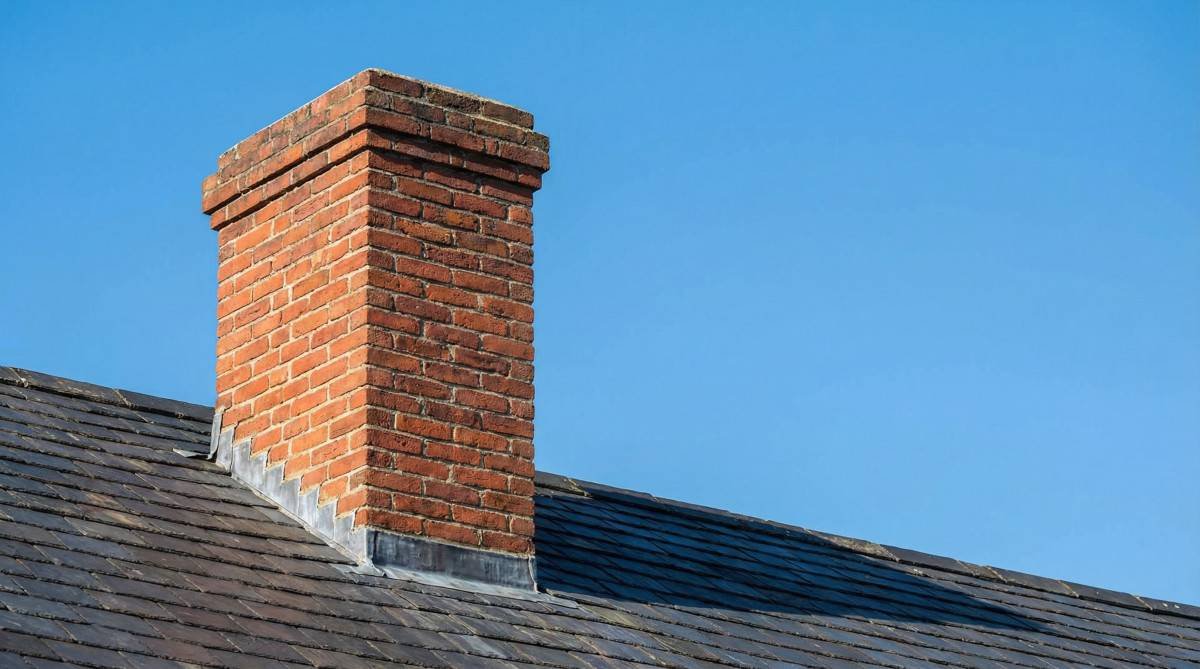
The top of the chimney is its most vulnerable point, yet it is protected by two distinct components: the crown and the cap. The chimney crown is the flat, usually concrete surface at the very top of the masonry structure. Its purpose is to seal the top of the chimney wall and slope downward to direct water away from the flue opening. If the crown cracks—often due to shrinkage or freeze-thaw cycles—water will pour directly into the chimney structure, rusting the damper and destroying the firebox from the top down. A cracked crown must be sealed with a flexible elastomeric coating or completely rebuilt by a professional.
Sitting above the crown, attached directly to the flue pipe, is the chimney cap. Usually made of stainless steel or copper, the cap acts like an umbrella for the flue. It prevents rain and snow from falling straight down the chimney, which would mix with soot to create a highly acidic, foul-smelling slurry. Furthermore, a proper cap includes a heavy-duty mesh screen. This screen is vital for keeping out birds, raccoons, and squirrels that frequently attempt to build nests inside the warm, protected environment of a chimney. A nest blockage can force deadly carbon monoxide back into the living space when a fire is lit.
Inspecting and Repairing the Flue Liner
Answer Capsule: The flue liner protects the combustible materials of your home from the intense heat of the fire. If the clay tile liner is cracked or crumbling, it must be repaired or replaced with a stainless steel liner to ensure safe operation.
The flue liner is the inner channel of the chimney that contains the smoke and guides it out of the house. Historically, most chimneys were built with terracotta clay tiles. The primary function of this liner is to insulate the surrounding combustible materials—such as the wood framing of the house—from the extreme heat of the fire. It also protects the brick and mortar from the acidic byproducts of combustion. According to the Chimney Safety Institute of America, operating a chimney without a fully intact liner is considered extremely hazardous.
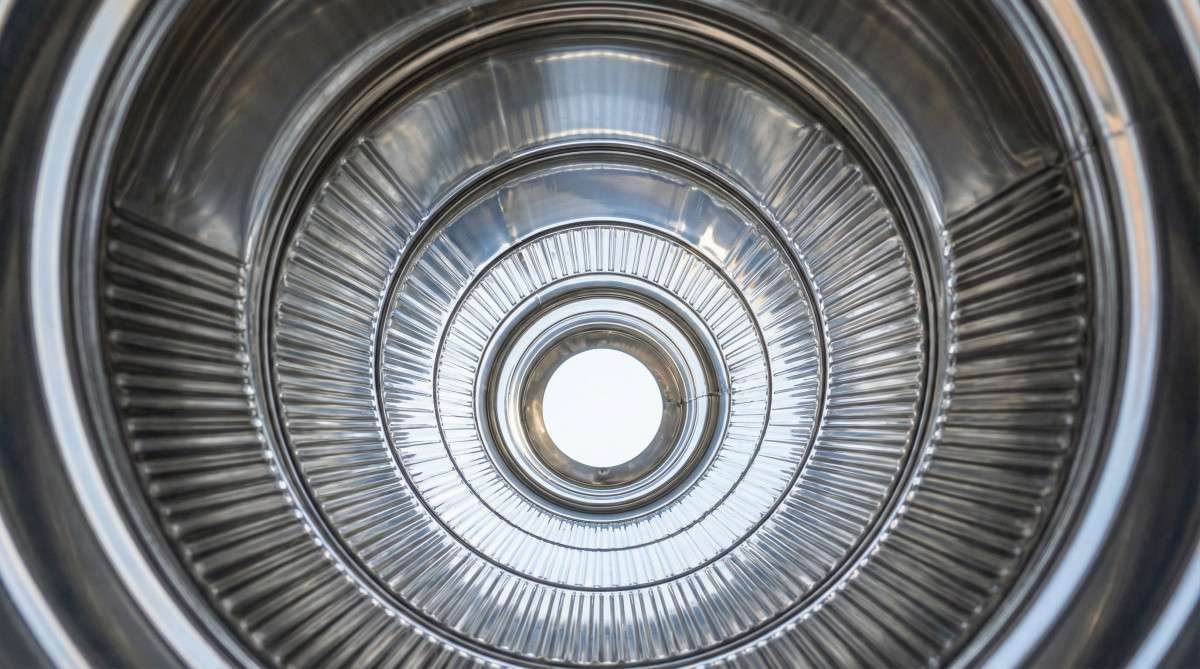
Over time, clay liners can crack due to thermal shock (rapid heating and cooling), a previous chimney fire, or simple settling of the home’s foundation. If a homeowner finds pieces of clay tile sitting in the firebox, it is a definitive sign that the liner is failing. A compromised liner allows heat to escape into the walls, creating a severe fire hazard. The most common and effective repair for a damaged clay liner is to have a professional install a continuous, corrugated stainless steel liner down the entire length of the chimney. This modern solution is highly durable, improves drafting efficiency, and carries a lifetime warranty.
Frequently Asked Questions
How often should I have my chimney inspected and cleaned?
The National Fire Protection Association (NFPA) strongly recommends that all chimneys, fireplaces, and vents be professionally inspected at least once a year. Actual sweeping and cleaning should be performed as necessary based on that inspection, though a general rule of thumb is to sweep the chimney after burning approximately one full cord of wood.
Can I clean my chimney myself?
While minor maintenance like safely clearing cold ash from the firebox is a standard DIY task, sweeping the actual flue requires specialized wire brushes, heavy-duty vacuums, and a deep understanding of creosote buildup. Because of the high risk of leaving flammable stage-three creosote behind, it is highly recommended to hire a certified, professional chimney sweep.
What are the signs that my chimney needs repair?
Key indicators include white, powdery staining (efflorescence) on the exterior brick, crumbling or missing mortar joints, finding pieces of clay or rust in the fireplace, water pooling in the firebox after a rainstorm, or a strong, persistent smoky odor in the room even when a fire is not actively burning.
Conclusion
Answer Capsule: Proper chimney repair and care is non-negotiable for the safety and longevity of your home. By combining responsible burning practices with annual professional inspections, you can enjoy your fireplace without the looming threat of fire or structural failure.
A fireplace is a wonderful amenity that adds significant value and comfort to a home, but it is a system that demands respect and regular maintenance. The forces acting against a chimney are formidable: intense internal heat and corrosive gases battle from the inside, while freezing rain and shifting foundations attack from the outside. Ignoring these factors transforms a cozy feature into a severe hazard.
By committing to an annual inspection schedule, addressing masonry repairs like tuckpointing promptly, and ensuring that caps, crowns, and liners are in perfect working order, homeowners can effectively neutralize these risks. Investing in professional chimney care is not just about preserving bricks and mortar; it is about guaranteeing the safety of your family and the long-term security of your home, allowing you to enjoy the warmth of the fire with complete peace of mind.