The electrical panel, often referred to as the breaker box, is the beating heart of a home’s electrical system. It is responsible for receiving power from the utility company and safely distributing it to every circuit, appliance, and outlet throughout the property. However, as residential power demands have skyrocketed over the past few decades—driven by the proliferation of smart home devices, high-efficiency HVAC systems, and electric vehicles—many older electrical panels are now dangerously overburdened. An outdated or inadequate electrical panel is not merely an inconvenience; it represents a significant fire hazard and a major liability for homeowners.
Recognizing the signs that an electrical panel requires an upgrade is a critical component of responsible homeownership. While the upfront cost of an upgrade may seem substantial, the investment is essential for ensuring the safety of the occupants, protecting sensitive modern electronics from power surges, and accommodating future technological advancements. This comprehensive guide will explore the primary reasons for upgrading an electrical panel, the clear warning signs of a failing system, and the significant benefits that a modernized power center brings to a residential property.
Understanding the Need for Increased Capacity
Answer Capsule: The primary reason for an electrical panel upgrade is to increase the home’s total amperage capacity, typically from an outdated 60 or 100 amps to a modern standard of 200 amps, allowing for the safe operation of modern appliances.
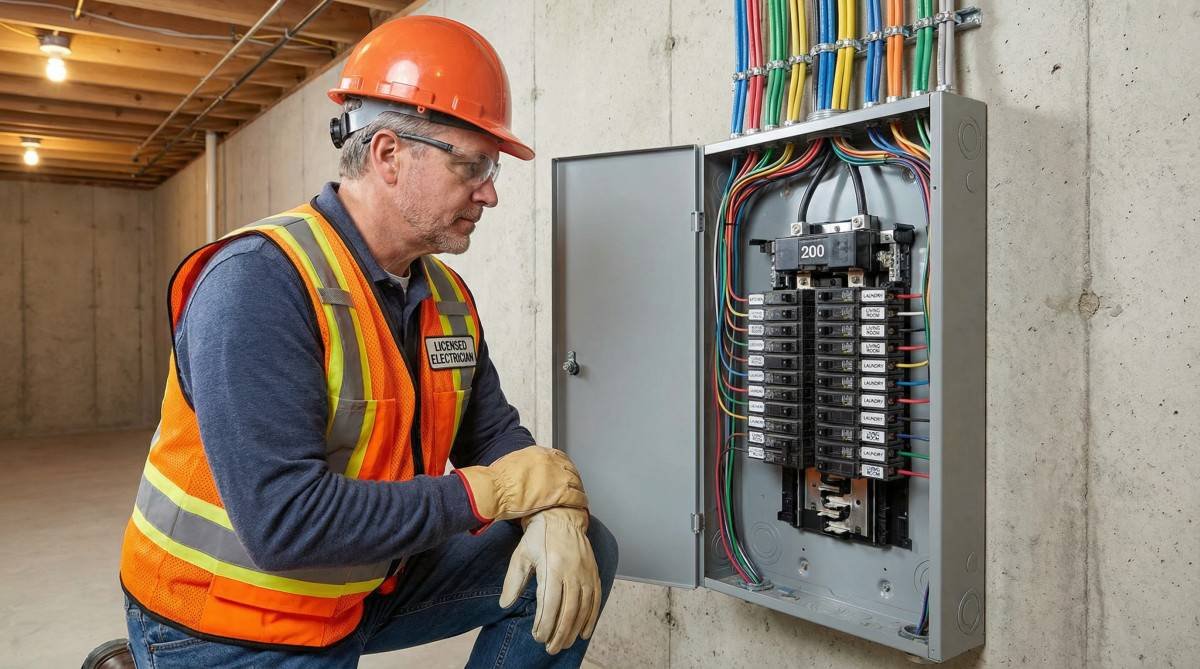
Many homes built before the 1990s were equipped with electrical panels designed to handle 60 or 100 amps of total power. At the time, this was perfectly sufficient for running basic lighting, a refrigerator, and a television. Today, however, the average household relies on multiple energy-intensive appliances operating simultaneously, including central air conditioning, electric ranges, dual ovens, and high-capacity clothes dryers. When the total electrical draw exceeds the panel’s capacity, the system becomes overloaded, leading to frequently tripped breakers and potentially dangerous overheating.
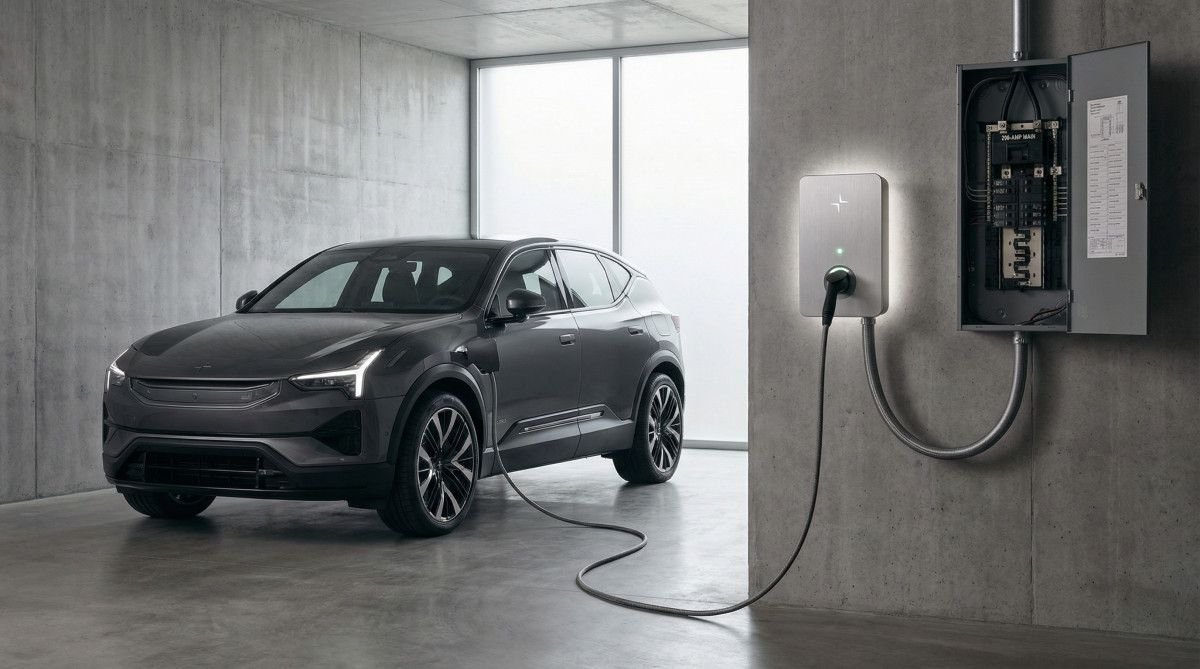
Upgrading to a modern 200-amp panel—the current minimum standard for new residential construction—provides the necessary bandwidth to support contemporary lifestyles safely. This increased capacity not only prevents nuisance tripping but also allows homeowners to confidently add new major appliances or undertake significant renovations, such as finishing a basement or adding a home addition, without fear of exceeding their electrical system’s limits. Furthermore, as the transition to electric vehicles (EVs) accelerates, a 200-amp panel is generally considered a prerequisite for installing a Level 2 home charging station, which draws a substantial amount of dedicated power.
Identifying Warning Signs of a Failing Panel
Answer Capsule: Homeowners should urgently consider a panel upgrade if they experience frequently tripping breakers, flickering lights, a burning odor near the breaker box, or if the panel still uses outdated fuses instead of circuit breakers.
An electrical panel will often exhibit clear warning signs before a catastrophic failure occurs. The most common symptom of an overloaded or failing panel is the frequent tripping of circuit breakers. While a breaker tripping occasionally is a normal safety function, a breaker that trips repeatedly under normal load indicates a systemic issue that requires professional attention. Similarly, if lights dim or flicker noticeably when a large appliance, such as a microwave or an air conditioner, turns on, it suggests that the panel is struggling to distribute power effectively.
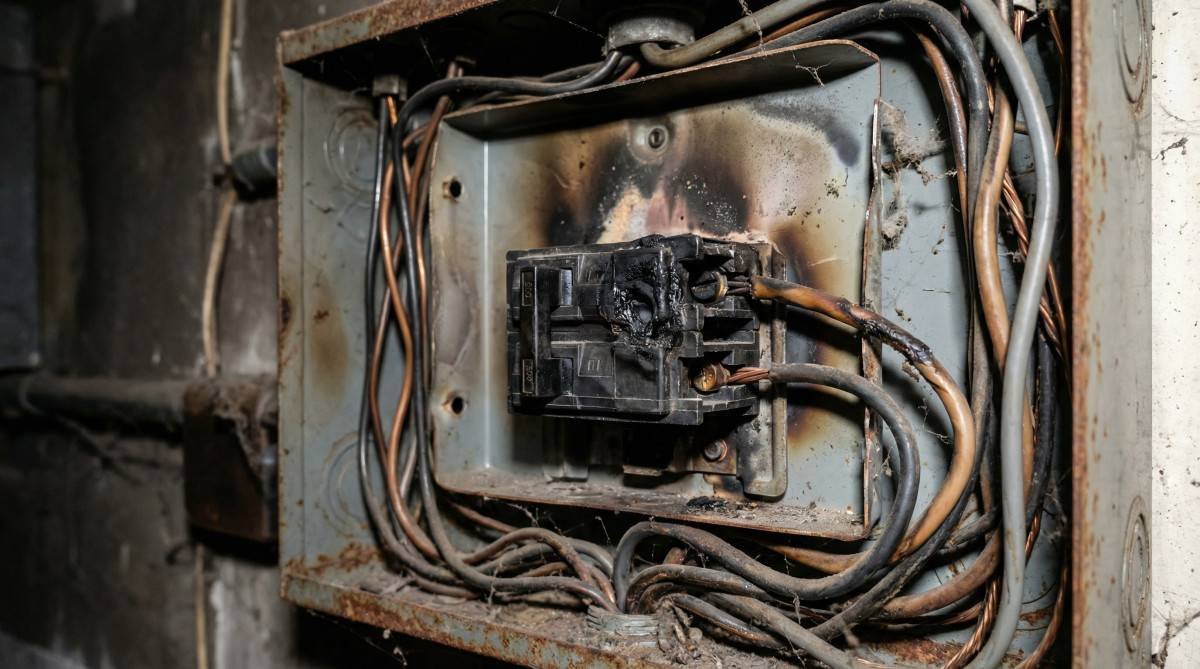
More severe warning signs demand immediate action. If a homeowner detects a faint burning odor, a persistent buzzing or crackling sound emanating from the panel, or if the panel itself feels warm to the touch, it indicates that electrical arcing or severe overheating is occurring within the box. This is an imminent fire hazard. Additionally, if a home still relies on an antiquated fuse box rather than a modern circuit breaker panel, an upgrade is strongly recommended. Fuse boxes are not inherently unsafe if maintained perfectly, but they were not designed for modern power loads, and the temptation to install oversized fuses to prevent blowouts creates a massive fire risk.
The Dangers of Obsolete Panel Brands
Answer Capsule: Certain historical electrical panel brands, specifically Federal Pacific Electric (FPE) and Zinsco, are notorious for severe manufacturing defects and must be replaced immediately due to an unacceptably high risk of fire.
Beyond capacity issues, the specific brand of an existing electrical panel can necessitate an immediate upgrade. During the mid-20th century, millions of homes were equipped with panels manufactured by Federal Pacific Electric (FPE) and Zinsco. Extensive independent testing and decades of real-world data have proven that these specific panels suffer from critical design flaws. The primary issue with FPE Stab-Lok panels and Zinsco panels is that their circuit breakers frequently fail to trip when overloaded or when a short circuit occurs. Instead of cutting the power, the breakers allow the current to continue flowing, causing the wires to overheat rapidly and potentially ignite surrounding building materials.
Because these defects are internal to the breakers, an FPE or Zinsco panel may appear perfectly fine from the outside while harboring a hidden, lethal danger. Many home inspectors and insurance companies will flag these specific panels during a real estate transaction, and some insurers may refuse to underwrite a policy or demand a significantly higher premium until the obsolete panel is completely replaced with a modern, safety-compliant system from a reputable manufacturer.
Frequently Asked Questions
How much does it cost to upgrade an electrical panel?
The cost of upgrading an electrical panel typically ranges from $1,500 to $3,000, depending on the complexity of the installation, the region, and whether the service drop (the wires connecting the utility pole to the house) also needs to be upgraded by the power company to accommodate the increased amperage.
How long does a panel upgrade take?
A professional electrical panel upgrade generally takes a licensed electrician between 4 and 8 hours to complete. During this time, the power to the home will be completely shut off, so homeowners should plan accordingly.
Can I upgrade my electrical panel myself?
No. Upgrading an electrical panel is a highly complex and dangerous procedure that involves working with lethal amounts of live current. It must only be performed by a licensed, insured electrician, and the work requires a permit and a subsequent inspection by local municipal authorities to ensure code compliance.
Conclusion
Answer Capsule: Upgrading an electrical panel is a vital investment that eliminates severe fire hazards, ensures compliance with modern safety codes, and provides the capacity necessary to power contemporary home technologies.
The electrical panel is the foundation upon which a safe and functional home operates. Ignoring the warning signs of an overloaded, outdated, or defective panel is a gamble with devastating potential consequences. By proactively upgrading to a modern 200-amp system, homeowners effectively future-proof their properties, ensuring that the electrical infrastructure can safely support everything from high-efficiency climate control systems to the rapid charging of electric vehicles.
While the process requires a significant financial commitment and the expertise of a licensed professional, the peace of mind gained is invaluable. A new electrical panel not only dramatically reduces the risk of electrical fires but also protects expensive appliances from power fluctuations and can even increase the resale value of the property. When it comes to residential electricity, prioritizing safety through modernization is always the wisest choice.