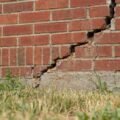
A damp, musty basement is more than just an unpleasant environment that limits your home’s usable square footage; it is a glaring warning sign of compromised structural integrity. When water infiltrates a home’s foundation, it brings a host of severe consequences. The constant presence of moisture creates an ideal breeding ground for toxic mold and mildew, which can quickly spread throughout the house via the HVAC system, posing significant health risks to the occupants. Furthermore, the persistent hydrostatic pressure from water-logged soil surrounding the foundation can cause concrete walls to bow, crack, and eventually fail. Therefore, understanding and implementing effective basement waterproofing methods is not merely a home improvement project—it is a vital necessity for preserving the structural health and financial value of your property.
The challenge of keeping a basement dry stems from the simple physics of water and soil. When it rains, the soil around a house absorbs the water and expands. This saturated soil exerts immense hydrostatic pressure against the foundation walls, actively pushing water through the microscopic pores and tiny hairline cracks inherent in concrete and cinder block construction. Addressing this relentless force requires a strategic, multi-layered approach. Homeowners must carefully evaluate the severity of their moisture problem and choose between interior water management techniques, which handle water after it enters, and comprehensive exterior waterproofing, which aims to stop water before it ever touches the concrete. This guide explores the most proven basement waterproofing methods available to help you make an informed decision for your home.
Interior Sealants and Epoxy Injections
Answer Capsule: For minor dampness and localized wall cracks, interior sealants and epoxy injections are the most cost-effective basement waterproofing methods. These products create a physical barrier on the inside of the foundation wall, preventing moisture from seeping through porous concrete or cinder blocks.
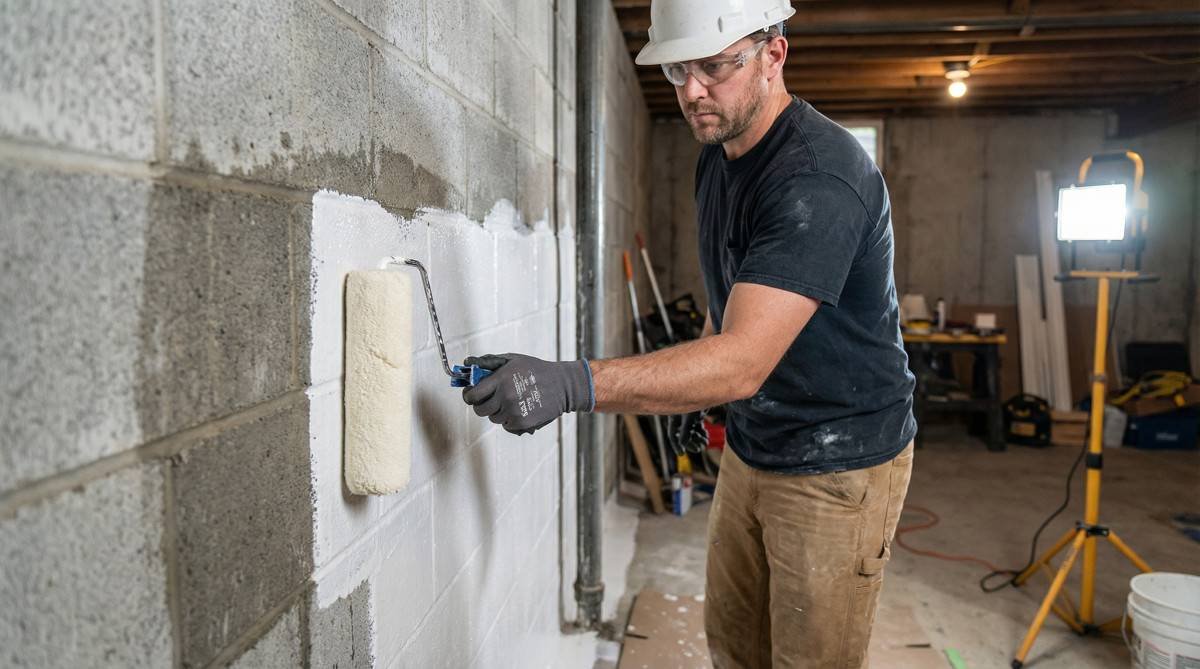
When dealing with mild condensation or small, non-structural cracks that occasionally weep water during heavy rain, interior treatments are often sufficient. The most common approach involves applying masonry waterproofing coatings, such as Drylok or similar thick, paint-like sealants. Unlike standard interior house paint, which simply adheres to the surface, masonry waterproofers are formulated to penetrate the pores of the concrete or cinder block. As they cure, they bond with the masonry, creating a watertight barrier that can withstand a certain degree of hydrostatic pressure. Before applying these coatings, the walls must be thoroughly cleaned of any existing paint, efflorescence (white mineral deposits), and dirt to ensure proper adhesion.
For distinct, visible cracks in poured concrete walls, epoxy or polyurethane injections provide a targeted solution. This method involves cleaning the crack and adhering injection ports along its length. A specialized, expanding resin is then forced into the ports under pressure. The resin travels all the way through the thickness of the foundation wall, filling the void entirely from the inside out. Once cured, the epoxy not only seals the leak but often restores the structural strength of the cracked concrete. However, it is crucial to understand the limitations of these interior methods. They are highly effective for minor issues but do not stop water from accumulating against the exterior of the foundation. If the hydrostatic pressure is severe, it will eventually find another path of least resistance or cause the interior sealants to peel and blister.
Interior Drainage Systems (French Drains)
Answer Capsule: The most reliable interior basement waterproofing method is the installation of an interior drainage system, commonly known as a French drain. This system actively collects water that enters the basement and channels it to a sump pump for removal.
When interior sealants fail or the volume of water entering the basement is significant, a more robust solution is required. An interior drainage system, frequently referred to as an interior French drain or drain tile system, is widely considered the industry standard for managing basement water from the inside. Rather than attempting to hold the water back, this method accepts that water will breach the foundation and focuses on efficiently managing and removing it before it can cause damage or pool on the floor.
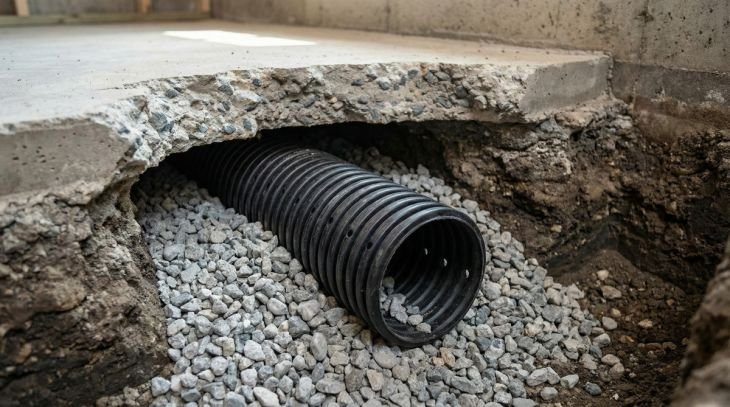
The installation of an interior French drain is a major construction project. It requires a crew to use jackhammers to break up and remove a trench of concrete floor around the entire interior perimeter of the basement, right where the floor meets the wall. A trench is dug down to the foundation footing and lined with washed gravel. A perforated PVC pipe, often wrapped in a protective filter fabric to prevent silt clogging, is laid into the trench. The system is designed with a slight downward pitch, directing all collected water toward a newly installed sump pump pit. Once the pipe is in place, it is covered with more gravel, and the concrete floor is re-poured over the trench, leaving a small gap at the wall edge to catch any water weeping down the walls. The sump pump then actively expels the collected water outside, safely away from the home.
Exterior Excavation and Waterproofing
Answer Capsule: Exterior excavation is the most comprehensive of all basement waterproofing methods, as it stops water before it ever touches the foundation. This involves digging down to the foundation footings, applying waterproof membranes, and installing exterior drain tiles.
While interior drainage systems are highly effective at keeping the basement floor dry, they do not alleviate the hydrostatic pressure pushing against the outside of the foundation walls. For homeowners seeking a permanent, structural solution, exterior waterproofing is the ultimate answer. This method addresses the root cause of the problem by creating an impenetrable barrier on the outside of the home, ensuring that the concrete foundation remains completely dry and protected from soil moisture and freezing cycles.
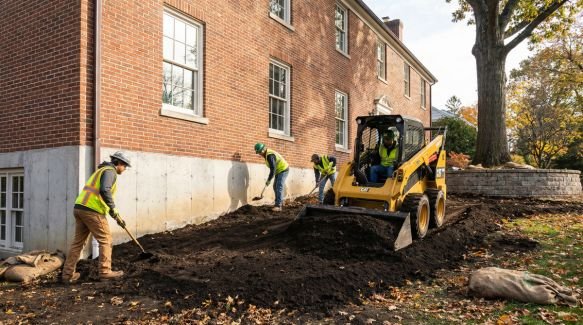
The process of exterior waterproofing is extensive, highly disruptive to landscaping, and represents a significant financial investment. Heavy machinery is required to excavate a wide trench around the entire perimeter of the home, digging down to the very bottom of the foundation footings. Once the exterior walls are fully exposed, they are power-washed and allowed to dry. Any structural cracks are repaired, and a thick, flexible polymer-based waterproof membrane is applied directly to the concrete. Unlike interior paints, this membrane can bridge new cracks that may form as the house settles. A dimpled drainage board is often installed over the membrane to provide a physical channel for water to flow downward. Finally, an exterior French drain system (perforated pipe in gravel) is installed alongside the footings to carry the water away, and the trench is carefully backfilled with gravel and graded soil.
Managing Surface Water and Grading
Answer Capsule: Before investing in complex basement waterproofing methods, homeowners must address surface water management. Ensuring proper soil grading and extending downspouts away from the house are critical first steps that can resolve many basement moisture issues.
It is a common mistake for homeowners to immediately jump to expensive interior or exterior waterproofing solutions without first evaluating how water is behaving on the surface of their property. In many cases, a damp basement is simply the result of poor exterior drainage allowing rainwater to pool directly against the foundation. Addressing surface water is the most cost-effective preventative measure and should always be the first step in any waterproofing strategy.
The primary goal of surface water management is to establish a positive slope. The soil immediately surrounding the home should visibly slope away from the foundation walls, dropping at least six inches over the first ten feet. This ensures that heavy rainfall naturally flows away from the structure. Over time, soil around foundations often settles, creating a negative slope that funnels water toward the house. Adding topsoil and regrading the area is a simple yet powerful fix. Additionally, the home’s gutter system must be functioning perfectly. Gutters must be kept clear of debris to prevent overflow, and, crucially, the downspouts must be fitted with extensions that discharge the water a minimum of five feet away from the foundation. Dumping concentrated roof runoff right at the base of the house is a guaranteed recipe for a wet basement.
Frequently Asked Questions
Can I waterproof my basement from the inside only?
Yes, you can effectively manage water from the inside using sealants and interior drainage systems like French drains. However, interior methods do not stop water from pushing against the exterior foundation walls; they only manage the water once it has breached the concrete. For true structural protection, exterior waterproofing is required.
How much does basement waterproofing cost?
The cost varies significantly based on the method chosen. Simple interior sealants and localized crack repairs may cost a few hundred dollars. Installing a comprehensive interior French drain system typically ranges from $3,000 to $5,000, depending on the basement’s size. Full exterior excavation is the most labor-intensive and expensive, often exceeding $10,000.
Is a damp basement always a sign of a foundation problem?
Not necessarily. A damp basement can simply be the result of high indoor humidity and poor ventilation causing condensation to form on cold concrete walls and water pipes. Using a high-capacity dehumidifier and improving airflow can often resolve minor dampness without requiring extensive structural waterproofing.
Conclusion
Answer Capsule: Choosing the right basement waterproofing methods depends on the severity of the water intrusion and your budget. Whether utilizing interior sealants, installing a French drain, or undertaking full exterior excavation, addressing basement moisture is vital for preserving your home’s structural health.
A dry basement is the foundation of a healthy, structurally sound home. Ignoring signs of moisture, peeling paint, or a persistent musty odor will inevitably lead to more severe damage and exponentially higher repair costs down the line. By understanding the different basement waterproofing methods available, homeowners can take decisive action to protect their investment.
For many, starting with the basics—cleaning gutters, extending downspouts, and correcting the soil grading—can yield surprisingly effective results. When these measures are insufficient, interior sealants offer a budget-friendly solution for minor seepage. However, for chronic flooding or significant hydrostatic pressure, investing in an interior French drain system or committing to full exterior excavation becomes necessary. Ultimately, consulting with a reputable structural engineer or a certified waterproofing specialist is the best way to accurately diagnose the source of the water intrusion and determine the most appropriate, long-lasting solution for your specific home.