Designing flexible spaces is a practical response to changing space demands across schools and training centers. Portable classrooms offer a functional way to expand or adapt learning environments without permanent construction; these structures can be easily reconfigured for different purposes, such as adding rooms or changing office layouts, and are built with durable materials and ergonomic designs. Here are a few tips for designing flexible spaces using portable classrooms:
Maximize Facility Flexibility
Modular construction moves new rooms from design to occupancy quickly. Building modules are fabricated in a factory while site work occurs, allowing construction to progress simultaneously. Coordinated processes shorten the project timeline, and students can use the new spaces sooner than if they were constructing a brick-and-mortar building. Shorter construction periods also reduce noise and disruption.
Schools can also accommodate rising enrollment more efficiently. Multi-purpose layouts serve as classrooms, activity spaces, or labs as needed. Computer labs and seminar rooms support instruction and testing. Open-span gymnasiums allow flexibility for assemblies and after-school programs. Using multi-purpose rooms helps reduce reliance on single-use facilities.
Portable classrooms serve more than students, and gyms, lecture halls, and cafeterias can be used as assembly spaces by outside groups such as sports teams and community organizations. Schools are used as local hubs offering adult education classes and job training programs for the community. By integrating modular and multi-purpose rooms, schools can also host public workshops and community meetings without disrupting regular classes.
Optimize Spaces for Education
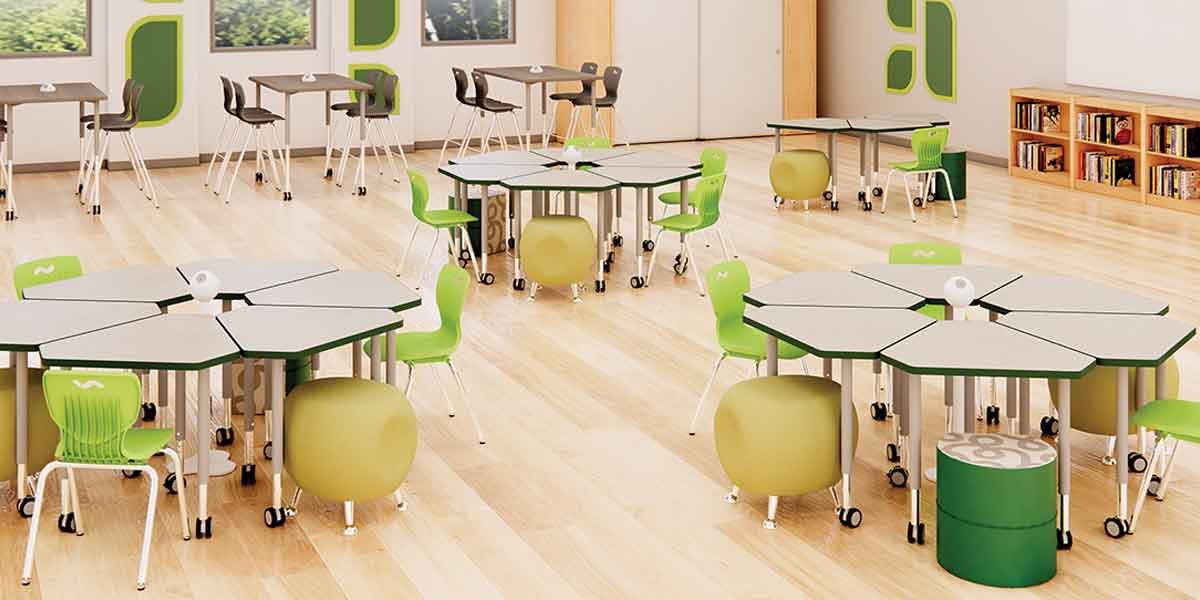
Custom floor plans create environments suited to specific programs. Laboratories can support advanced science experiments, while studios provide lighting and space for art projects. Fittings and finishes are chosen to match instructional needs. Portable classrooms are able to include movable walls to divide space for small-group instruction or open layouts for collaborative projects. Adjustable shelving, modular desks, and built-in technology stations allow rooms to adapt quickly to different subjects or activities. Rooms can be configured to fit varying schedules and learning activities, promoting engagement and functionality. Even amenities such as acoustic panels, specialized lighting, or temperature controls are added to optimize comfort and focus. Custom designs provide the capacity and flexibility that specialized programs require for effective education.
Implement Safe Classroom Designs
Portable classrooms include safety features built into their design. Centralized hallways provide clear paths from classrooms to exits, supporting efficient evacuation. Alarm systems signal emergencies, and security cameras monitor entrances, hallways, and exterior areas. Rooms can also be arranged to allow staff to observe student activity easily. Lockable doors, controlled access points, and reinforced entryways provide additional security without disrupting daily use. Emergency lighting and clearly marked exit signs guide students and staff during low-visibility situations.
Ventilation systems circulate fresh air, and operable windows provide natural airflow. Large windows admit daylight, which helps maintain a well-lit environment. These design elements contribute to comfortable conditions while allowing staff to maintain oversight. Fire-resistant materials and durable finishes reduce hazards, and modular classrooms integrate safety and security measures from the start, making them functional and accessible without adding unnecessary complexity.
Facilitate Smooth Campus Expansion
Portable classrooms reduce interruptions by moving much of the construction off-site. Modules are built in a factory while crews prepare the site, allowing assembly to progress quickly. Pre-fabricated units are delivered and installed, which limits noise, debris, and on-site activity. Installation can often occur while students continue classes, keeping daily operations on schedule. Pathways and corridors connect new wings to existing buildings, supporting smooth movement across a campus. Cafeterias, gyms, and other shared spaces continue to support key services, such as supplies, transportation, and waste management, during expansion. Flexible layouts allow rooms to adapt to evolving curriculum needs or changes in class size. By combining rapid assembly with adaptable designs, portable classrooms help schools adjust to growth and shifting requirements without major disruptions.
Explore Available Portable Classrooms Today
Use modular buildings to expand learning opportunities and meet your school’s needs. These flexible, permanent learning environments are constructed efficiently by qualified professionals. Viewing available modular buildings online lets you see how a thoughtful design supports both education and community activities. Portable units combine modular construction with durable finishes, creating schools that feel permanent while adapting to changing instructional requirements. Reach out to suppliers today to get your high-quality portable classrooms.