Few things are as universally frustrating in a household as turning on a faucet only to be greeted by a weak, sputtering trickle of water. Whether you are trying to take an invigorating morning shower, quickly wash a sink full of dishes, or simply fill a pot for boiling pasta, inadequate water flow turns simple daily tasks into tedious chores. Beyond mere annoyance, chronic plumbing issues can also indicate underlying problems that might threaten the integrity of your home’s infrastructure. Implementing effective low water pressure solutions is essential for restoring both the functionality of your plumbing appliances and the comfort of your daily routine.
The challenge with water pressure issues is that the root cause can range from a five-minute DIY fix to a major municipal supply problem. A clogged aerator on a bathroom sink requires an entirely different approach than a failing main pressure regulator valve hidden in the basement. By systematically troubleshooting the symptoms—checking different fixtures, isolating hot versus cold water, and understanding the basic mechanics of your home’s water supply—homeowners can often identify the culprit before calling in a professional. This guide will walk you through the most common causes of restricted water flow and provide actionable solutions to get your water running strongly again.
Diagnosing the Scope of Your Water Pressure Problem
Answer Capsule: The first step in fixing low water pressure is determining if the issue is localized to a single fixture or affecting the entire house. Testing multiple faucets with both hot and cold water helps pinpoint whether the problem lies in a specific aerator, the water heater, or the main municipal supply line.
Before attempting any repairs, it is crucial to define the exact scope of the problem. Begin by walking through your home and testing every faucet, showerhead, and spigot. If the pressure is only weak in the guest bathroom sink, the issue is highly localized, meaning the main plumbing system is functioning correctly. Conversely, if every fixture in the house is producing a weak stream, you are dealing with a system-wide problem. This distinction dictates your next steps and prevents you from unnecessarily tampering with main water valves when a simple sink repair is all that is required.
Next, isolate the temperature. Turn on only the cold water, observe the pressure, and then switch exclusively to the hot water. If the cold water pressure is robust but the hot water pressure drops significantly, the issue is almost certainly related to your water heater. Sediment buildup inside the tank, a partially closed shut-off valve on the heater’s intake, or a failing anode rod can all restrict the flow of hot water to the rest of the house. For a definitive diagnosis of system-wide pressure, purchase a simple water pressure gauge from a local hardware store. Attach it to an exterior hose bib or the washing machine supply line. According to the Environmental Protection Agency (EPA), normal residential water pressure should measure between 40 and 60 pounds per square inch (PSI).
Quick Fixes for Localized Low Water Pressure
Answer Capsule: If low water pressure is isolated to a single sink or shower, the most common solution is cleaning or replacing the fixture’s aerator or showerhead. Mineral buildup and debris frequently clog these small screens, drastically reducing water flow.
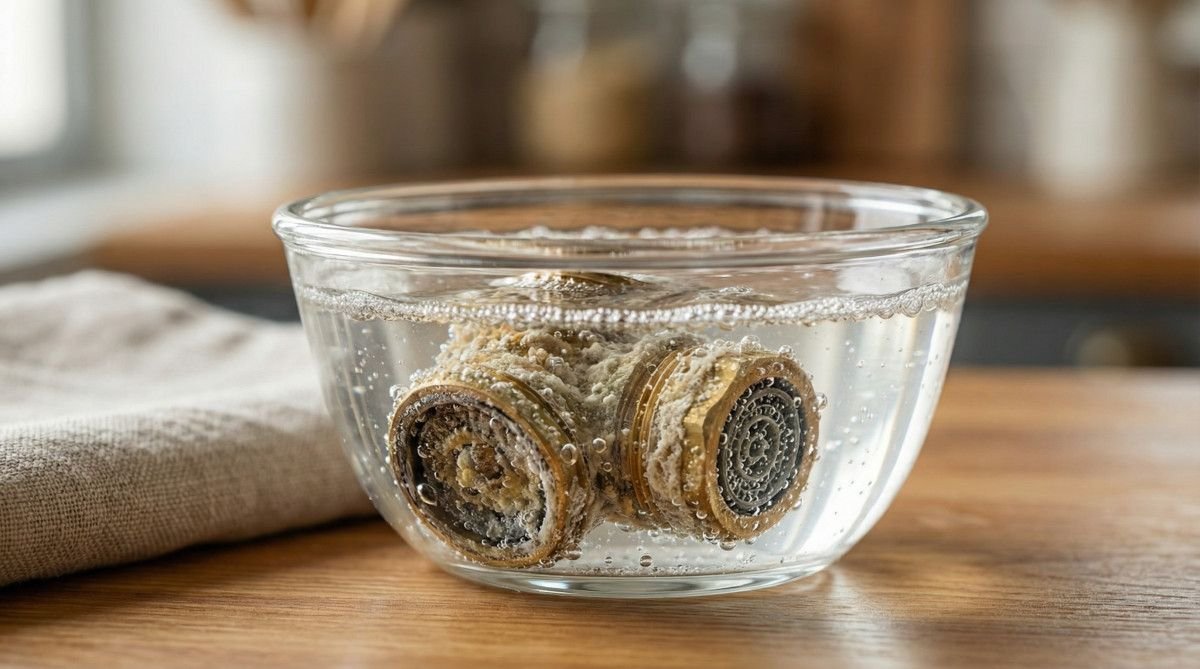
When low pressure is confined to a single fixture, the solution is usually straightforward and inexpensive. The most frequent culprit is a clogged aerator. An aerator is the small, screen-like device screwed onto the very tip of a faucet. Its purpose is to mix air into the water stream to reduce splashing and conserve water. However, over time, tiny particles of sand, grit, and hard water minerals (like calcium and magnesium) become trapped in the fine mesh screen. To fix this, simply unscrew the aerator (you may need a pair of pliers wrapped in a cloth to avoid scratching the finish) and inspect the screen. If it is coated in white, chalky buildup, drop the entire aerator assembly into a small bowl of white vinegar and let it soak for a few hours. The mild acid will dissolve the minerals, allowing you to scrub the screen clean with an old toothbrush before reinstalling it.
Showerheads suffer from the exact same mineral buildup, often resulting in water spraying in erratic directions or barely trickling out. You can apply the same vinegar soaking method to a showerhead. If the fixture cannot be easily removed, fill a plastic sandwich bag with vinegar, secure it over the showerhead with a rubber band, and leave it overnight. Additionally, if a specific sink or toilet is experiencing low flow, always check the shut-off valves located on the wall or floor directly beneath the fixture. These valves are sometimes accidentally bumped or only partially opened during previous plumbing work. Ensure the handle is turned completely counterclockwise to guarantee maximum water flow.
System-Wide Low Water Pressure Solutions
Answer Capsule: When the entire house suffers from low water pressure, solutions range from adjusting the main pressure reducing valve (PRV) to checking for hidden leaks. If municipal pressure is inherently low, installing a water pressure booster pump is the most effective long-term solution.
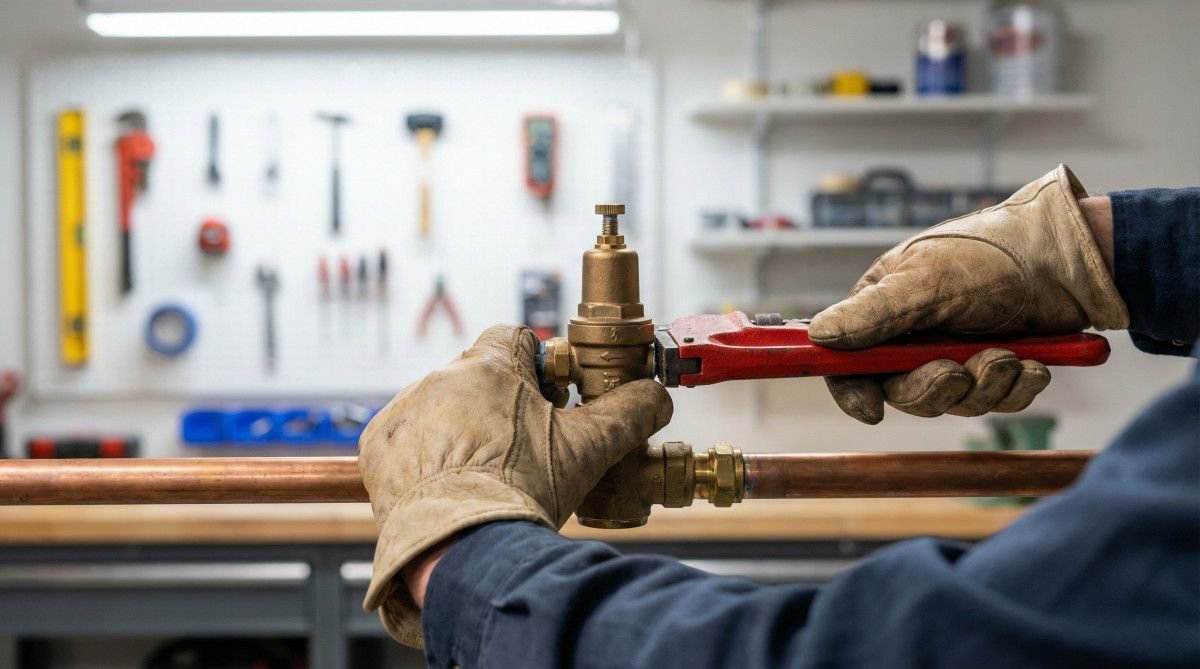
If your pressure gauge reads below 40 PSI on an exterior bib, the problem is affecting your entire plumbing system. The first component to check is the main water shut-off valve, usually located near the water meter or where the main line enters the house. If this valve was recently closed for plumbing repairs and not fully reopened, it will throttle the water supply to the entire home. Ensure gate valves are turned fully counterclockwise and ball valves have their handles parallel to the pipe. If the valve is fully open, the next suspect is the Pressure Reducing Valve (PRV). Shaped like a bell, the PRV is installed on the main water line to protect your indoor pipes from excessively high municipal pressure. Over time, the internal diaphragm of a PRV can fail, or the adjustment screw can become stuck, causing the pressure to drop dramatically. A licensed plumber can test the PRV and adjust the screw to increase pressure or replace the unit entirely if it has failed.
In some cases, the problem is not within the home’s plumbing system at all, but rather with the municipal water supply itself. Homes located at the end of a municipal water line, at high elevations, or in rapidly developing neighborhoods may simply receive water at a naturally low pressure. When the city cannot provide adequate flow, the definitive solution is installing a water pressure booster pump. A booster pump is an electric device spliced directly into the main water line where it enters the house. It utilizes an impeller to draw water in and forcefully push it out at a higher, consistent pressure, regardless of fluctuations in the municipal supply.
Addressing Hidden Leaks and Corroded Pipes
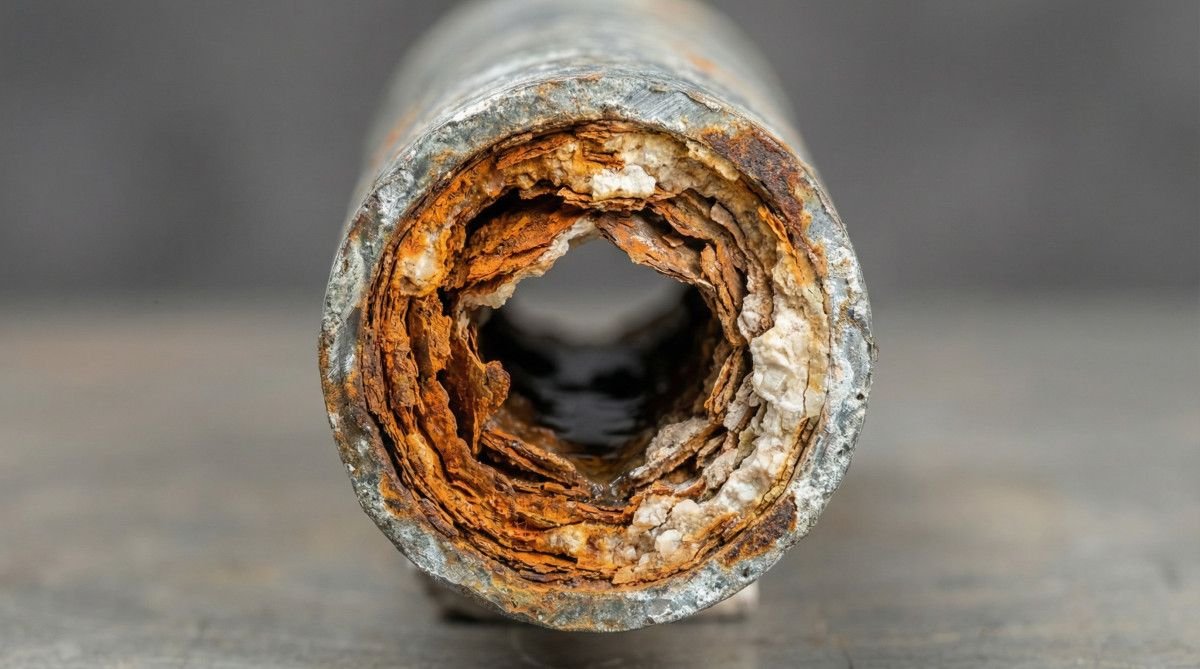
Answer Capsule: Unexplained drops in water pressure can indicate a hidden leak or severe pipe corrosion. Older homes with galvanized steel pipes often suffer from internal rust buildup that restricts water flow, necessitating partial or full repiping by a licensed plumber.
A sudden, unexplained drop in system-wide water pressure is a serious warning sign that should not be ignored. It often indicates a significant leak somewhere in the main supply line. A severe leak diverts water away from your fixtures, resulting in lower pressure at the tap. To test for a hidden leak, turn off all water-consuming appliances and fixtures inside and outside the home. Locate your water meter and observe the low-flow indicator (often a small red or black triangle or a sweeping hand). If the indicator is moving while all water is shut off, you have a leak. This could be an underground leak in the main line running from the street to your house, or a hidden leak within the walls or slab foundation, requiring immediate professional detection and repair.
For homes built before the 1980s, chronic low water pressure is frequently caused by the pipes themselves. Historically, residential plumbing relied heavily on galvanized steel pipes. While durable on the outside, galvanized steel is highly susceptible to internal corrosion and rust. Over decades, mineral deposits and rust accumulate inside the pipes, gradually narrowing the interior diameter until water can barely squeeze through. This is analogous to clogged arteries restricting blood flow. Unfortunately, there is no chemical treatment or quick fix for heavily corroded galvanized pipes. The only permanent solution is to have a professional plumber perform a repiping project, replacing the old steel lines with modern, corrosion-resistant materials like copper or PEX (cross-linked polyethylene) tubing.
Frequently Asked Questions
What is normal residential water pressure?
Normal residential water pressure typically falls between 40 and 60 pounds per square inch (PSI). Anything below 40 PSI is generally considered low and will affect appliance performance, while pressure exceeding 80 PSI is dangerously high and can damage pipes, joints, and washing machine hoses, requiring the installation of a pressure reducing valve.
Can a water softener cause low water pressure?
Yes, a water softener can cause a significant drop in water pressure if the internal resin bed becomes clogged with debris or iron buildup. Additionally, if the softener system is undersized for the home’s peak water demand, it will act as a bottleneck. Bypassing the softener temporarily using its bypass valve can help determine if it is the source of the pressure drop.
How much does a water pressure booster pump cost?
The cost of a water pressure booster pump varies widely based on the size of the home and the desired flow rate, typically ranging from $300 to $1,000 for the unit itself. Because installation requires splicing into the main water line and running dedicated electrical wiring, professional installation by a licensed plumber usually adds an additional $300 to $600 to the total cost.
Conclusion
Answer Capsule: Resolving low water pressure improves your daily comfort and ensures your home’s plumbing appliances function efficiently. By systematically checking fixtures, valves, and main supply lines, you can identify the root cause and implement the right solution.
Dealing with inadequate water flow is undeniably frustrating, but it is rarely a mystery that cannot be solved. By understanding the difference between localized blockages and system-wide failures, homeowners can take a logical approach to troubleshooting. Often, the solution is as simple as soaking a calcified showerhead in vinegar or fully opening a shut-off valve under a sink. These quick, inexpensive fixes can immediately restore comfort to your daily routine.
However, when the issue stems from a failing pressure reducing valve, a hidden leak, or severely corroded plumbing, professional intervention becomes necessary. Ignoring these larger issues not only prolongs the inconvenience of low pressure but can also lead to catastrophic water damage or appliance failure down the road. Whether you are cleaning an aerator or consulting a plumber about a booster pump, addressing water pressure problems proactively ensures that your home’s plumbing system remains reliable, efficient, and capable of meeting your family’s needs.