
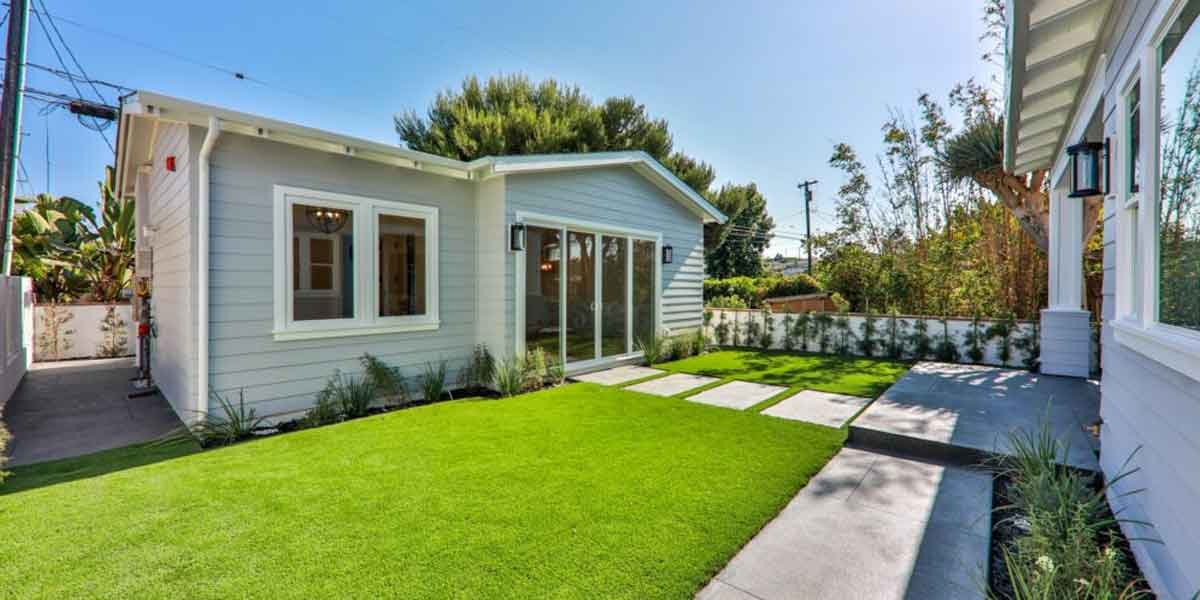
In the contemporary residential real estate market, the demand for flexible and affordable housing has led to the growing trend of accessory dwelling units (ADUs). ADUs are secondary housing units on a single-family residential lot, such as a basement apartment, a garage conversion, or a detached backyard cottage. They offer a range of benefits, from increased rental income and property value to improved housing affordability and multi-generational living. This article explores the most important aspects of ADUs in residential real estate, focusing on the role of design, zoning, and financing.
The Importance of Accessory Dwelling Units
ADUs are designed to provide a flexible and affordable housing option for homeowners and renters. They can be used for a variety of purposes, from providing a home for an aging parent or adult child to generating rental income for the homeowner.
ADU Type
Primary Benefit
Key Metric
Basement Apartment
Increases rental income and value
Square footage
Garage Conversion
Provides a flexible living space
Conversion cost
Detached Cottage
Offers privacy and independence
Setback requirements
Attached Addition
Enhances multi-generational living
Building footprint
The Role of Design and Construction
The design and construction of an ADU are critical considerations for homeowners. ADUs should be designed to complement the existing home and neighborhood, while also providing a functional and comfortable living space for the occupant. This includes everything from the selection of materials and finishes to the layout and orientation of the unit.
“Accessory dwelling units are a powerful tool for increasing housing affordability and flexibility. They offer a range of benefits for homeowners and renters alike.”
The construction of an ADU can be a complex and expensive process, requiring a range of permits and inspections. Homeowners should work with an experienced architect and contractor to ensure that the ADU is built to code and meets all the necessary safety and health standards.
The Benefits of Zoning and Regulatory Changes
Zoning and regulatory changes are another important factor in the growing trend of ADUs. Many local and state governments are relaxing their zoning laws to allow for the construction of ADUs in residential neighborhoods. This includes everything from reducing setback requirements and parking mandates to increasing the allowable size and height of the unit.
These regulatory changes are designed to encourage the construction of ADUs and increase the supply of affordable housing. By making it easier and more affordable to build an ADU, governments can help to address the housing crisis and provide more options for homeowners and renters.
The Evolution of Financing and Incentives
Financing and incentives are also playing a role in the growing trend of ADUs. Many lenders are offering specialized loan products for ADU construction, such as renovation loans and home equity lines of credit. Some local and state governments are also offering grants and tax incentives for homeowners who build an ADU.
These financial incentives are designed to make ADU construction more accessible and affordable for homeowners. By providing the necessary funding and support, governments and lenders can help to increase the supply of ADUs and improve housing affordability.
Conclusion: Investing in a Flexible and Affordable Future
In conclusion, the growing trend of accessory dwelling units is a critical component of the modern residential real estate market. By focusing on design, zoning, and financing, homeowners and developers can create a range of flexible and affordable housing options. ADUs not only provide immediate financial benefits through increased rental income and property value but also enhance the overall sustainability and resilience of the community. As the demand for flexible and affordable housing continues to grow, ADUs will remain a key driver of innovation and success. Investing in a flexible and affordable future is a strategic decision that pays off in the long run through improved housing options and reduced resource consumption.





Leave a Reply