Have you ever searched for a name online, only to find wildly different stories about the same person? One site claims he’s a visionary CEO. Another calls him a groundbreaking artist. A third insists he’s a legendary pirate hero. This confusing digital rabbit hole is exactly where many land when they look up Jack Şoparov.
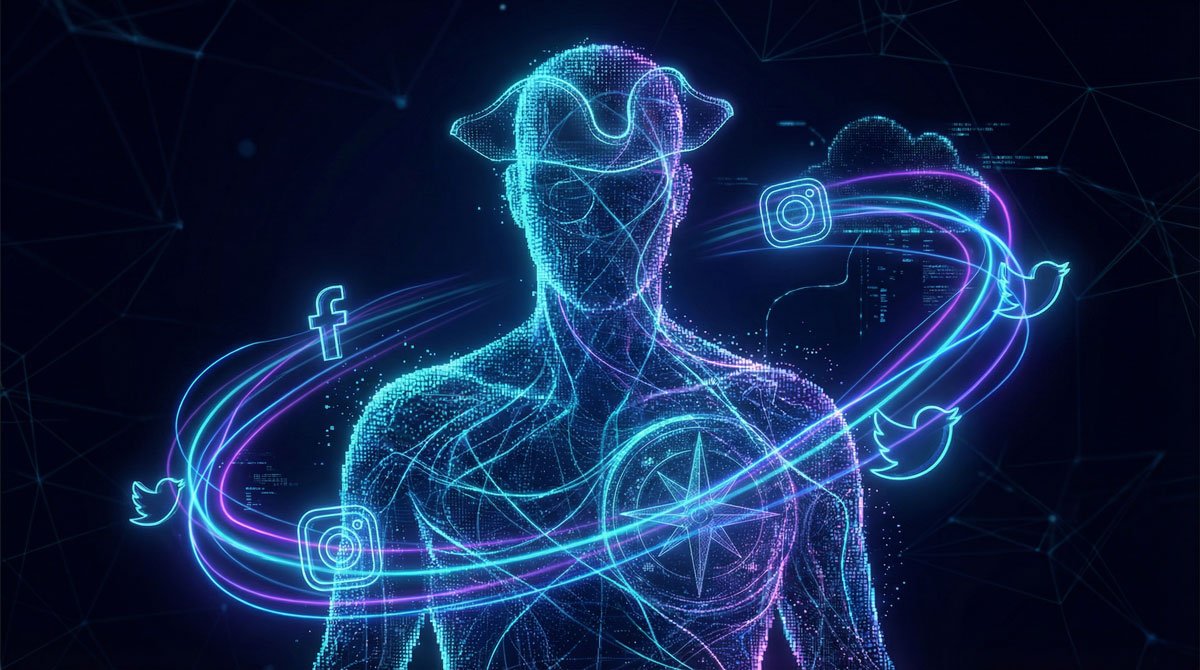
This article unravels that mystery. We will dive deep into the origins of the Jack Şoparov phenomenon, separating fact from digital folklore. You will discover the truth behind this viral name, what it says about internet culture, and how community creativity can give birth to a legend.
The Jack Şoparov case is particularly fascinating because it sits at the intersection of several important trends. It involves the globalization of culture, the democratization of content creation, and the challenges of navigating truth in an age of abundant information. By examining this phenomenon closely, we gain insights not just into one viral meme, but into the very nature of how culture evolves in the digital age.
Who Is Jack Şoparov? Separating Fact from Fiction
Let’s clear the air immediately. Jack Şoparov is not a real person. He is a viral meme character, a fascinating piece of digital folklore born from Turkish-speaking internet communities. The name is a playful, localized reinterpretation of Captain Jack Sparrow, the iconic hero from the Pirates of the Caribbean franchise.
The confusion arises from how the internet works today. The name “Şoparov” itself is a clever linguistic twist. It combines the familiar “Jack” with a surname that feels plausible in Eastern European or Turkic regions, thanks to the “ş” character and “-ov” suffix. This simple change was enough to create a new, distinct online entity.
So why do so many websites present him as a real figure in vastly different fields? The answer lies in automated content generation and SEO (Search Engine Optimization) strategies. When a search term like “Jack Şoparov” starts trending, content farms often generate articles to capture that traffic. These articles, often written by AI, create fictional backstories, positioning him as an industry leader, an artist, or a digital icon to rank on Google. This unintentionally deepens the myth, making the line between meme and reality even harder to see.
| Website Category | Portrayed Identity | Why This Narrative Exists |
|---|---|---|
| Business/Industry | An innovative and visionary leader | To capture search traffic related to business and leadership keywords. |
| Art/Culture | A boundary-pushing contemporary artist | To align with the creative and often artistic nature of memes. |
| Digital/Tech | A viral digital icon or personal brand | This narrative is closest to the truth, framing him as an internet phenomenon. |
| Entertainment | A rival pirate to Jack Sparrow | A direct, fan-fiction-style expansion of the original meme concept. |
The Origins of the Jack Şoparov Meme: From Captain Sparrow to Turkish Folklore
The Jack Şoparov meme didn’t emerge from a single source. It grew organically, like a digital seed planted in the fertile ground of Turkish internet culture. Its roots trace back to platforms like TikTok, Instagram, and Twitter, where creative users began re-editing scenes from Pirates of the Caribbean.
This practice, known as cultural remixing, is a cornerstone of modern meme culture. Creators took familiar clips of Captain Jack Sparrow and infused them with a distinct Turkish flavor. They replaced the original soundtrack with Turkish folk music, placed him in Turkish coastal settings like Bodrum or Antalya, and added humorous captions in Turkish. The phenomenon was driven by hashtags like #mizah (humor), #komikvideolar (funny videos), and #komikpaylaşımlar (funny posts).
This wasn’t just about a simple name change. It was a complete cultural re-imagining. The character of Jack Şoparov became a communal creation, with each new video or image adding another layer to his evolving persona. He was no longer just a Hollywood pirate; he was a local legend, a familiar rogue who felt like he belonged to the community that created him.
Why Turkish Internet Culture Embraced This Character
The enthusiastic adoption of Jack Şoparov speaks volumes about Turkish internet culture. It reflects a playful and creative spirit, where humor is often used to connect with global trends on a local level. The appeal lies in the joy of seeing a worldwide icon transformed to reflect a unique national identity.
By localizing Captain Jack Sparrow, Turkish creators made him their own. This act of cultural appropriation is not malicious but celebratory. It’s a way for a community to participate in global conversations while showcasing its own wit and cultural references. The result is a character that is both universally recognizable and intimately familiar.
The Turkish online community has long been known for its vibrant and irreverent sense of humor. From satirical news sites to elaborate pranks, Turkish netizens have consistently demonstrated a talent for blending global trends with local sensibilities. This cultural context made the country fertile ground for the Jack Şoparov meme to take root and flourish.
Moreover, the timing was perfect. As social media platforms became increasingly central to daily life in Turkey, a new generation of creators emerged. These individuals were fluent in both global pop culture and their own rich cultural heritage. They saw an opportunity to bridge these worlds, creating content that was both universally relatable and distinctly Turkish. Jack Şoparov became a vehicle for this creative expression.

Why Jack Şoparov Captured the Internet’s Imagination
The viral spread of Jack Şoparov is a perfect case study in modern meme mechanics. Its success hinges on a powerful formula: the combination of the familiar with the novel. Audiences were already deeply familiar with Captain Jack Sparrow, so the introduction of a new, humorous twist immediately grabbed their attention.
The mystery surrounding his identity also fueled the fire. As different narratives emerged, the ambiguity itself became a topic of conversation. People started asking, “Who is this guy?” This curiosity drove them to search, share, and create more content, accelerating the meme’s spread. The confusion wasn’t a bug; it was a feature of its virality.
Furthermore, the participatory nature of the meme was crucial. Jack Şoparov wasn’t a static character owned by a corporation. He was an open-source legend that anyone could contribute to. This sense of community ownership fostered a loyal following and encouraged a constant stream of new, creative content, keeping the phenomenon alive and evolving.
| Viral Element | Description | Impact on Spread |
|---|---|---|
| Recognizable Base | Built on the globally famous Captain Jack Sparrow. | Provided instant familiarity and a low barrier to entry for audiences. |
| Cultural Twist | Infused with Turkish linguistic and cultural elements. | Created strong local relatability and a sense of community ownership. |
| Mystery Factor | The ambiguous and conflicting identities sparked curiosity. | Drove search traffic, engagement, and user-generated content. |
| Remixability | The concept was easy for others to adapt and build upon. | Encouraged widespread community participation and content creation. |
| Cross-Platform Nature | Spread across TikTok, Instagram, Twitter, and blogs. | Ensured a wide and diverse reach across different online ecosystems. |
The Psychology Behind Viral Memes: Why We Share
Understanding why Jack Şoparov went viral requires a deeper look at the psychology of sharing. Research in social psychology has identified several key motivators that drive people to share content online. These include the desire for social connection, the need for self-expression, and the pursuit of social validation.
Jack Şoparov tapped into all of these motivators. Sharing a Jack Şoparov meme allowed people to signal their membership in a community that appreciated clever humor and cultural remixing. It was a way to say, “I get it,” and to connect with others who shared that understanding. This sense of belonging is a powerful force in online communities.
The meme also provided an opportunity for creative self-expression. By creating their own versions or adding their own commentary, users could put their personal stamp on the phenomenon. This wasn’t just consumption; it was co-creation. And in a digital landscape often dominated by passive scrolling, the chance to actively participate is deeply appealing.
Jack Şoparov as Digital Folklore: When Memes Become Modern Mythology
The story of Jack Şoparov is more than just a passing trend; it’s a prime example of modern digital folklore. In the past, myths and legends were passed down through oral traditions. Today, they are born and spread through clicks, shares, and remixes on the internet.
Digital folklore refers to the body of creative works and cultural traditions that circulate online. Like traditional folklore, it is created and shared by a community, often anonymously and organically. Jack Şoparov fits this description perfectly. He is a collective creation, a character whose story is written by thousands of people, each adding their own small contribution.
This phenomenon highlights a fascinating aspect of our digital age: the blurring of lines between fiction and reality. As the Jack Şoparov meme spread, search engines began to pick up on the increased traffic. This is where the story took another turn, thanks to the “SEO content farm effect.”
The SEO Content Farm Effect
SEO content farms are websites that mass-produce articles to rank for trending keywords. They often use AI to generate content quickly, with little regard for accuracy. When “Jack Şoparov” became a popular search term, these sites flooded the internet with articles portraying him as a real person—a CEO, an artist, a tech guru.
This had a powerful effect. It amplified the confusion and lent a false sense of legitimacy to the fictional character. Search engines, designed to provide relevant information, inadvertently helped perpetuate the myth by indexing and ranking these fabricated stories. This cycle demonstrates how easily myths can be manufactured and spread in the modern information ecosystem.

Jack Şoparov in Context: Similar Viral Characters and Memes
To fully understand the Jack Şoparov phenomenon, it helps to place it in the broader context of internet culture. He is not the first viral character to capture the public’s imagination, and he won’t be the last. By comparing him to other internet legends, we can see common patterns and understand what makes some memes more enduring than others.
Characters like Slenderman, which started as a creepypasta (internet horror story), or Pepe the Frog, which evolved from a comic character into a complex political symbol, show the power of community storytelling. However, Jack Şoparov’s origin as a cultural remix of an existing global icon makes him unique. He represents a specific type of meme that thrives on localization and cultural reinterpretation.
The lifecycle of these phenomena often depends on their ability to adapt and remain relevant. While some, like Ugandan Knuckles, burn brightly for a short time before fading, others become ingrained in the cultural lexicon. The future of Jack Şoparov will depend on whether the community continues to find new and creative ways to tell his story.
| Phenomenon | Origin | Type | Longevity | Cultural Impact |
|---|---|---|---|---|
| Jack Şoparov | Turkish meme (2024-2025) | Character Remix | Emerging | Primarily regional, with some global curiosity. |
| Slenderman | Creepypasta forum (2009) | Original Horror Fiction | Long-term | Global, leading to games, films, and real-world events. |
| Pepe the Frog | Comic character (2005) | Image Macro / Symbol | Long-term | Global, with significant political and cultural shifts. |
| Ugandan Knuckles | VRChat meme (2018) | Character Remix | Short-term | Global but faded quickly after its peak. |
What the Jack Şoparov Phenomenon Teaches Us About Digital Culture
The story of Jack Şoparov is more than just an amusing internet anecdote. It offers profound insights into the nature of modern digital culture. It reveals a world where creativity is decentralized, and storytelling is a collaborative act. No longer are cultural icons solely created by large corporations; they can now emerge from the collective imagination of online communities.
This phenomenon highlights the powerful intersection of global and local cultures. It shows how communities can take a global product and reshape it to reflect their own identity, humor, and values. This process of cultural remixing is a defining feature of the internet age, demonstrating a shift from passive consumption to active participation in media.
However, the Jack Şoparov story also serves as a cautionary tale about information literacy. It underscores how easily misinformation can spread and how algorithms can amplify falsehoods. In an era of AI-generated content and viral trends, the ability to critically evaluate sources and distinguish fact from fiction has never been more important.
Consider how this phenomenon challenges traditional notions of intellectual property and authorship. In the past, characters like Captain Jack Sparrow were tightly controlled by studios and corporations. Today, the internet allows for a more democratic form of creativity, where anyone with a smartphone can contribute to a character’s evolving story. This shift represents a fundamental change in how culture is created and shared.
The Jack Şoparov story also demonstrates the importance of adaptability in the digital age. Successful memes are not rigid; they evolve based on community feedback and changing trends. This organic evolution is what keeps them relevant and engaging over time. It’s a lesson that applies not just to memes, but to brands, movements, and ideas in general.
Another key insight is the role of mystery and ambiguity in driving engagement. The conflicting narratives around Jack Şoparov didn’t hurt the meme; they enhanced it. People love a good mystery, and the internet provides endless opportunities for detective work and speculation. This dynamic turns passive consumers into active participants, deepening their investment in the story.
The Real Pirates Behind the Legend: From Jack Sparrow to Jack Şoparov
To appreciate the full creative journey, it’s worth looking at the original inspiration. The character of Captain Jack Sparrow, masterfully portrayed by Johnny Depp, was himself inspired by a blend of rock stars and historical figures. His creation was not born in a vacuum.
Many historians believe that one of the real-life inspirations for pirates of that era was John Ward, an English pirate from the early 17th century. Known as “Jack Birdy,” Ward was a notorious privateer who later became a corsair for the Ottoman Empire. His life was a mix of rebellion, adventure, and cultural crossover, much like the fictional pirates he inspired.
This creates a fascinating chain of cultural transmission. A real-life English pirate in the Ottoman Empire inspires a Hollywood blockbuster character, who in turn inspires a Turkish internet meme. Jack Şoparov is the latest link in this long chain, a testament to how stories and characters evolve as they pass through different cultures and mediums.
John Ward’s transformation from English privateer to Ottoman corsair is a story worth exploring in more detail. Born around 1553, Ward began his career as a fisherman before turning to piracy in his fifties. His success was remarkable, and he eventually settled in Tunis, where he converted to Islam and took the name Yusuf Reis. His palace became legendary, filled with treasures from across the Mediterranean.
Ward’s story resonates with themes that are central to the Jack Şoparov meme: cultural crossing, reinvention, and the creation of a larger-than-life persona. Just as Ward transformed himself from an English sailor into an Ottoman corsair, the internet transformed Captain Jack Sparrow into Jack Şoparov. Both stories involve a journey across cultural boundaries, resulting in something entirely new.
This historical connection adds depth to the meme. It reminds us that the practice of cultural adaptation and reinvention is not new. What has changed is the speed and scale at which these transformations can occur. Where Ward’s legend took years to spread through word of mouth, Jack Şoparov’s story circled the globe in a matter of weeks.
Frequently Asked Questions About Jack Şoparov
- 1. Is Jack Şoparov a real person?
- No, Jack Şoparov is not a real person. He is a fictional character created as an internet meme. He originated in Turkish-speaking online communities as a playful reinterpretation of Captain Jack Sparrow from the Pirates of the Caribbean franchise. There are no verified biographical records, official documentation, or credible sources confirming his existence as a real individual.
- 2. Where did the name Jack Şoparov come from?
- The name is a creative linguistic blend designed to give the familiar character a Turkish twist. “Şoparov” combines the Turkish letter “ş” (which produces a “sh” sound) with a Slavic-sounding suffix “-ov” commonly found in Eastern European and Turkic surnames. This combination gives the name an authentic regional feel while maintaining a clear connection to “Sparrow,” making it both humorous and culturally resonant.
- 3. Why do some websites claim Jack Şoparov is an industry leader or artist?
- This confusion is due to a phenomenon called “SEO content farming.” When the name started trending in search engines, automated websites and AI-powered content generators created articles with fictional backstories to attract search traffic and advertising revenue. These sites have no regard for accuracy and inadvertently contributed to the confusion by presenting Jack Şoparov as a real person in various professional fields.
- 4. Is Jack Şoparov related to Pirates of the Caribbean?
- He is directly inspired by Captain Jack Sparrow from the Pirates of the Caribbean franchise but is not an official character within that universe. Jack Şoparov is a fan-created, unofficial parody that exists purely within internet culture and user-generated content. He has no connection to Disney or the official Pirates of the Caribbean intellectual property.
- 5. How did Jack Şoparov become so popular?
- His popularity stems from a perfect combination of factors: the global familiarity of the original Captain Jack Sparrow character, the humor and creativity of the cultural remix, the mystery and confusion surrounding his identity, and the ease with which others could create and share their own versions of the meme. The participatory nature of the phenomenon encouraged widespread community engagement.
- 6. What does Jack Şoparov mean for internet culture?
- He is a perfect example of “digital folklore,” demonstrating how communities can collectively create and share stories in the modern age. The phenomenon highlights both the creative potential of internet culture and the challenges of misinformation in the digital era. It shows how easily myths can be created and spread through social media and search engines, emphasizing the importance of digital literacy.
- 7. Can I create my own Jack Şoparov content?
- Yes, absolutely. The character is a product of participatory culture, and his story is constantly being written and rewritten by the community. Creating your own memes, videos, artwork, or stories is part of what keeps the phenomenon alive and evolving. However, be mindful of copyright considerations regarding the original Pirates of the Caribbean content when creating derivative works.
Conclusion: The Enduring Mystery of Jack Şoparov
In the end, Jack Şoparov is more than just a name or a meme. He is a reflection of our times—a symbol of how creativity, identity, and reality are negotiated in the digital age. He embodies the playful, chaotic, and collaborative spirit of the internet, where a global icon can be lovingly remixed into a local legend overnight.
The phenomenon teaches us that stories are no longer static. They are fluid, constantly evolving entities shaped by the communities that embrace them. While the mystery of who Jack Şoparov is has been solved, the larger implications of his existence remain. He stands as a fascinating monument to the power of digital folklore and the endless creativity of internet culture.
For content creators, marketers, and anyone interested in digital culture, the Jack Şoparov phenomenon offers valuable lessons. It shows that authenticity and community engagement matter more than polished production values. It demonstrates that mystery and ambiguity can be assets rather than liabilities. And it proves that the most powerful stories are often those that invite participation rather than demand passive consumption.
Looking ahead, we can expect to see more phenomena like Jack Şoparov emerge. As global and local cultures continue to intersect online, the opportunities for creative remixing will only multiply. The key will be to approach these phenomena with curiosity and critical thinking, appreciating their creativity while remaining aware of their constructed nature.
As we move forward in an increasingly connected world, we are sure to see more figures like Jack Şoparov emerge. They are the new myths, the new legends, born not around a campfire, but from the collective glow of millions of screens. And in their stories, we find a vibrant and ever-changing portrait of ourselves.