The doorbell rings earlier than expected. Someone’s already brought wine. The oven is preheating, the dishwasher is half-full, and you suddenly remember the fridge has been making that strange clicking noise all week. This is usually how it goes. Entertaining at home is meant to feel warm and spontaneous, but the kitchen often turns into the quiet source of stress once guests arrive.
Most of us don’t think much about our kitchen appliances until we’re relying on all of them at once. Hosting has a way of revealing small issues that stay hidden during everyday routines. A dinner party or holiday gathering doesn’t require a showroom kitchen, but it does demand that the basics work smoothly, without surprises.
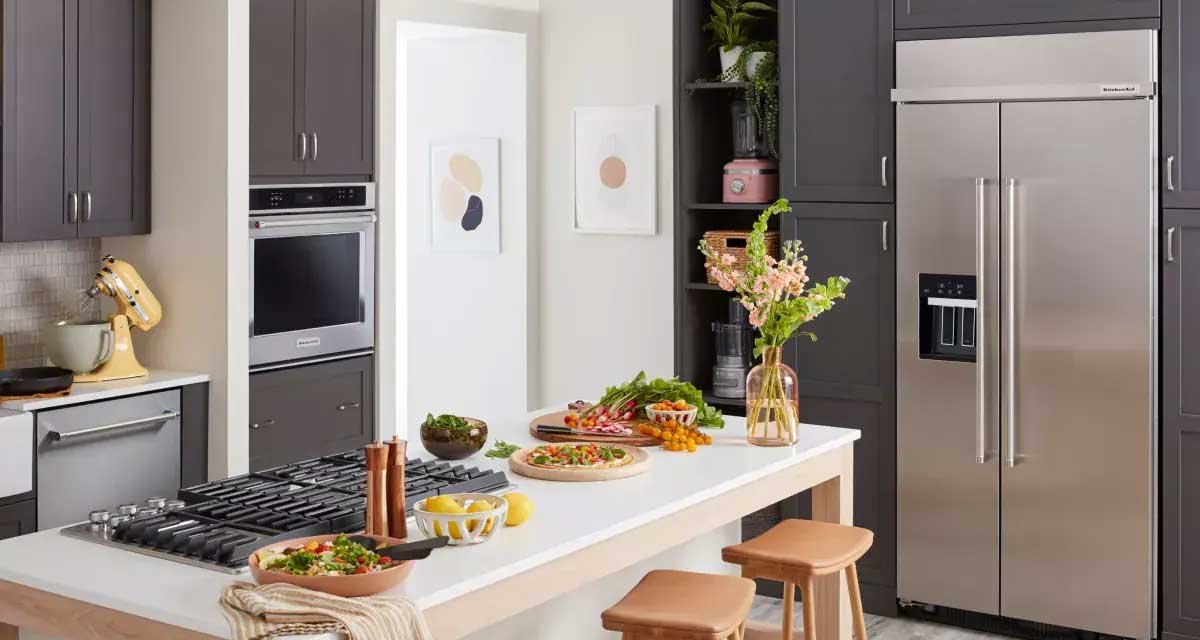
Why kitchens become stress points during entertaining
On a normal weekday, appliances operate in a predictable rhythm. One load of dishes. One pot on the stove. The fridge opened a few times an hour. Entertaining changes that pace entirely, says Bokani Real Estate Group.
Suddenly, the oven runs for hours instead of minutes. The refrigerator door opens constantly. The dishwasher gets pushed beyond its usual capacity. Multiple burners are in use, sometimes with mismatched cookware. Even small kitchens can handle a crowd, but only if everything is working close to its best.
The pressure isn’t just mechanical. When something stalls or malfunctions mid-party, it pulls attention away from guests and into problem-solving mode. You’re Googling error codes while trying to refill glasses. That’s not the energy most hosts want.
Common appliance failures that show up when hosting
Certain problems tend to appear precisely when people are over. It’s not bad luck it’s load and timing.
Refrigerators struggle when they’re overfilled or opened too often. A fridge that seems fine day-to-day may have trouble maintaining temperature once it’s packed with platters, drinks, and leftovers.
Ovens reveal uneven heating issues during larger meals. A roast that cooks too fast on one side or takes far longer than expected often points to temperature calibration problems that go unnoticed with simpler cooking.
Dishwashers get louder, slower, or stop draining when they’re overloaded. During parties, plates go in quickly, sometimes without scraping or spacing, which can clog filters and stress pumps.
Garbage disposals also tend to fail during gatherings. More food waste, less patience, and the occasional “just push it through” moment can lead to jams.
Technicians often note that appliances rarely break at random. They fail under stress, heavy use, rushed loading, and skipped maintenance.
How to prep appliances before guests arrive
You don’t need a full inspection before every dinner party, but a few habits can prevent most hosting-related issues.
“Most appliance issues during gatherings aren’t sudden failures but existing problems exposed by heavier use, which is why small checks before guests arrive can prevent last-minute disruptions,” notes the team at Best Solution Appliance Repair.
A day or two before entertaining, clear unnecessary items from the fridge. Giving cold air room to circulate helps maintain temperature when guests start opening it constantly. If drinks are involved, chilling them early reduces last-minute fridge overload.
Run the dishwasher empty or lightly loaded before guests arrive. This clears filters and ensures you’re starting with a clean machine that drains properly. If it’s been making noise or leaving residue on glasses, this is often when it shows.
Test the oven temperature if you’re planning a larger meal. An inexpensive oven thermometer can reveal whether it’s running hotter or cooler than the dial suggests. Adjusting early saves stress later.
Empty the garbage disposal area and run cold water through it. This sounds basic, but it’s one of the most common last-minute failures during hosting.
Appliance maintenance doesn’t need to be technical. It’s mostly about clearing, cleaning, and checking.
Small habits that make a big difference during parties
Some of the best hosting habits are subtle and practical.
Avoid stacking dishes in the sink during the party. A clear sink gives you flexibility if you need to rinse something quickly or wash a serving dish mid-event.
Keep one burner free if possible. It’s helpful for reheating or improvising without rearranging everything.
Use the dishwasher strategically. Running it once early in the evening can free up space and reduce the end-of-night pileup. Many modern machines handle partial loads well, as long as they’re loaded properly.
Designate one area of the fridge for guests. This reduces door-opening time and helps maintain consistent temperature for food that matters.
One overlooked issue technicians mention is power load. Using multiple high-energy appliances at once like oven, microwave, kettle, dishwasher can trip breakers in older homes. Spacing usage slightly can prevent sudden shutdowns.
When to fix vs. when to replace
Hosting tends to highlight ongoing appliance issues that are easy to ignore. The question after the guests leave is often whether to fix something or finally let it go.
If an appliance works but struggles under load, maintenance is usually worth it. Cleaning, replacing seals, or recalibrating temperatures can extend life significantly.
Repeated failures during normal use are a different story. A fridge that can’t maintain temperature or a dishwasher that frequently won’t drain is likely costing more in stress than repair is worth.
Age matters, but so does reliability. Some older appliances perform well with simple upkeep, while newer ones can be finicky if poorly installed or overloaded.
A practical rule: if a problem interrupts hosting more than once, it deserves attention. Entertaining isn’t the time you want to discover limits.
The quiet role of appliance maintenance in good hosting
Good hosting often looks effortless, but it’s supported by preparation most guests never notice. Clean glasses, hot food, cold drinks, and a calm host all rely on a kitchen that can handle pressure.
Appliance maintenance doesn’t make a home more stylish, but it does make it more livable. It allows hosts to stay present instead of troubleshooting.
Entertaining at home is about connection, not perfection. When the kitchen works smoothly in the background, conversations last longer, meals unfold naturally, and small mishaps don’t turn into major disruptions.
A party-ready kitchen isn’t about having the newest appliances. It’s about knowing their limits, caring for them lightly, and setting yourself up for fewer surprises. That kind of preparation buys something every host values: peace of mind.