Atlanta’s skyline tells a story of explosive growth. The city’s population surged by over 20% between 2000 and 2020, creating unprecedented demand for construction expertise. This boom demanded more than just concrete and steel. It required a new breed of construction leader—one who could balance technical precision with human insight.
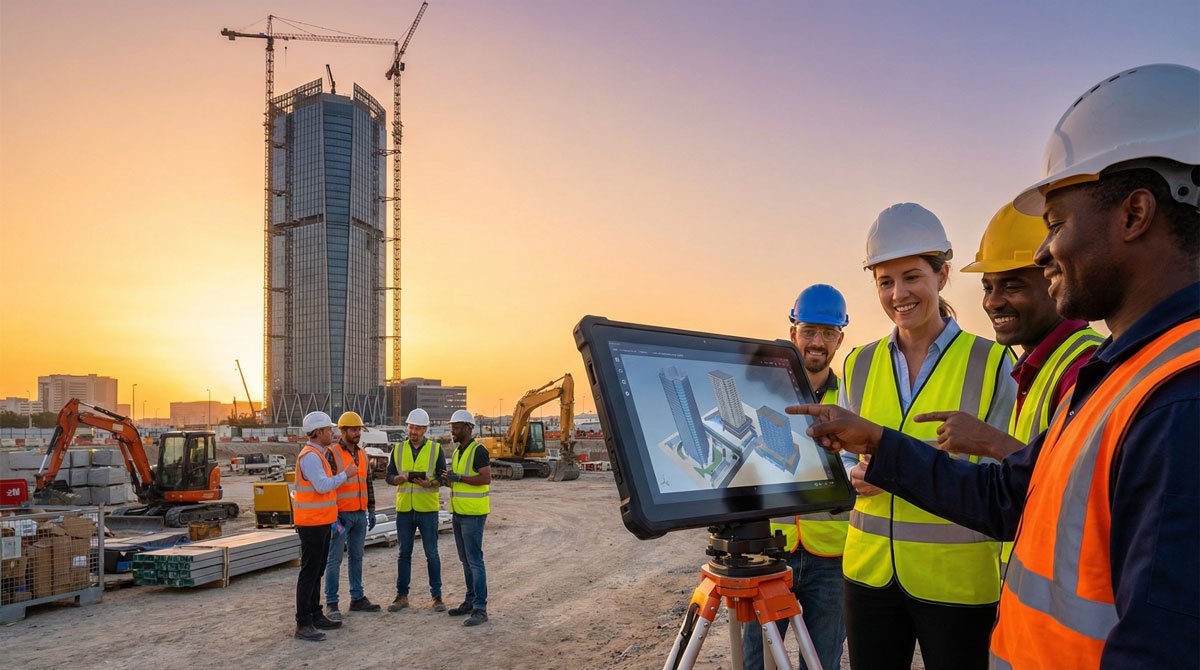
From Auburn to Atlanta: The Making of a Construction Leader
Kirk Gerndt’s journey began not on a construction site, but in the classrooms of Auburn University. Armed with a degree in civil engineering, he stepped into the professional world with a robust technical foundation. In September 1997, he joined Brasfield & Gorrie, a firm that was already a respected name in the industry. He has remained there ever since.
This decision to stay and grow with one company is a testament to his loyalty and the company’s culture. In an industry known for high turnover, Gerndt’s 27-year tenure is remarkable. He steadily climbed the ranks, moving from hands-on technical roles to his current position as a Project Director. This journey gave him a 360-degree view of the construction process.
Today, he operates at the helm of major projects, steering them from conception to completion. His work is set against the backdrop of Brasfield & Gorrie’s impressive scale. The company ranks #21 among America’s top 400 contractors and is the #1 healthcare builder in the nation. This context underscores the magnitude of the projects Kirk Gerndt leads.
Modern Construction Leadership: The Kirk Gerndt Framework
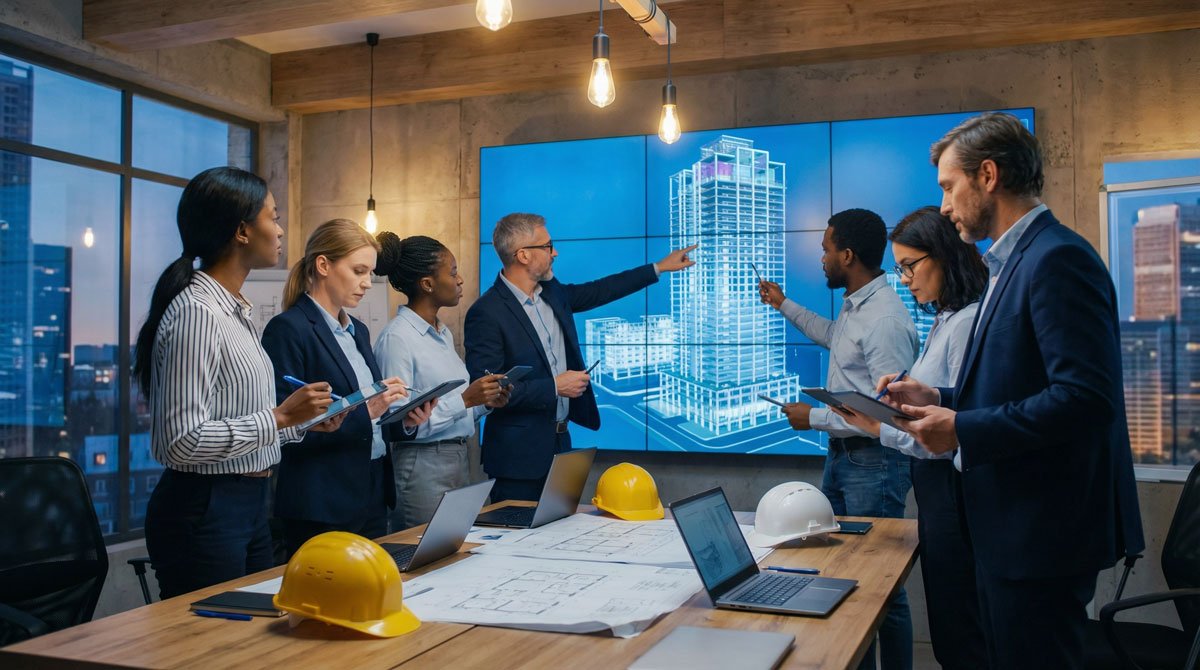
Kirk Gerndt’s success isn’t accidental. It’s a framework—a repeatable system built on decades of experience. It combines technical mastery with a profound understanding of people. This framework is what sets him, and his projects, apart.
Technical Precision Meets Human Leadership
In construction, you often find two types of leaders. The technical expert who lives in the blueprints. And the people-person who excels at motivation. Kirk Gerndt is a rare hybrid. His civil engineering background gives him an unshakable technical fluency. He speaks the language of structural mechanics and material science.
But he pairs this with a deep empathy for the people executing the work. He understands that a project’s success hinges on the team’s morale and cohesion. This dual-focus allows him to make sound technical decisions while fostering a collaborative environment. It’s a powerful combination.
Value Engineering: Turning Constraints Into Competitive Advantage
Value engineering is more than just cutting costs. It’s about optimizing value. Kirk Gerndt treats it as a creative challenge. He doesn’t just accept design specifications; he interrogates them. He looks for smarter materials, more efficient systems, and innovative construction methods.
The results are tangible. This approach can save clients upwards of $200,000 on a single project. It’s about delivering the same, or better, quality for less. This transforms a project constraint into a significant competitive advantage. It builds trust and demonstrates a deep commitment to the client’s success.
Digital Transformation: BIM, IPD, and LEAN Construction
Kirk was an early champion of digital tools. He saw their potential long before they became industry buzzwords. He has masterfully integrated three key methodologies into his projects: Building Information Modeling (BIM), Integrated Project Delivery (IPD), and LEAN Construction principles.
BIM creates a 3D digital twin of the project. This allows teams to spot clashes and errors before they happen on site. The impact is staggering. Projects using BIM often see 20-40% fewer change orders. IPD brings all stakeholders—architects, engineers, and subcontractors—into a collaborative partnership from day one. LEAN principles focus on eliminating waste and maximizing efficiency.
Communication as Crisis Prevention
On a complex construction site, silence is dangerous. Issues that are ignored don’t disappear; they grow. Kirk Gerndt’s leadership style is built on a foundation of transparent communication. He fosters an environment where problems can be raised early and without fear of blame.
He is a master coordinator, ensuring that architects, clients, and on-site teams are always aligned. Colleagues describe him as calm under pressure. He listens first, processes the information, and then makes a decisive call. This approach doesn’t just solve crises. It prevents them from ever happening.
From Healthcare to High-Rise: Kirk’s Project Portfolio
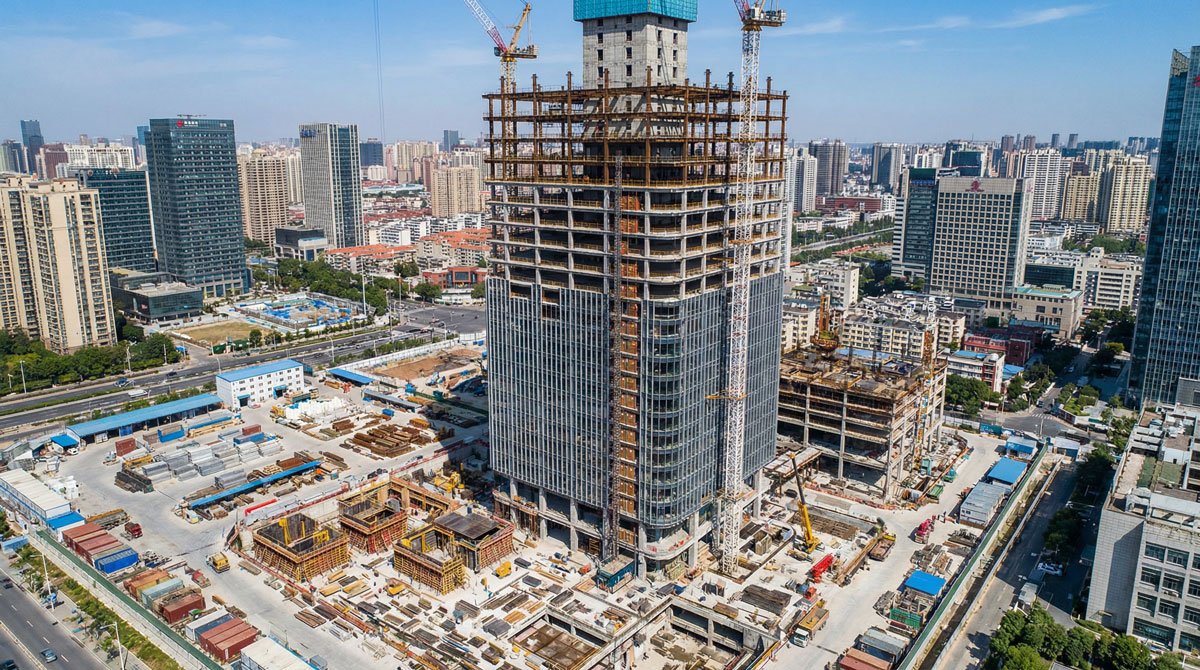
Theory is one thing. Execution is another. Kirk Gerndt’s leadership framework has been tested and proven across a diverse portfolio of complex projects. His impact is written in the steel and glass of the southeastern United States.
Sectors and Scale
Kirk’s expertise isn’t confined to a single niche. He navigates the unique demands of various sectors with ease. His portfolio includes state-of-the-art healthcare facilities, which require meticulous attention to technical specifications. He has led the construction of modern educational institutions and towering commercial high-rises.
His work has been instrumental in developing large-scale campus facilities. While his focus is primarily on the dynamic Atlanta market, his influence extends across the Southeast. Each project, regardless of scale, receives the same level of precision and commitment.
Handling Construction Challenges
No major construction project is without its challenges. Kirk’s career has been defined by his ability to navigate these complexities. He has faced supply chain disruptions, sourcing materials globally to keep projects on track. He has managed labor shortages through strategic workforce planning.
His leadership during the COVID-19 pandemic was a masterclass in crisis management. He implemented new safety protocols and adapted workflows to protect his team while maintaining project momentum. The following table illustrates his approach to common industry challenges:
| Challenge | Kirk Gerndt’s Solution |
|---|---|
| Supply Chain Disruptions | Proactive sourcing, vendor diversification, and strategic material stockpiling |
| Labor Shortages | Cross-training programs, investment in team development, and fostering positive work culture |
| Budget Overruns | Rigorous value engineering application and continuous cost monitoring |
| Safety Risks | Safety-first culture with zero tolerance for shortcuts and daily safety briefings |
| Timeline Delays | LEAN principles to eliminate waste, optimize schedules, and transparent stakeholder communication |
Atlanta’s Built Environment: Kirk’s Contribution
Brasfield & Gorrie established its Atlanta office in 1985, positioning itself to play a major role in the city’s future. Kirk Gerndt has been a key figure in realizing that vision. He has been on the front lines of Atlanta’s transformation, contributing to the city’s skyline during its most significant period of growth.
His projects are more than just buildings. They are hospitals where lives are saved, universities where minds are shaped, and offices where businesses thrive. They are integral parts of the city’s fabric. Kirk Gerndt hasn’t just built structures; he has helped build a city.
Empowerment, Integrity, and Sustainable Growth
What drives a leader who has already achieved so much? For Kirk Gerndt, it comes down to a deeply ingrained leadership philosophy. It’s not about personal accolades. It’s about building something that lasts—be it a structure, a team, or a legacy.
The Three Pillars of Kirk’s Leadership
His philosophy rests on three core pillars. The first is empowerment. Kirk believes in building leaders, not followers. He trusts his team members, giving them the autonomy to make decisions and take ownership of their work. This fosters a culture of accountability and innovation.
The second pillar is integrity. In an industry where cutting corners can be tempting, Kirk’s commitment to ethical practices is unwavering. His decisions are transparent, and his word is his bond. This builds a foundation of trust with clients, partners, and his team.
The final pillar is sustainable growth. He’s not interested in short-term wins that compromise long-term value. Every decision is weighed against its impact on the project’s lifecycle, the environment, and the community. This forward-thinking approach ensures that his projects stand the test of time.
Mentorship and Team Development
Perhaps Kirk Gerndt’s most significant impact is not in the structures he has built, but in the people he has developed. He is a dedicated mentor, investing his time and energy in the next generation of construction leaders. He identifies potential in young engineers and project managers and actively helps them grow.
This isn’t an informal process. It’s a structured approach to team development. The results are evident throughout Brasfield & Gorrie. Several of his former mentees now lead their own multimillion-dollar projects. This creates a powerful ripple effect, embedding his high standards and leadership principles deep within the organization’s DNA.
Work-Life Balance and Personal Discipline
Sustained excellence requires more than just professional skill. It requires personal discipline. Kirk’s day starts early, with quiet moments of reflection and planning. This sets a calm, focused tone for the day ahead. He understands that to lead others effectively, he must first lead himself.
He also champions the importance of work-life balance. He carves out time for his family, for exercise, and for mindfulness. He knows that burnout is the enemy of creativity and long-term effectiveness. This holistic approach to life and work is a cornerstone of his enduring success.
What’s Next: Kirk’s Vision for Construction Innovation
Leadership is not just about mastering the present; it’s about anticipating the future. Kirk Gerndt is constantly looking over the horizon, preparing for the next wave of change in the construction industry. His vision for the future is focused on leveraging technology, embracing sustainability, and evolving with the industry.
Emerging Technologies
Kirk sees technology as a powerful enabler. He is closely watching the rise of Artificial Intelligence and machine learning in project management. These tools can provide predictive analytics, helping teams to foresee potential issues and optimize schedules with even greater accuracy. He also sees immense potential in drone technology for site monitoring and automation for repetitive construction tasks.
Sustainability and Green Construction
For Kirk, the future of construction is green. He believes that environmental responsibility is not just a trend, but a fundamental aspect of good building practice. This means prioritizing energy-efficient designs, sourcing sustainable materials, and minimizing the environmental impact of construction activities. He sees this not as a cost, but as an investment in long-term value.
Industry Evolution
The construction industry is in a constant state of evolution. The workforce is changing, and new skills are in demand. Kirk understands that continuous learning is essential for any leader who wants to stay relevant. He is committed to balancing cutting-edge innovation with the proven methodologies that have stood the test of time. Through his ongoing mentorship, he is helping to shape a new generation of leaders who are ready for the challenges of tomorrow.
What Construction Leaders Can Learn From Kirk Gerndt
Kirk Gerndt’s career offers a blueprint for modern construction leadership. His journey provides invaluable lessons for anyone in the industry, from a recent graduate to a seasoned executive. These are not just theories, but field-tested principles for building success.
1. Lead with Purpose. Every project is more than a set of tasks. It’s a mission. A clear vision inspires a team to achieve extraordinary results.
2. Invest in People. True leaders don’t create followers; they cultivate other leaders. Mentorship and empowerment are the most powerful tools a leader has.
3. Embrace Technology Strategically. Don’t use technology for its own sake. Use it to enhance human creativity, improve coordination, and solve real-world problems.
4. Maintain Unwavering Integrity. Trust is the currency of leadership. Ethical decisions and transparent communication build a foundation that can withstand any pressure.
5. Stay Adaptable. The construction industry is in constant flux. The ability to anticipate change and remain flexible is crucial for survival and success.
6. Value Communication. Open, honest, and continuous dialogue is the best form of crisis prevention. It turns potential disasters into manageable challenges.
7. Balance the Technical and the Human. Lasting success in construction requires both. Technical precision ensures quality, while human-centered leadership ensures a motivated, cohesive team.
Frequently Asked Questions About Kirk Gerndt
Building a Legacy of Excellence
Kirk Gerndt’s career is more than a list of successful projects. It is a powerful narrative about the evolution of construction leadership. He has demonstrated that it is possible to build with both precision and purpose, to drive innovation while nurturing talent, and to achieve commercial success without sacrificing integrity.
His legacy is not just in the Atlanta skyline he helped shape. It is in the leaders he has mentored and the standards of excellence he has set. In an industry facing constant change, Kirk Gerndt’s framework provides a timeless blueprint for building not just structures, but a lasting impact. He proves that the most enduring legacies are built on a foundation of human values.